Who Was the God of Chinese Emperors?

heaven worship scenes in historical art, highlighting traditional Chinese rituals and cultural representations - Who Was the God of Chinese Emperors? 2026 - The China Journey
Chinese emperors didn't worship a Western-style god. Their power came from "Heaven" (Tian), a cosmic moral order guiding rule and legitimacy.
heaven worship scenes in historical art, highlighting traditional Chinese rituals and cultural representations - Who Was the God of Chinese Emperors? 2026 - The China Journey

Table of Contents

Question: Who Was the God of Chinese Emperors?

Quick Answer: Unlike in many Western monarchies, Chinese emperors did not worship a single personal deity like “God.” Instead, their authority came from a higher abstract force called “Tian” (Heaven)—a moral and cosmic principle central to Chinese political philosophy.

heaven worship scenes in historical art, highlighting traditional Chinese rituals and cultural representations - Who Was the God of Chinese Emperors? 2026 - The China Journey

1. “Heaven” (天 Tian) – Not a God, But a Supreme Principle

In traditional Chinese belief, Tian represents:

  • The natural order of the universe (like the changing seasons or the stars),

  • A moral authority overseeing human affairs.

It is not a personal god with a face or name, but a non-personified force that judges rulers by their virtue.

2. The Emperor as the “Son of Heaven” (天子)

Portraits of Kangxi and Qianlong emperors in the National Museum of China, showcasing royal attire and historical significance - Who Was the God of Chinese Emperors? 2026 - The China Journey

Chinese emperors were seen as the Son of Heaven (Tianzi), meaning:

  • They ruled on behalf of Heaven, not by divine birthright.

  • Their legitimacy depended on their moral conduct and ability to maintain peace and prosperity.

Common imperial phrases included:

  • Mandate of Heaven” (天命, Tiānmìng): If an emperor ruled unjustly, natural disasters or rebellion were seen as signs that Heaven had withdrawn its mandate.

  • Fengtian chengyun” (奉天承运): “By the mandate of Heaven, we act” — a phrase used in imperial edicts.

3. A Historical Shift: From Shangdi to Tian

In early China (Shang dynasty), rulers worshipped a high god called Shangdi (上帝), similar to a sky god or “Lord on High.”

By the Zhou dynasty, Tian replaced Shangdi as the central divine force:

  • Less like a person, more like a moral compass.

  • Still held absolute authority over kings and dynasties.

This shift helped legitimize the Zhou overthrow of the Shang by claiming the Mandate of Heaven had passed to them.
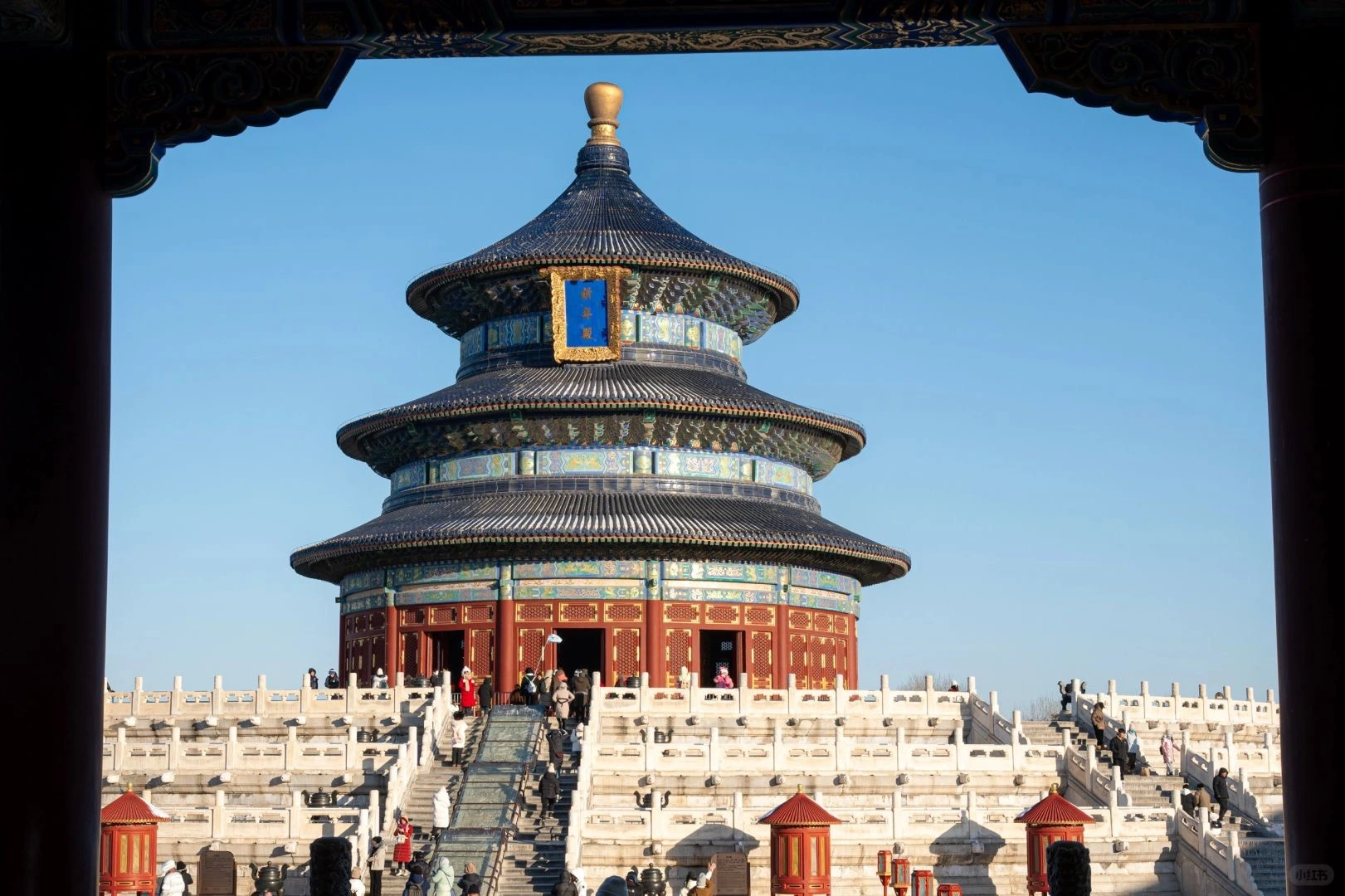
The Temple of Heaven in Beijing, China, showcasing traditional Chinese architecture and spiritual significance - Who Was the God of Chinese Emperors? 2026 - The China Journey

4. No Church, No Priesthood: Power Was Political

  • In Europe, kings often needed religious approval from institutions like the Church.

  • In China, emperors did not need clergy—they performed rituals themselves, such as:

This created a political-theological system, where the state and the sacred were unified—but without an organized religion.

5. How to Understand “Tian” in Western Terms

To help Western readers relate:

  • Tian ≠ God (not a personal being).

  • Tian = Natural Law + Moral Justice (think: karma, justice, cosmic balance).

When Chinese say “violates Heaven’s will,” they mean it breaks both natural order and ethical standards.

Final Summary: Not a God, But a Guiding Force
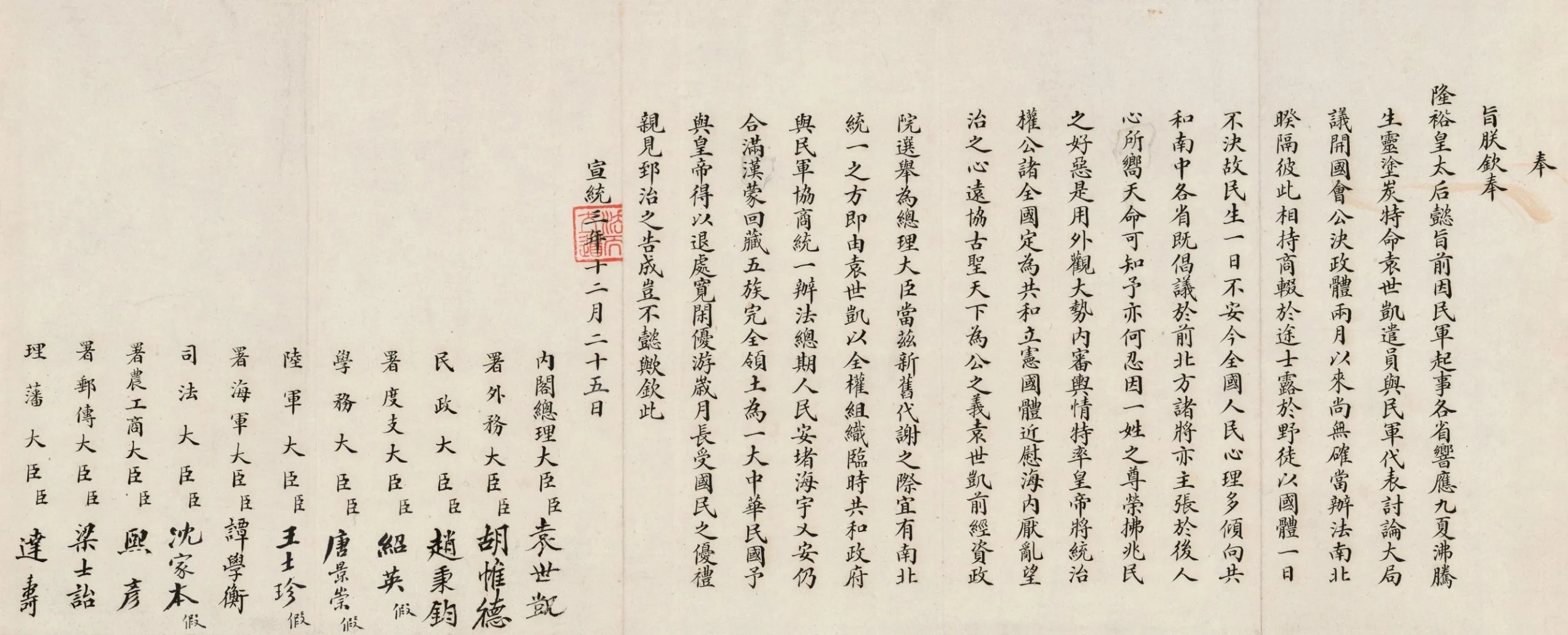
The Imperial Edict of Abdication of the Qing emperors on display at the National Museum, representing a significant moment in Chinese history - Who Was the God of Chinese Emperors? 2026 - The China Journey

The Chinese emperor did not serve a god in the Western sense. Instead, he answered to Heaven (Tian) — an impersonal cosmic force that demanded justice, harmony, and good governance.

Heaven gave the emperor his role, but could also take it away. This concept shaped over 2,000 years of Chinese dynastic rule, offering a unique blend of politics, morality, and cosmic legitimacy.

Interesting Articles for You

Statue of Qu Yuan – large monument honoring the patriotic poet linked to the origin of Zongzi and the Dragon Boat Festival. - Why do Chinese eat zongzi? 2026 - The China Journey
FAQs

Why do Chinese eat zongzi?

Chinese people eat zongzi to commemorate Qu Yuan, a patriotic poet from the Warring States period. Eating zongzi on the Dragon Boat Festival symbolizes remembrance, family unity, and cultural heritage.

happy tourists exploring city map diverse travelers sitting in park checking map and planning urban sightseeing route - Who Was the God of Chinese Emperors? 2026 - The China Journey

Plan Your China Trip with Our Experts

Share your travel ideas, and we’ll help you plan a smooth, personalized trip across China.

 
travelers planning route with map group of international tourists reading map outdoors with backpacks and guide - Who Was the God of Chinese Emperors? 2026 - The China Journey
happy tourists exploring city map diverse travelers sitting in park checking map and planning urban sightseeing route - Who Was the God of Chinese Emperors? 2026 - The China Journey

Plan Your China Trip with Our Experts

Share your travel ideas, and we’ll help you plan a smooth, personalized trip across China.

 
travelers planning route with map group of international tourists reading map outdoors with backpacks and guide - Who Was the God of Chinese Emperors? 2026 - The China Journey
happy tourists exploring city map diverse travelers sitting in park checking map and planning urban sightseeing route - Who Was the God of Chinese Emperors? 2026 - The China Journey

Work with Us as a Local Guide in China

travelers planning route with map group of international tourists reading map outdoors with backpacks and guide - Who Was the God of Chinese Emperors? 2026 - The China Journey

We’re looking for experienced, part-time local guides to serve international travelers.

Requirements:

• Fluent in at least one foreign language
• 3–5 years guiding international visitors
• Able to operate in multiple regions in China
• Competitive and reasonable pricing
• Proven customer reviews or testimonials
• Professional, reliable, and responsive
• Flexible availability for custom trips

Hi there!

Just a quick heads-up — a helpful user named Volker let me know that some of the non-English content on this site may not be accurate.

This site is a one-person project I run part-time. I research and publish all the content myself, and the translations are currently done by machine (Google Translate). Balancing accuracy and accessibility across multiple languages is a real challenge.

If you spot any errors, I recommend switching to the English version using the button at the bottom left. I’ll continue working to improve the translations over time.

I truly appreciate your understanding. And if you have any suggestions, feel free to leave a comment — it means a lot to me.

— Anthony 2025.6.18

Xian long image for popup form - Who Was the God of Chinese Emperors? 2026 - The China Journey

Planning a Trip to China?

Changzhou Skyline at Dusk The Changzhou skyline illuminated at dusk, with city lights reflecting on the water and buildings glowing in the evening light. - Who Was the God of Chinese Emperors? 2026 - The China Journey
Do any of these sound familiar from your past trips?
Let our trusted partner travel agency handle the details.
👉 Get a custom plan within your budget and enjoy the best of China — stress-free.