
 Written by
Anthony
When people think of China, images like Shaolin monks practicing kung fu, the flying apsaras of Dunhuang murals, or pilgrims praying to Guanyin on Mount Putuo often come to mind. These vivid cultural icons all have one thing in common: the deep influence of Chinese Buddhism.
More than just a religion, Buddhism in China is woven into the fabric of everyday life. It shapes architecture, art, festivals, and even daily habits. For travelers, gaining a basic understanding of Buddhism can add powerful meaning to your journey.

Chinese Buddhism is unique because it has evolved to reflect Chinese values. It blends Confucian ideas of respect and filial piety with Taoist beliefs in harmony with nature. Over time, it became more than spiritual practice—it became a way of life.
Seemingly simple customs like drinking Laba porridge in winter or visiting a temple during Spring Festival all trace back to Buddhist traditions. Learning about them is like holding a key—it unlocks a deeper, more authentic understanding of China, turning your trip from sightseeing into cultural insight.
Chinese Buddhism has evolved over nearly two millennia, blending deeply into the country’s social fabric, philosophy, and culture. Let’s explore how it took root, thrived, adapted, and revived across major historical periods:

During times of war and instability, people turned to Buddhism for comfort and spiritual meaning. Emperors like Northern Wei’s Xiaowen and Southern Liang’s Wu actively supported its spread, giving it a strong foundation in China.
Key Developments:
Scripture Translation Boom: Translator Kumārajīva moved to Chang’an and rendered 35 major texts (294 volumes), including The Diamond Sutra and Amitabha Sutra, in elegant and accessible Chinese—establishing the core of Han Chinese Buddhist literature.
Rise of Cave Art:
Yungang Grottoes (Shanxi): Commissioned by the Northern Wei court, these grand Buddhas reflect an “Emperor-as-Buddha” ideology.
Longmen Grottoes (Henan): Started in the Northern Wei, refined through the Tang, they show a blend of Indian and Chinese styles.
Maijishan Grottoes (Gansu): Famous for delicate clay sculptures with gentle expressions, earning the nickname “Eastern Venus.”
Early Temple Foundations:
Jiming Temple (Nanjing): Site of Liang Emperor Wu’s renunciation.
Lingyin Temple (Hangzhou): Founded during the Eastern Jin, still a revered sanctuary today.
Unified under the Sui and Tang, China experienced cultural and economic prosperity, with Buddhism reaching its artistic, doctrinal, and social peak.
Highlights:
Buddhist Schools Take Shape:
Major schools like Tiantai, Huayan, Yogachara (Weishi), Chan (Zen), Pure Land, and Esoteric (Tantric) Buddhism were formally established, transforming Buddhism from a foreign import into a Chinese belief system.
Legendary Pilgrimages & Translations:
Xuanzang’s journey to India (629–645) returned 657 scriptures. He spent 19 years translating them at Xi’an’s Daci’en Temple and founded the Yogachara school.
Yijing, sailing via the Maritime Silk Road, brought back 400+ texts focused on Buddhist monastic discipline.
Cultural Integration:
In poetry, figures like Wang Wei merged Buddhist themes with natural imagery.
In painting, Wu Daozi‘s dynamic murals set the standard for Buddhist art.
In architecture, pagodas like the Big Wild Goose Pagoda and Small Wild Goose Pagoda were built to house sacred scriptures.
A Period of Crisis: In 845 CE, Emperor Wuzong’s “Huichang Persecution” shut down 4,600 temples and forced monks into lay life. Esoteric Buddhism never fully recovered.
In later dynasties, Buddhism became less about empire and more about daily practice and inner cultivation.
Chan Buddhism (Zen) emphasized mindfulness in daily life. Phrases like “tea and Zen taste the same” reflect this harmony.
Pure Land Buddhism gained popularity for its simple practices like chanting Amitabha’s name.
Major schools: Linji and Caodong (Chan branches).
Famous sites: Kaiyuan Temple (Quanzhou), Nanhua Temple (Guangdong).
Yuan Dynasty:
Tibetan Buddhism rose in prominence with imperial support. Phagpa Lama became imperial teacher to Kublai Khan.
Landmark: White Dagoba (Miaoying Temple) in Beijing, a Tibetan-style stupa built during this period.
Han Buddhism revived. Emperor Yongle backed the massive Yongle Northern Canon, systematizing Buddhist texts.
The Four Sacred Mountains of Chinese Buddhism were firmly established:
Mount Wutai (Manjushri)
Mount Emei (Samantabhadra)
Mount Putuo (Guanyin)
Mount Jiuhua (Kṣitigarbha)
Tibetan Buddhism remained influential, especially at court. Temples like Yonghe Temple in Beijing hosted visiting lamas from Tibet and Mongolia.
Han Buddhism focused on a blend of Chan and Pure Land practices, with temples like Hanshan Temple (Suzhou) and Lingyin Temple (Hangzhou) drawing pilgrims.
Buddhism in modern China has faced intense challenges and remarkable resilience.
Republic Era (1912–1949):
New movements like Humanistic Buddhism emerged, led by reformers such as Master Taixu, advocating that Buddhism serve society.
In 1929, the Chinese Buddhist Association was formed to promote unity and education.
Temples like Jade Buddha Temple (Shanghai) and Qixia Temple (Nanjing) became centers of Buddhist learning.
People’s Republic Era:
1950s–60s: Key temples were repaired; scriptures were catalogued.
Cultural Revolution (1966–1976): Severe damage to Buddhist heritage—many statues destroyed, temples shuttered.
Since 1980s: Gradual recovery under improved religious policies.
Temples restored and reopened.
Sites like Yungang Grottoes, Longmen Grottoes, and Potala Palace listed as UNESCO World Heritage.
Buddhist arts like Shaolin martial arts and Tibetan Thangka paintings gained global attention.
Today:
According to Pew Research (2015), about 240 million Chinese identify with Buddhist culture, including ~20 million formally ordained or practicing Buddhists.
Han Buddhism remains most widespread, while Tibetan Buddhism is concentrated in Tibet, Qinghai, and Sichuan.
Buddhism in China isn’t just a religion—it’s a living part of the culture. When you travel around the country, you’ll notice Buddhist influences woven into temple layouts, statues, paintings, festivals, and even local dishes. Here’s how to recognize and appreciate them:
Chinese Buddhist temples follow a strict axial design that reflects harmony and cosmic order. Knowing the meaning behind each structure can turn your visit into a cultural deep dive.

(e.g., Shaolin Temple, Lingyin Temple):
Shanmen (Mountain Gate): The three entrances symbolize the “Three Gates to Liberation”—emptiness, formlessness, and non-action. Visitors walk through the side gates and avoid stepping on the threshold, which represents the Buddha’s shoulders.
Hall of Heavenly Kings: Inside, you’ll see the laughing Maitreya Buddha at the front, symbolizing abundance and joy. Behind him is Skanda (Weituo) with a vajra, guarding the Dharma. Flanking the hall are the Four Heavenly Kings, each representing favorable natural conditions—wind, rain, harmony, and prosperity.
Mahavira Hall (Main Hall): The core of the temple, usually housing Shakyamuni Buddha in the center. You might also see the Three Buddhas (Past: Dipankara, Present: Shakyamuni, Future: Maitreya) or his two key disciples Kasyapa and Ananda.
Sutra Library (Zangjing Ge 藏经阁): Two-story buildings that store sacred texts. Some are open to visitors—Shaolin’s showcases martial arts artifacts, while Lingyin’s holds an imperial copy of the Qianlong Canon.
Side Halls:
Guanyin Hall: Features Avalokitesvara (Guanyin) in forms like the Thousand-Armed or Child-Giving Guanyin, symbolizing mercy and compassion.
Kṣitigarbha Hall: Depicts Kṣitigarbha Bodhisattva, often flanked by the Ten Kings of Hell—reminders of karma and moral retribution.
Founder’s Hall: Honors the temple’s lineage patriarch, like Huineng in Chan temples.
(e.g., Potala Palace, Ta’er Monastery):

Architecture: Fortress-like buildings in red (power), white (purity), and yellow (wisdom), with gilded rooftops symbolizing divinity.
Main Complex:
Red Palace: Contains the golden stupa tombs of past Dalai Lamas.
White Palace: Former residential and administrative area.
Statues of the Yab-Yum (father-mother) represent the union of wisdom and compassion in esoteric practice.
Prayer Wheels: Spinning clockwise releases blessings from the scriptures inside—try it when you visit.
Prayer Flags: Printed with mantras like “Om Mani Padme Hum” and hung at mountain passes or temples. Each flutter in the wind is believed to spread prayers far and wide.
China’s Buddhist art spans dynasties and styles—from giant rock-cut Buddhas to intricate murals and hand-painted scrolls.
Must-See Stone Carvings:
Yungang Grottoes (Datong, Shanxi): Home to over 50,000 statues. Cave 5’s Shakyamuni towers 17 meters tall, while Cave 20 features a serene open-air Buddha.


Cave 320’s Flying Apsaras: Graceful figures without wings, representing freedom and auspiciousness.
Cave 158’s Nirvana Buddha: A serene depiction of Buddha’s final moment of liberation.
Murals of The Medicine Buddha Sutra and Vimalakirti Sutra use mineral pigments that remain vivid even after 1,000 years.

Other Artistic Expressions:
Thangka (Tibetan Buddhist Scroll Art): Hand-painted with ground minerals like turquoise, coral, and gold. Themes include Buddhas, mandalas, and sacred stories. The embroidered thangka from Ta’er Monastery is a national treasure.
Wall Murals: Notable examples include the “500 Arhats” at Lingyin Temple and the “Water-Moon Guanyin” at Beijing’s Fahai Temple.
Sculptures:
Maijishan Grottoes: Famous for clay statues with lifelike drapery.
Quanzhou’s Kaiyuan Temple: Its twin Song-dynasty stone pagodas are etched with Buddhist scenes.
Lama Temple (Yonghe Temple, Beijing): Houses a 26-meter tall Maitreya carved from a single piece of sandalwood.
Attending a Buddhist festival or ceremony can add a meaningful layer to your travels.

Chinese New Year (Lunar Jan 1):
Burning the First Incense: People queue before dawn to make the year’s first wish.
Hanshan Temple’s Bell Ceremony: 108 bell tolls symbolize releasing 108 worldly afflictions.
Laba Festival (Lunar Dec 8):
Marks Buddha’s Enlightenment. Temples serve Laba Porridge (a mix of grains, nuts, dates).
Free samples are given out at temples like Yonghe (Beijing) and Lingyin (Hangzhou).
Guanyin Celebrations:
Feb 19 (birth), June 19 (enlightenment), Sept 19 (renunciation) on the lunar calendar.
Popular temples: Mount Putuo, Nanhai Guanyin Temple. Offerings include “Guanyin Water” and fresh flowers.
Shoton Festival (Late Lunar June): Features giant thangka displays at Drepung Monastery, Tibetan opera, and yogurt feasts.
Saga Dawa (Lunar April 15): Honors Buddha’s birth, enlightenment, and death. Pilgrims circumambulate Jokhang Temple in Lhasa and avoid killing animals.
Morning/Evening Chanting: Monks recite sutras from 5–7 AM and 6–8 PM. Visitors may observe in temples like Shaolin or Lingyin (with prior approval).
Taking Refuge Ceremony: The formal step to becoming a Buddhist, led by a master monk.
Empowerment Ritual (Tibetan): Grants permission to practice certain esoteric teachings—usually closed to outsiders.
Buddhist vegetarian food is more than just meatless—it’s spiritual, creative, and deeply symbolic.

In Mahayana Buddhism, monks follow strict vegetarian diets to honor the vow of non-harming. In Tibetan and Theravada traditions, rules vary by region, but pork and dog meat are universally avoided.
Shaolin Temple (“Xiangji Kitchen”)—Henan:
Luohan Stew: A hearty mix of mushrooms and root veggies.
Vegetarian Ham: Smoked tofu skin wrapped around mushroom fillings.
Robe Rolls: Tofu-skin rolls symbolizing the robe of Bodhidharma.
Lingyin Temple—Hangzhou:
Vegetarian Goose: Bean curd sheets stuffed with mushrooms and bamboo shoots.
Imitation Crab Roe: Mashed potato with ginger vinegar mimicking crab meat.
Laba Porridge: Special dish for Laba Festival, rich in grains and beans.
Mount Putuo:
Seafood-style Vegetarian Dishes: Made with kelp, konjac, and seaweed—like “mock abalone” or “mock squid.”
Dining Etiquette:
Finish your plate: Waste is frowned upon—Buddhism teaches gratitude and contentment.
Avoid talking about meat, alcohol, or smoking at the table.
Behind China’s rich Buddhist legacy stands the quiet, enduring strength of its monastic community. From the daily discipline of monks and nuns to the painstaking translation of sacred texts, it’s the human element—study, devotion, and teaching—that has carried Buddhism across centuries.

Ordination in Chinese Buddhism is a serious spiritual commitment:
Entry Requirements: Candidates must be at least 18 years old, voluntarily renounce worldly life, receive family consent, and pass temple screening.
Tonsure Ritual: The head is shaved to symbolize detachment from worldly desires.
Monastic Robes: Han Chinese monks typically wear yellow, grey, or brown robes, while Tibetan monks wear red or maroon.
Śrāmaṇera (Novice): Open to individuals 7+ years old, requires observing 10 basic precepts.
Bhikṣu (Fully Ordained Monk): For those 20+, requires adherence to 250 precepts covering moral, behavioral, and disciplinary codes.
Bodhisattva Precepts: Voluntary vows taken by monks and laypeople alike, symbolizing a commitment to compassion and enlightenment for all beings.
Morning & Evening Chants: Days begin at dawn with scripture recitation and end with evening liturgy.
Meditation & Labor: Monks alternate between seated meditation, study, and physical work—such as gardening or temple maintenance. At Shaolin Temple, this also includes martial arts.
Precepts & Conduct: Monastics observe the Five Precepts (no killing, stealing, sexual misconduct, lying, or intoxicants), with Han monks also abstaining from meat and personal wealth.
This rhythm of discipline and simplicity builds the foundation of Buddhist teaching and community life.

Chinese Buddhism owes much to key figures who journeyed far, translated tirelessly, and spread the Dharma across borders:
Xuanzang (Tang Dynasty):
The most celebrated monk in Chinese history, he journeyed along the Silk Road to India for 17 years (AD 629–645), bringing back 657 volumes of scriptures. At Da Ci’en Temple in Chang’an (modern Xi’an), he translated texts and founded the Yogācāra school. His travels inspired the classic novel Journey to the West. The Giant Wild Goose Pagoda was built to store his translations—now a major heritage site.
Yijing (Tang Dynasty):
Sailed the Maritime Silk Road, spending 25 years in India and Southeast Asia. He returned with over 400 scriptures, especially enriching the Vinaya (disciplinary texts) and promoting Pure Land teachings.
Jianzhen (Tang Dynasty):
Attempted six sea voyages to Japan, finally succeeding and founding Tōshōdai-ji in Nara. He transmitted Chinese Buddhist rituals and architecture, deeply influencing Japanese Buddhism and culture.
Phagpa (Yuan Dynasty):
A Tibetan Lama of the Sakya school, he became imperial preceptor to Kublai Khan. He created the Phagpa script to unify written communication and facilitated the spread of Tibetan Buddhism into central China, strengthening ties between Tibet and the Yuan court.
Master Taixu (Republican Era):
A modern reformer, he pioneered the concept of “Humanistic Buddhism”—emphasizing ethical engagement and social service. He founded the Wuchang Buddhist Academy and inspired contemporary movements to make Buddhism relevant in modern society.
These figures embody the bridge between spiritual pursuit and cultural innovation.

From ancient India to Chinese temples, Buddhist scriptures traveled across deserts, seas, and dynasties—thanks to the devotion of monks, scribes, and scholars.
Translation Movements:
The Golden Age of Translation (3rd to 7th century) saw the likes of Kumārajīva, Xuanzang, and Yijing translate Sanskrit sutras into classical Chinese.
These translators standardized terms like bodhi (enlightenment) and nirvana, making texts accessible to Chinese audiences and preserving teachings in a uniquely Chinese form.
Copying and Printing:
Before the Tang dynasty, scriptures were hand-copied—many such manuscripts were found in the Mogao Caves of Dunhuang.
With the invention of woodblock printing during the Tang era, texts like the Diamond Sutra (AD 868) became the world’s first printed books.
Movable type printing in the Song Dynasty further spread Buddhist texts, including massive collections like the Tripitaka (Complete Buddhist Canon).
Oral Transmission:
In Chan Buddhism, the phrase “no reliance on words” emphasized direct mind-to-mind transmission. Masters like Huineng passed teachings orally in spontaneous dialogue and koans.
In Pure Land Buddhism, oral chanting of Amitabha Buddha’s name made the practice accessible even to the illiterate, emphasizing faith and repetition over study.
Together, monastic discipline, spiritual pioneers, and the transmission of sacred texts formed the backbone of Chinese Buddhism—allowing its philosophies to be practiced, preserved, and passed down for over 1,800 years.
Where Faith, History, and Art Converge
Exploring China’s Buddhist heritage is like walking through a living museum of devotion and artistry. From ancient temples that witnessed the faith’s arrival to mountain sanctuaries where pilgrims still gather, these sites capture Buddhism’s thousand‑year journey across China’s landscape and spirit.

Often called the “Cradle of Chinese Buddhism,” White Horse Temple was China’s first officially built monastery (AD 68). Legend says two monks brought scriptures from India on white horses — now immortalized in marble statues at the gate. Inside, explore the ancient Tang‑era steles and the International Shrine Complex, featuring Thai, Indian, and Burmese‑style temples that illustrate Buddhism’s global connections.

Birthplace of Chan (Zen) Buddhism and the world‑famous Shaolin Kung Fu, this mountain temple fuses meditation with martial discipline. Watch live monk performances (10:30 AM / 11:30 AM), stroll through the Pagoda Forest of 248 stone stupas, and hike the Sanhuang Village Trail for dramatic cliff views. A must‑visit for travelers drawn to the “Zen + Kung Fu” experience.
A UNESCO World Heritage Site and the artistic pinnacle of Tang‑dynasty Buddhist sculpture. The 17‑meter Vairocana Buddha, funded by Empress Wu Zetian, glows golden at sunset — the best time to visit. Don’t miss Binyang Cave and Fengxian Temple. AR headsets (¥30) allow visitors to see digital restorations of lost carvings.
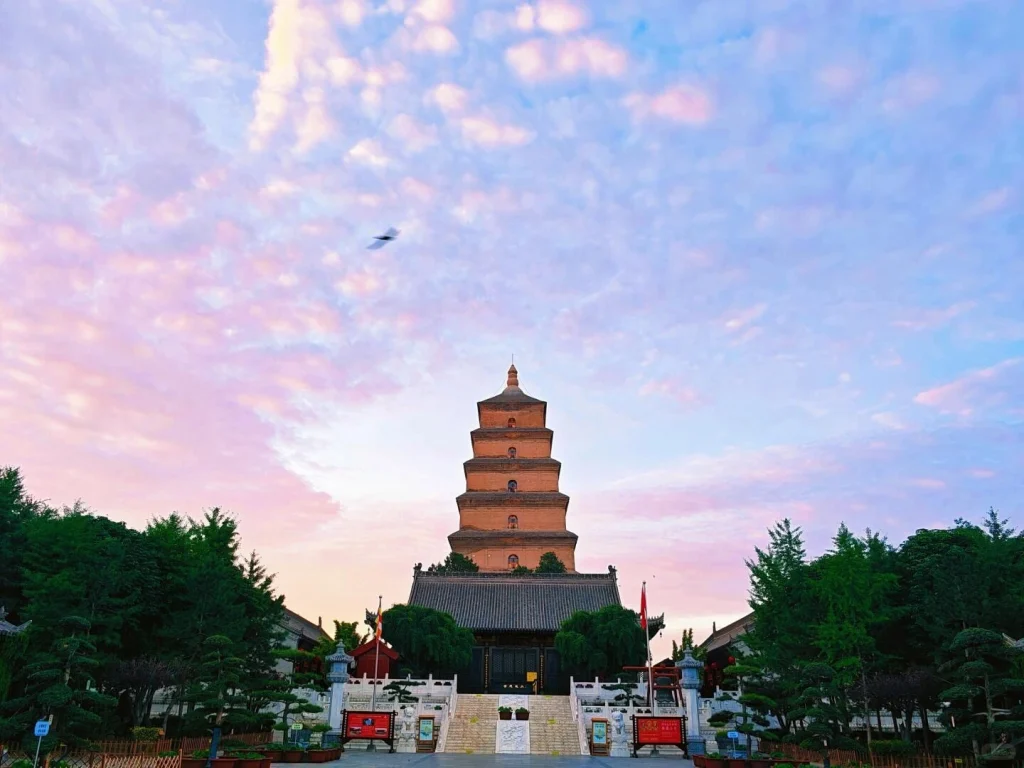
Built to store scriptures brought back by Xuanzang after his 17‑year pilgrimage to India. The 64.5‑meter pagoda dominates Xi’an’s skyline and symbolizes the great age of translation and scholarship. Inside the temple, the Xuanzang Memorial Hall retraces his Silk Road journey — perfect for travelers interested in Buddhist philosophy and history.

Nestled in misty mountains near West Lake, Lingyin (“Temple of the Soul’s Retreat”) is one of China’s oldest and most visited temples. Its Feilai Feng Grottoes feature over 300 Song‑dynasty carvings of Maitreya and Avalokiteśvara. Light incense, listen to temple bells, and join locals praying for peace. Nearby Yongfu Temple is known for exquisite vegetarian dishes.

One of China’s Four Sacred Buddhist Mountains, dedicated to Guanyin (the Bodhisattva of Compassion). Accessible by ferry, the island’s highlights include the 33‑meter South Sea Guanyin Statue, Puji Temple, and Purple Bamboo Hermitage, said to be Guanyin’s practice site. The island blends ocean vistas with quiet devotion — ideal for meditation and retreat.

Founded in the Sui Dynasty, this is the cradle of the Tiantai School, based on the Lotus Sutra. Don’t miss the thousand‑year‑old Sui Dynasty Plum Tree and Tang‑era stone inscriptions. Combine your visit with a short trek to Shiliang Waterfall to experience the harmony of nature and spirituality.

Famed from Tang poet Zhang Ji’s verse — “The bell of Hanshan Temple rings at midnight” — this riverside temple blends poetry with devotion. On New Year’s Eve, the temple’s bell is struck 108 times to “clear away 108 troubles,” a tradition open to visitors seeking blessings for the coming year.

Perched 3,700 meters above sea level, the Potala Palace is both a political and spiritual symbol of Tibetan Buddhism. Built by King Songtsen Gampo and expanded under the Qing emperors, it houses golden stupas of past Dalai Lamas in the Red Palace and living quarters in the White Palace. Advance reservation (7 days ahead) is required.

The holiest site in Tibet, home to the life‑sized statue of 12‑year‑old Shakyamuni Buddha brought by Princess Wencheng from Tang China. Join pilgrims making clockwise circuits (kora) along Barkhor Street, spinning prayer wheels and murmuring mantras — an unforgettable immersion into Tibetan devotion.

One of the six great monasteries of the Gelug (Yellow Hat) sect, famed for its Three Art Wonders: butter sculptures, wall paintings, and embroidered appliqués (Tibetan Tangka). Visit during the Lantern Festival for the dazzling Butter Sculpture Exhibition, where monks display intricate scenes crafted from colored yak butter.

The heart of Chinese Theravāda Buddhism, showcasing golden spires and palm‑lined courtyards in Dai architectural style. At dawn, monks collect alms barefoot through the village streets — visitors may observe silently to appreciate the region’s living Buddhist traditions.

A UNESCO World Heritage Site with 735 caves and 45,000 m² of murals — a thousand years of Buddhist art carved into desert cliffs. Don’t miss Cave 96’s Nine‑Story Pagoda, Cave 320’s Flying Apsaras, and Cave 158’s Parinirvana Buddha. Tickets require advance booking (up to a month ahead). Combine your visit with nearby Mingsha Sand Dunes and Crescent Moon Lake.

Known as the “Oriental Sculpture Gallery,” these 221 caves house over 10,000 clay statues — serene, lifelike figures clinging to a red‑sandstone cliff. The graceful Smiling Bodhisattvas reflect Tang‑style elegance and spiritual calm. Wooden walkways make this one of China’s most photogenic grotto sites.

The earliest of China’s great grotto complexes, carved under the Northern Wei Dynasty. Its 53 caves and 51,000 statues showcase the shift from Indian to Chinese styles. The 17‑meter seated Buddha in Cave 5 and the open‑air Buddha in Cave 20 are highlights of early Buddhist imperial art.
Visiting Buddhist temples in China offers a window into centuries of spiritual tradition. But to truly appreciate the experience — and avoid causing unintentional offense — it’s important to follow proper etiquette. Here’s a simple guide to help you show respect and travel mindfully.

Avoid shorts, mini skirts, sleeveless tops, or low-cut clothing. Knees and shoulders should be covered.
Wear closed-toe shoes or bring a shawl or long pants if needed.
In Tibetan temples, avoid bright, flashy colors that may distract from the sacred atmosphere.
Keep your voice low; no shouting or running.
Never touch Buddha statues, murals, or prayer flags — these are sacred.
Don’t joke with monks or ask personal questions like “Why did you become a monk?”
Refrain from pointing at people or objects, especially with your feet.
Always look for signs — most indoor halls and Buddha statues prohibit photography.
Flash is strictly discouraged to protect delicate artworks.
Monks should not be photographed without permission.
In Tibetan temples, do not photograph Sky Burial sites, Stupas, or certain deities (e.g., Yab-Yum statues), which are considered taboo.

Light incense outside at designated burners, not inside halls.
Three sticks is standard — representing the “Three Jewels” of Buddhism: the Buddha, the Dharma (teachings), and the Sangha (monastic community).
Insert incense gently into the burner. Do not toss it or light overly large sticks; sincerity matters more than size.
In Tibetan temples, butter lamps are used instead. Use a ladle to pour yak butter — never with your hands.
Stand with palms together (gassho), hollow in the center, and raise hands to chest level.
Silently make your wish — focus on kindness and gratitude rather than personal gain.
Bowing is common in Han temples. Kneeling is optional. In Tibetan temples, full prostration is practiced — if you choose to join, follow respectfully without exaggeration.
Donation boxes are clearly marked and entirely voluntary — any amount is appreciated.
In Tibetan temples, you may be offered a khata (ceremonial scarf) after donating. Accept it with both hands, and wear it respectfully (around your neck or wrist). Never discard it casually.

In Han Chinese temples, monks are called “Shifu” (Master), regardless of gender.
In Tibetan monasteries, “Lama” is used for senior monks, and “Aka” (brother) for ordinary ones.
Avoid calling them “monk” or “nun” in English — it can sound impersonal or rude.
Don’t ask about their past, family, or why they chose monastic life.
Never touch a monk’s head — it’s sacred, especially in Tibetan Buddhism.
Always use two hands when offering or receiving something — a sign of deep respect.
Do not give alcohol, meat, tobacco, or cosmetics — all are prohibited by monastic rules.
Instead, offer books (especially translated Buddhist texts), pens, or clean supplies.
In Tibetan regions, butter, tea, or khatas are appropriate and appreciated.
| Situation | What to Do | What to Avoid |
|---|---|---|
| Entering a temple | Dress modestly, walk quietly | Wearing shorts, shouting, running |
| Seeing a Buddha statue | Bow, show respect | Touching or turning your back to it |
| Taking photos | Follow signs, ask permission | Using flash or photographing monks |
| Offering incense | Light 3 sticks, be sincere | Burning massive incense bundles |
| Speaking with monks | Be polite, use respectful titles | Asking private questions or joking |
While rooted in over two thousand years of tradition, Chinese Buddhism today is far from static. It continues to evolve — balancing ancient teachings with modern realities, engaging a new generation of followers, and facing challenges in a rapidly changing society.

China’s national Buddhist affairs are coordinated by the Buddhist Association of China, founded in 1953. All temples must register with religious authorities and follow state regulations, including ticket pricing, event reporting, and heritage preservation.
Most regular temple-goers are middle-aged or elderly, but younger people are increasingly drawn to Buddhism through cultural interests like Zen meditation, vegetarianism, or mindfulness retreats.
Han Buddhism is widespread across the country.
Tibetan Buddhism is concentrated in Tibet and Qinghai.
Theravāda Buddhism (Southern tradition) is mostly practiced in Yunnan.
Buddhism has entered the digital age. Many temples now run official websites or WeChat accounts.
Shaolin Temple streams kung fu performances online.
Lingyin Temple shares weekly posts on meditation, rituals, and Buddhist values.
The rise of “Digital Dharma” allows people to listen to sutras, join virtual Zen sessions, and participate in online charity events.
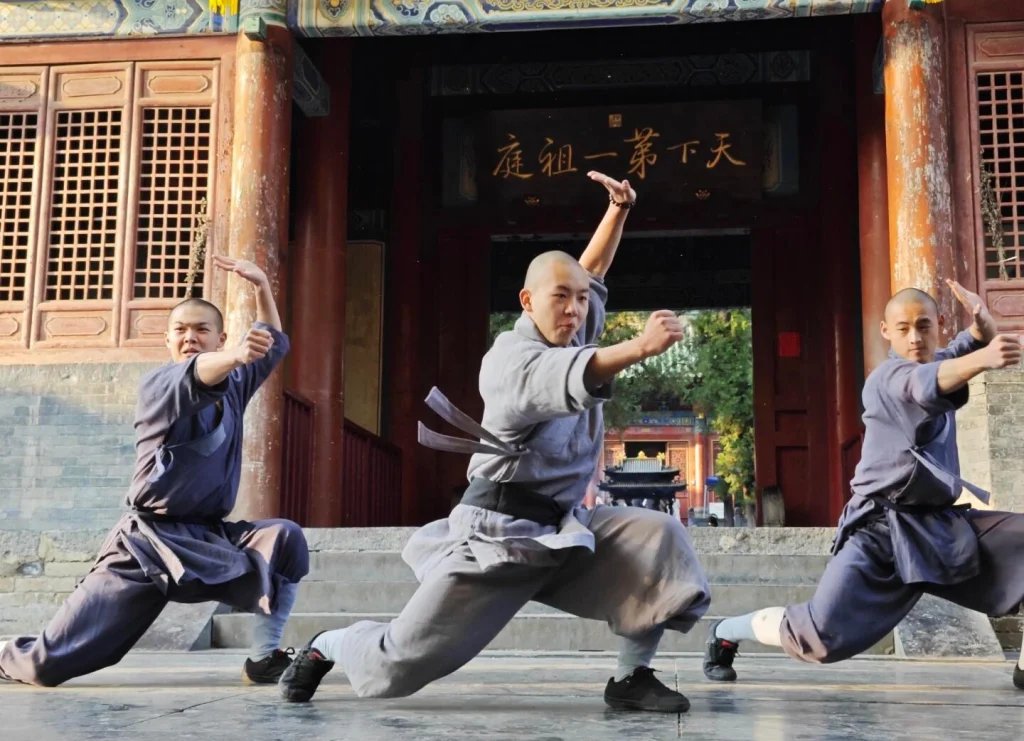
As tourism grows, some temples face criticism for excessive commercialization — expensive tickets, overpriced incense, or aggressive souvenir sales.
This raises the question: Is the spiritual essence of Buddhism being compromised?
Authorities are responding by capping admission prices and banning forced donations.
There is a shortage of young monks and nuns, and some Buddhist schools — especially those with complex doctrines like the Yogācāra (Consciousness-Only) or Esoteric Tantric traditions — struggle to attract successors.
Intangible heritage like Tibetan thangka painting or Buddhist music also relies on younger generations to carry it forward.
Chinese Buddhism is expanding abroad — Shaolin Temple has opened Zen centers worldwide, and Tibetan Buddhism has gained followers in Europe and North America.
However, this also brings cultural adaptation challenges, and rising competition from imported traditions like Japanese Zen or Thai Theravāda Buddhism.

Chinese temples are active in social work:
Education: Shaolin Temple sponsors orphaned children through its Charity Youth Academy.
Disaster relief: Lingyin Temple has donated to earthquake and flood relief efforts.
Elder care: Temples like Xiyuan Temple in Suzhou have built retirement homes.
Temples play a key role in protecting Buddhist heritage:
Helping restore Mogao Cave murals in Dunhuang
Preserving sacred relics like the golden stupas in the Potala Palace
Hosting workshops on thangka art and Buddhist music to keep these traditions alive
Aligned with the Buddhist principle of compassion for all living beings, many temples lead eco-friendly initiatives:
Organizing tree-planting drives and ethical animal release ceremonies
Promoting low-carbon lifestyles — such as banning single-use plastic on temple grounds
To truly grasp the depth and diversity of Chinese Buddhism, it helps to explore real-life examples. These case studies highlight how different traditions, artistic expressions, and modern practices embody the living spirit of Buddhism in China.
Pure Land Buddhism offers a straightforward path focused on faith and devotion. Practitioners chant the name of Amitabha Buddha, believing in rebirth in the Western Pure Land — a paradise free of suffering. This practice is ideal for laypeople who may not have time for deep meditation or scriptural study. A classic routine includes chanting the Buddha’s name a thousand times daily.
Recommended Site: Donglin Temple on Mount Lu, founded by Master Huiyuan, who created the White Lotus Society and promoted Pure Land practice. Visitors can join group chanting sessions.
Chan Buddhism (Zen) emphasizes direct insight into one’s nature through meditation and mindfulness. It discourages reliance on scriptures or rituals, favoring introspection and self-realization. Daily practice centers around zazen (sitting meditation) and koan study.
Recommended Site: Shaolin Temple, often considered the cradle of Chan Buddhism, where the story of Bodhidharma meditating in a cave became a symbol of Zen discipline. Tourists can join one-day Zen retreats with morning chanting, meditation, and kung fu sessions.
Carved over centuries into the limestone cliffs near Luoyang, the Longmen Grottoes represent the pinnacle of Tang Dynasty Buddhist art.
The most iconic sculpture is the Vairocana Buddha, funded by Empress Wu Zetian, who reportedly modeled the Buddha’s serene face after her own — a political move to elevate her divine status as China’s first and only female emperor.
Art styles here reflect the Tang aesthetic: full, compassionate faces, smooth flowing robes, and a balance of majesty and gentleness.
Cultural Insight: The Longmen Grottoes reveal how religion and politics were intertwined — rulers used Buddhist symbolism to assert legitimacy and divine authority. Today, the site offers a vivid look at how Buddhist art was shaped by power, devotion, and evolving taste.
Far beyond its legendary kung fu image, today’s Shaolin Temple is a vibrant monastic community that blends tradition with global outreach.
Daily Routine:
5:00 AM: Morning chanting and scripture reading
7:00 AM: Vegetarian breakfast
8:00 AM: Kung fu training (for warrior monks) or meditation (for scholarly monks)
12:00 PM: Lunch
2:00 PM: Dharma talks or visitor reception
6:00 PM: Evening chanting
9:00 PM: Lights out
Special Activities:
Daily kung fu shows (up to four per day in high season)
International martial arts tours
Public service like teaching Shaolin culture in schools
Visitor Experience: Guests can book a “Zen & Kung Fu Day Retreat”, including morning chanting, kung fu basics, and a traditional temple lunch — offering a rare glimpse into the rhythms of modern monastic life.
Whether you’re a traveler seeking cultural depth or a lifelong learner exploring Buddhist philosophy, Chinese Buddhism offers abundant resources. From beginner-friendly books to immersive temple experiences, here’s how to continue your journey.

A Short History of Chinese Buddhism by Fang Litian & Hua Fangtian: A concise, accessible overview of the development of Buddhism in China, available in English translation.
What Makes You Not a Buddhist by Dzongsar Jamyang Khyentse: A clear, modern introduction to core Buddhist principles, written in an approachable style by a Tibetan master.
Translated Classics
The Diamond Sutra (Vajracchedikā Prajñāpāramitā Sūtra), translated by Red Pine: Features insightful commentary and historical background, ideal for understanding Mahayana wisdom.
The Amitabha Sutra, translated by Emmon Carter: A key scripture of Pure Land Buddhism, presented in a readable English edition with cultural notes.

Official Platforms
China Buddhist Association Website: Offers news, temple updates, and policy overviews. Some sections are available in English.
Shaolin Temple Official Website: Hosts livestreams of kung fu shows, Zen courses, and booking options for retreats.
Academic Resources
Harvard Buddhist Studies Forum: Features lectures and research papers on Chinese Buddhism and related fields.
Dunhuang Academy Website: Explore high-resolution images of the Mogao Caves, research archives, and virtual cave tours — all with English navigation.
Multimedia
“Dunhuang” (CCTV Documentary): A visually rich, English-narrated exploration of the art and spiritual legacy of the Mogao Caves.
“Shaolin Temple” (1982 film): A martial arts classic that introduced global audiences to the unique fusion of Zen and kung fu culture.

Meditation Retreats
Shaolin Temple Zen Camps: Held in spring and autumn (1–7 days), combining meditation, kung fu basics, and temple living.
Lingyin Temple Weekend Retreats: Short-format meditation and Dharma sessions for curious beginners or busy travelers.
Cultural Festivals
Baima Temple Buddhist Culture Festival (Luoyang): Every April, features sutra chanting, calligraphy exhibitions, and Buddhist music performances.
Shoton Festival (Lhasa): Held in late summer on the Tibetan lunar calendar, this vibrant event includes Tibetan opera and giant Buddha thangka unveilings.
Volunteer Opportunities
Dunhuang Mural Conservation Volunteer Program: Short-term hands-on projects at the Dunhuang Research Academy, supporting the preservation of ancient Buddhist art. Applications are required in advance.

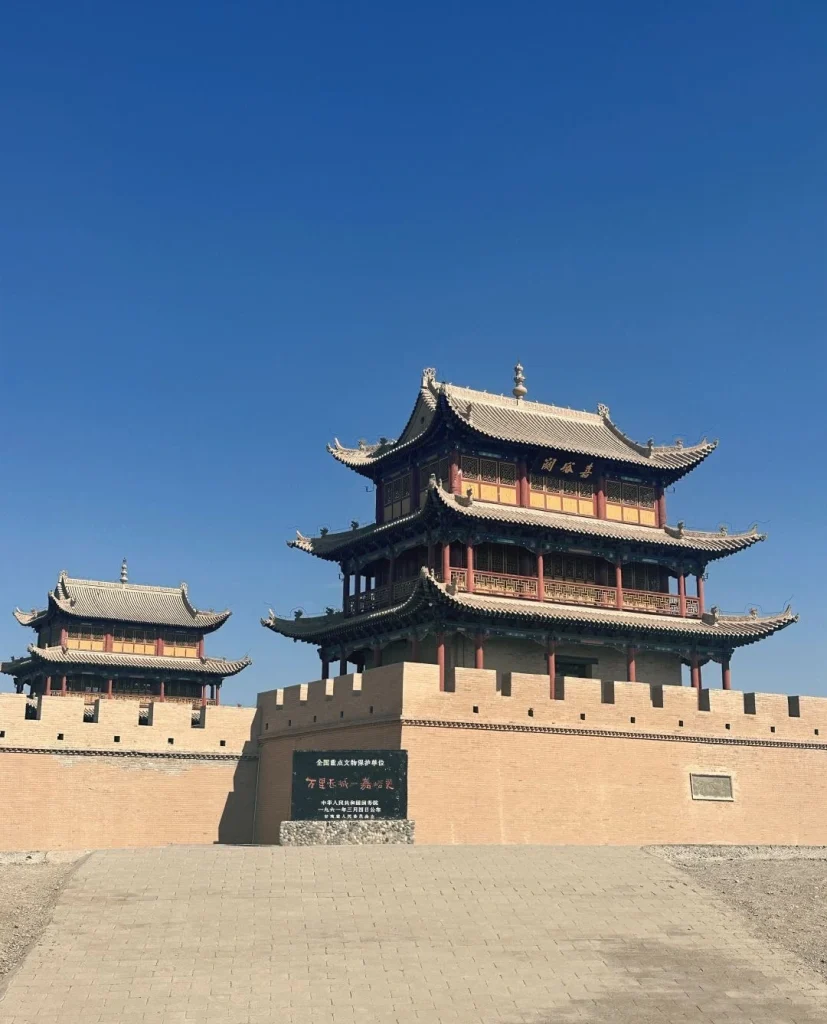
The Great Wall of China stretches from Hushan in the east to Jiayuguan in the west. Learn how its route changes across dynasties and geography.
Discover China’s major festivals and holidays—Spring Festival, Mid-Autumn, ethnic celebrations, and modern holidays—your guide to culture and travel timing.

A comprehensive 2026 zodiac forecast for people born in 1983, covering career, wealth, relationships, health, and practical guidance for steady progress.
Plan 4 days in Chongqing with city landmarks, mountain streets, night views, food, costs, hotels, side-trip choices, and practical tips.

Climbing Mount Tai typically takes between 3 to 8 hours, depending on the route, pace, and whether you hike, take a cable car, or combine both.

Discover Hangzhou’s blend of natural beauty, rich heritage, iconic landmarks, local cuisine, and modern attractions in this ultimate travel guide.

Share your travel ideas, and we’ll help you plan a smooth, personalized trip across China.

Share your travel ideas, and we’ll help you plan a smooth, personalized trip across China.
We’re looking for experienced, part-time local guides to serve international travelers.
Requirements:
• Fluent in at least one foreign language
• 3–5 years guiding international visitors
• Able to operate in multiple regions in China
• Competitive and reasonable pricing
• Proven customer reviews or testimonials
• Professional, reliable, and responsive
• Flexible availability for custom trips
Hi there!
Just a quick heads-up — a helpful user named Volker let me know that some of the non-English content on this site may not be accurate.
This site is a one-person project I run part-time. I research and publish all the content myself, and the translations are currently done by machine (Google Translate). Balancing accuracy and accessibility across multiple languages is a real challenge.
If you spot any errors, I recommend switching to the English version using the button at the bottom left. I’ll continue working to improve the translations over time.
I truly appreciate your understanding. And if you have any suggestions, feel free to leave a comment — it means a lot to me.
— Anthony 2025.6.18


