

Hainan is not a destination you understand through one capital city or one obvious center. For first-time visitors, the real question is usually not whether Hainan is worth visiting, but how to shape the island well — whether to focus on Sanya, add Haikou, bring in Wanning or Lingshui, extend to Qionghai or Bo’ao, or include a rainforest or cultural layer.
This guide helps you decide whether Hainan fits your travel style, which areas deserve priority, how many days you need, when to go, and the smartest way to enter and move around the island. Hainan is more than a beach-resort destination. Its appeal comes from the mix of tropical coast, different bay styles, surfing, rainforest, island food, and a more relaxed route structure.

Yes — Hainan is worth visiting, but it is not the best first choice for every first-time China traveler. Its strength is not one single city, but a mix of beaches, bays, tropical holiday rhythm, surfing, rainforest, seafood, winter sun, and relatively easy island transport. If you like coast, warm weather, relaxed pacing, tropical scenery, and resort- or island-style travel, Hainan can be a very strong choice. The key is to choose the right regional combination, not just add more stops.
| Field | Quick Take |
|---|---|
| Chinese name | Hainan (海南) |
| Capital | Haikou |
| Best first-time gateway | Sanya is often the strongest first-trip gateway for a beach-led route; Haikou is the more practical all-purpose entry for broader island planning |
| Best known for | Tropical bays, beach resorts, winter sun, surfing, seafood, rainforest, and relaxed island travel |
| Best trip length | 4–5 days for a classic first trip; 5–7 days for a more layered island route |
| Best time to visit | November to April is the most reliable overall; winter and early spring are especially strong |
| Best for | Travelers who want coast, warm weather, resort rhythm, family-friendly holidays, surfing, or a slower tropical China route |
| Travel style | Flights into Haikou or Sanya, high-speed island rail between main zones, road transfer for bays and scenic areas, bay-based stays, and theme-based island travel |

Hainan works as a mixed island destination rather than a one-city trip. It feels different from Guangdong, Fujian, Guangxi, Yunnan, or Zhejiang because its appeal comes less from one urban center or one cultural landmark and more from how tropical coast, resort rhythm, island transport, and selective nature-and-culture layers fit together. It is especially strong for travelers who want a more relaxed, warmer, and more island-shaped side of China without staying only in big cities.

Hainan is a strong match for travelers who want a coast-led trip with a lighter, slower rhythm than many mainland routes. It works best when you accept that the island is built around bays, weather, and regional contrast rather than dense sightseeing.
Good fit for…
Maybe not ideal if…

Hainan works best when you think in route roles, not in how many bays you can fit into one trip. For most first-time visitors, the strongest structure is one clear beach-and-resort core plus one contrast layer, not a full island sweep.
For a first Hainan trip, the most mature patterns are usually Sanya on its own, Sanya + Haikou, or Sanya + one selective east-coast add-on.
Hainan is not an island where every famous bay, scenic zone, and nature stop belongs in one first trip. For most first-time visitors, Sanya forms the clearest core, while Haikou, one east-coast add-on, and one selective nature or culture layer usually create a stronger route than trying to cover everything.
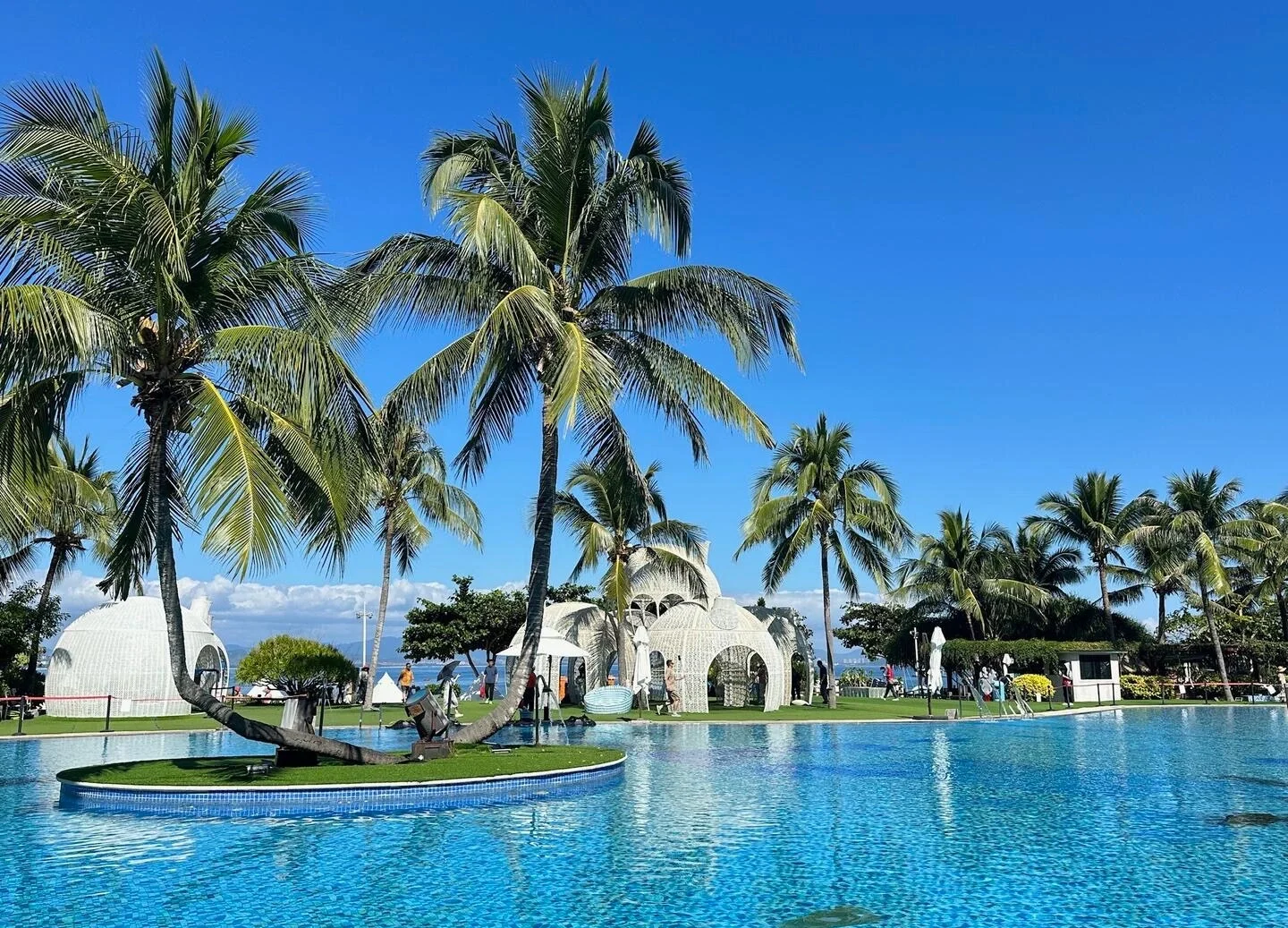
Sanya (三亚) is the strongest first-trip core in Hainan and the easiest place to anchor the island for a first visit. It is worth visiting for its warm-weather bay travel, mature resort infrastructure, beach rhythm, and broad appeal across couples, families, and relaxed first-time vacation travelers. In route terms, Sanya is usually the main base rather than a side stop. If your time is limited, this is the place most worth protecting, and it usually matters more than adding several secondary coastal stops elsewhere.

For many first-time visitors, these bays are best understood as different versions of the Sanya core rather than as separate destinations you must all collect. Yalong Bay (亚龙湾) is stronger for a polished resort feel, Dadonghai (大东海) is more convenient and lively, and Haitang Bay (海棠湾) leans larger-scale and more luxury-oriented. They suit different budgets and travel styles, but in route terms they are usually alternatives within the Sanya structure, not reasons to overbuild the trip.

Haikou (海口) is one of Hainan’s most useful support cities, but not always the emotional high point of the island. It is worth visiting for travelers who want old-street atmosphere, easier logistics, local food texture, and a broader sense of island life beyond resort bays. In route terms, Haikou works best as a gateway-plus-contrast layer rather than the main reason to choose Hainan. For many first-time visitors, it becomes most valuable once the Sanya core is already in place.

Qilou Old Street (骑楼老街) is one of the clearest reasons to give Haikou more than transfer value. It is worth visiting for its arcade architecture, slower walking atmosphere, and stronger sense of urban local life than most resort areas provide. It suits travelers who want food, photography, and a more lived-in side of Hainan. In route terms, it is a high-value city add-on rather than a stand-alone island anchor. If you include Haikou, this is usually one of the best places to prioritize there.

Wanning (万宁), especially Riyue Bay (日月湾), is one of Hainan’s strongest specialist coastal additions. It is worth visiting for surfing, a younger beach-town rhythm, and a more casual east-coast energy than Sanya’s more resort-shaped core. It suits surfers, younger travelers, and visitors who want a less polished but more lifestyle-driven coast. In route terms, it is a clear add-on, not a default first-trip requirement. On a short trip, it is easier to cut than Sanya or a broader Sanya + Haikou structure.

This side of Hainan is strong for travelers who want a more selective coastal line than the standard first-trip core. Lingshui (陵水) works well for quieter and often more upscale bay stays, Houhai (后海) suits travelers drawn to surf-town atmosphere and casual watersports, and Wuzhizhou Island (蜈支洲岛) is more about photogenic sea scenery and marine leisure. In route terms, these are usually upgrades or side additions to a coast-led trip rather than higher priorities than the main Sanya core itself.

Boundary Island (分界洲岛) is a worthwhile option for travelers who want an offshore-island feel without making the whole trip revolve around one remote stop. It suits visitors interested in clearer water, scenic viewpoints, and a more excursion-shaped day than a city or cultural segment can provide. In route terms, it is a selective east-coast add-on rather than a first-trip essential. It makes more sense on a longer Hainan route than on a short stay centered mainly on Sanya.

The Nanshan side, especially the Guanyin landmark, gives Hainan one of its clearest large-scale cultural and religious contrasts to the beach route. It is best for travelers who want a more symbolic, spiritual, or culture-oriented half-day or day trip rather than only resort and bay time. In route terms, it is a useful contrast layer near Sanya, not a reason to displace the island’s stronger coast-led structure. It works best when you want one non-beach anchor without changing the whole trip.

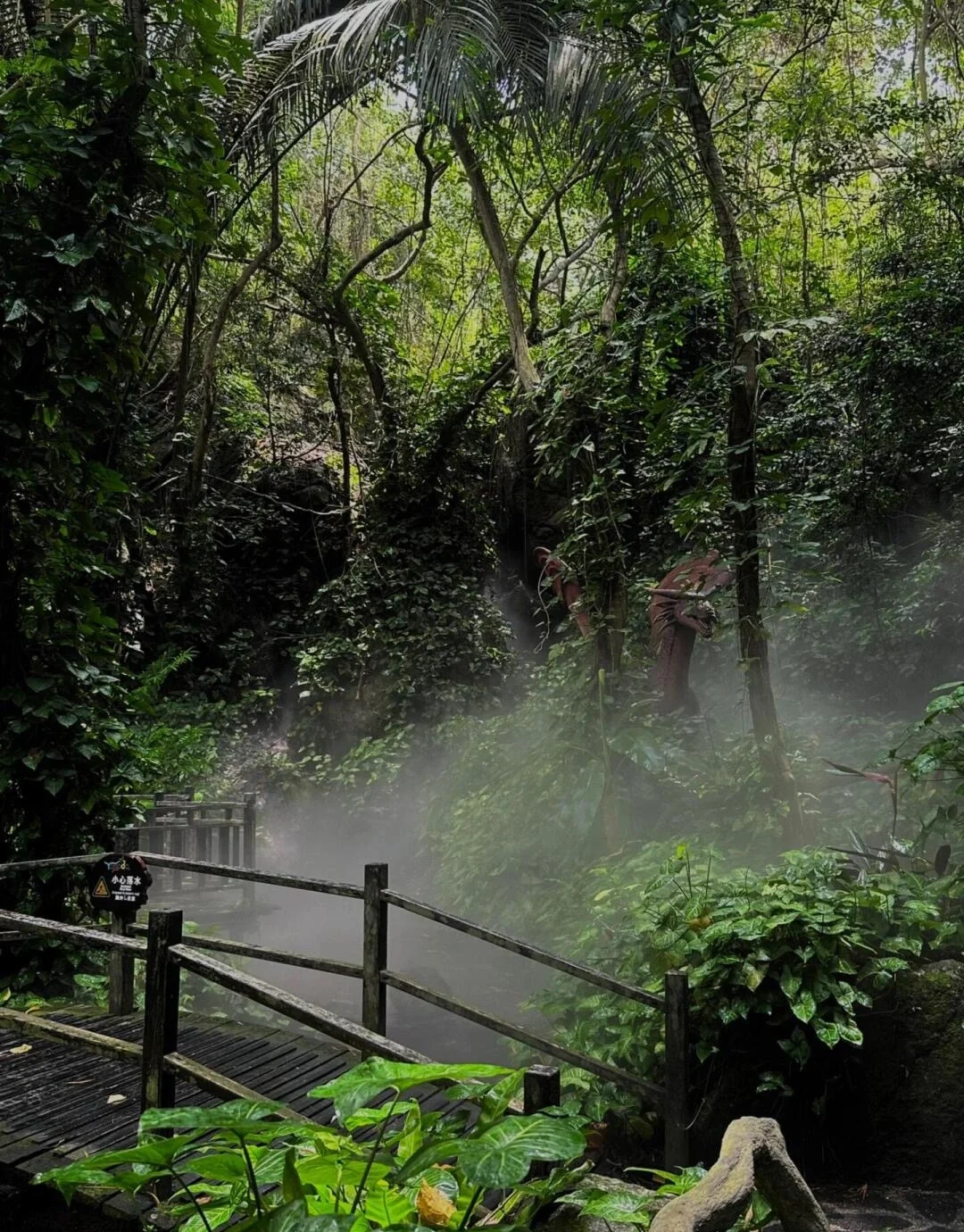
Yanoda Rainforest (呀诺达雨林) is one of the strongest ways to add an ecological layer to a Hainan trip without overcomplicating the route. It is worth visiting for travelers who want tropical vegetation, light adventure, and a different landscape from bays and city streets. It suits families, nature-focused travelers, and visitors who want one rainforest experience without turning the whole island into an inland trip. In route terms, it is a strong selective add-on, but not something every first trip must force in.

The Haikou Volcanic Cluster (海口火山群) is one of Hainan’s more distinctive non-coastal additions. It is worth visiting for travelers interested in geology, light hiking, and the feeling of seeing another side of the island beyond beaches and resort zones. It suits people who already plan to include Haikou and want a more varied island impression. In route terms, it is a support-side excursion rather than a first-trip priority above Sanya, one selective east-coast stop, or one stronger rainforest contrast.

Other worthwhile longer-trip additions include Bo’ao (博鳌), Xincun (新村), Mission Hills hot springs (观澜湖温泉), and Wenchang (文昌), but these usually make more sense once the main first-trip structure is already clear. For most first-time visitors, they are selective extensions rather than higher priorities than Sanya, Haikou, one east-coast coastal add-on, or one nature-and-culture contrast.
For most first-time visitors, the safest structure is Sanya as the main core, Haikou as the clearest support-and-contrast layer, and only one additional coastal, cultural, or nature add-on if time really allows.

Hainan works best when you build the trip around one clear island core and one contrast layer, not by trying to cover every bay, city stop, rainforest area, and island loop in one go. For most first-time visitors, the safest structure is still Sanya plus one carefully chosen add-on.
For most travelers, Hainan leaves a better first impression when the route stays selective. Sanya + one contrast layer is often stronger than trying to “complete” the island. If you are fitting Hainan into a wider journey, it also helps to decide how long to spend in China before locking the island into the bigger route.
For most first-time visitors, Hainan works best when Sanya stays at the center and the rest of the route adds only one clear contrast or support layer at a time.

Who it’s for
Travelers with limited time who want the clearest first look at Hainan without turning the trip into a transfer-heavy island overview.
Route logic
This length works best when you stay with one short, efficient structure. Sanya is usually the strongest short-trip answer, while Sanya + one nearby bay or one scenic-cultural add-on works better if you want a little contrast without stretching the island too far.
Main stops
Sanya
or Sanya + one nearby bay / one scenic-cultural add-on
Why this itinerary works
It keeps the trip centered on Hainan’s strongest first-trip core and avoids wasting time on long island transfers. You still get the tropical-coast feel that most travelers come for, and if you add one nearby contrast, it can make the trip feel fuller without making it messy.

Who it’s for
First-time visitors who want a more complete island impression without trying to “do all of Hainan.”
Route logic
This is the range where Hainan begins to feel properly shaped. Sanya + Haikou is the stronger coast-plus-city version, while Sanya + Wanning or Lingshui works better for travelers who want a more coastal, bay-led variation.
Main stops
Sanya + Haikou
or Sanya + Wanning / Lingshui
Why this itinerary works
It gives you enough time to move beyond one resort zone without losing the island’s relaxed rhythm. The route stays easy to read: one strong core, one clear contrast. That is usually much better than trying to sample too many bays or forcing in both coast and interior in the same short trip.

Who it’s for
Travelers who want Hainan’s most mature first-time structure and enough time for the island to feel varied.
Route logic
This is the strongest range for combining Sanya with one support layer and one additional contrast. A very reliable pattern is Sanya + Haikou + one east-coast or rainforest line. A more coast-led version is Sanya + Wanning + Lingshui with one city or cultural support layer.
Main stops
Sanya + Haikou + one east-coast or rainforest line
or Sanya + Wanning + Lingshui + one city / culture support layer
Why this itinerary works
It gives Hainan enough room to show more than one side of itself without collapsing into a full-island checklist. The island usually works best when Sanya remains the emotional center, one coastal contrast adds texture, and one support layer broadens the trip. That is one of Hainan’s most mature first-time structures.
Who it’s for
Travelers with more time, stronger island interest, or plans for a slower and more selective Hainan experience.
Route logic
Once you move beyond the classic first-time line, it usually makes more sense to add one deeper extension rather than many. The best approach is often to keep the classic core and then choose either a rainforest line, Bo’ao, or a quieter east-coast stay pattern.
Main stops
Classic core route + rainforest / Bo’ao / quieter east coast extension
Why this itinerary works
It keeps the island structured while giving you room to go beyond the standard resort-and-bay version of Hainan. Instead of turning the trip into a rushed island loop, it adds one more layer with a clear purpose, which usually creates a better deeper trip than trying to cover every named stop. If you are fitting Hainan into a wider national route, it becomes easier once you are clear on How to Plan a China Trip.

Hainan is best experienced through rhythm, contrast, and selectivity rather than through attraction count. The island works better when you let one bay, one mood, and one supporting layer breathe instead of trying to turn the trip into a nonstop checklist.
There is no single season that works the same way for every Hainan trip. For most first-time visitors, winter and spring are the safest overall choices, but the best timing still depends on whether your trip is mainly about beach weather, surfing, rainforest walking, family resort time, or lower-cost off-season travel. For a broader country-wide comparison, see our Best Time to Visit China guide.

Spring is one of the strongest seasons for a first Hainan trip. The weather is usually warm without feeling too intense, coastal travel is comfortable, and the island still holds its easy winter-sun appeal without the same peak-holiday pressure as the busiest periods. This is one of the safest times for a classic Sanya-led route, and it also works well for families and first-time island travelers who want a balanced version of Hainan.

Summer can work in Hainan, but it is not the easiest all-purpose answer for most first trips. The island often feels hot, humid, and wetter, and this is also the season when typhoon risk matters more. It can still make sense for budget-minded travelers, slower off-season resort stays, or certain surf-focused plans, but it is not the most stable season for a broad first impression. Rainforest and volcano outings also become more weather-dependent at this time.

Autumn can be good, but it depends on timing. Early autumn is still more weather-sensitive because rain and typhoon risk may linger, while late autumn becomes much more reliable for coastal travel. For many travelers, late autumn is when Hainan starts to feel like a stronger winter-sun destination again, with better route stability and more comfortable bay-based travel.

Winter is often the clearest first-trip season for Hainan and one of the island’s strongest travel windows overall. This is when Sanya and the broader coastal holiday side feel most naturally aligned with what many travelers want from Hainan: warm weather, beach time, resort rhythm, and a winter-sun escape. The tradeoff is obvious — this is also when prices and crowds rise, especially around major holiday periods. It is excellent, but not cheap or empty.
Getting to Hainan is usually straightforward. The more important question is which entry point best matches your route. For many first-time visitors, Sanya is the clearest arrival point for a beach-led holiday, while Haikou is often the more practical all-purpose gateway for a broader island plan. Hainan is also easy to combine with wider South China and East Asia travel, and the island’s internal rail network makes onward movement much easier than many travelers expect.

Flying is the main way most travelers reach Hainan. Sanya Phoenix International Airport is usually the strongest choice for a beach-led first trip, while Haikou Meilan International Airport works better for broader island structure, lower fares on some routes, and easier northern-island access. Qionghai Boao Airport can also matter for more selective east-coast itineraries, but it is not the default first-trip entry.

High-speed rail matters more once you are already on the island. Hainan’s round-island rail system is one of the easiest ways to move between major zones such as Haikou, Qionghai, Wanning, Lingshui, and Sanya, which is one reason the island works well as a route-based destination rather than just a fly-in resort stay. In practice, rail is the backbone of many first trips, with road transfers handling the last leg to bays, resorts, or scenic areas.
That is why Hainan is easiest to plan when you choose the route first, then match the airport to that structure. For broader national transport planning, see our China Transportation Guide.
Getting around Hainan is route-based, rail-supported, and often dependent on the final road transfer. The island’s round-island high-speed rail makes movement between major zones much easier than many first-time visitors expect, but bays, resorts, surf areas, rainforest parks, and some scenic stops still depend on taxis, ride-hailing, shuttles, or private car for the last segment.
| Route | Best way to travel | What to know |
|---|---|---|
| Sanya ↔ Haikou | High-speed island rail | The clearest main-island backbone for most first-time routes, and usually the easiest big move on the island. |
| Sanya ↔ Wanning | High-speed rail + local transfer | A strong coast-to-coast combination for resort + surf logic, but the final leg still matters once you leave the station. |
| Sanya ↔ Lingshui | High-speed rail + road transfer | Easy to combine on paper, but this usually works best when you are deliberately building a selective bay-based route. |
| Haikou ↔ Qionghai / Bo’ao | High-speed rail | A practical east-coast move for travelers adding a slower coastal contrast to the trip. |
| Haikou ↔ Volcanic Cluster side | Taxi / ride-hailing / private car | Better treated as a city-side excursion than as part of a broader island transfer day. |
| Sanya / coast ↔ rainforest or inland cultural areas | Road transfer / private car / tour vehicle | These are usually more weather-sensitive and transfer-dependent than standard bay stays. |

Where you stay in Hainan should follow route logic, not just hotel price or beach photos. Sanya is the island’s strongest resort base, Haikou works better as a gateway and city-support stay, and the other areas make the most sense only when they clearly match the kind of Hainan trip you are building.
Stay in Sanya if your trip is mainly about beaches, resort rhythm, warm-weather escape, or an easy first Hainan base. It works especially well for first-time visitors, couples, families, and travelers who want the island’s clearest tropical-holiday structure. In most classic first trips, Sanya is the strongest place to build the route around rather than just pass through.
Stay in Haikou if you need a practical entry or exit base, want a city-and-history contrast, or plan to give the northern side of the island a little space. It works best for travelers who want old-street atmosphere, food, and easier transport structure in addition to resort time. For most first-time visitors, though, Haikou is a support base rather than the emotional center of the trip.
Stay in Wanning if surfing, a younger coastal mood, or a more laid-back east-coast stay is a real part of your travel goal. It suits travelers who want a less polished, more lifestyle-shaped coast than the main Sanya resort pattern. In most Hainan routes, Wanning is strongest as a specialist stay, not as the default base for everyone.
Stay in Lingshui or a quieter bay area only if you want a calmer, more selective, or more upscale coastal stay than the standard first-trip core. It suits travelers who care more about bay quality, privacy, and a slower resort rhythm than about broader island coverage. In most first trips, this works better as a refinement to a coast-led route than as a separate structure of its own.
Stay near rainforest or interior add-ons only if those areas are a real part of the route, not just a small detour. This suits travelers building a longer trip with nature, ecology, or inland contrast in mind. For most first-time visitors, interior stays are more functional than essential, and usually weaker than keeping the island’s coast-led structure clear.
Stay near secondary east-coast towns only if you are shaping a slower, longer, or more selective Hainan route. These stays can work well for travelers who want a gentler coastal rhythm beyond the main Sanya logic, but they are usually not the strongest first base for a short first trip. In most cases, they function better as supporting overnights than as core anchors.
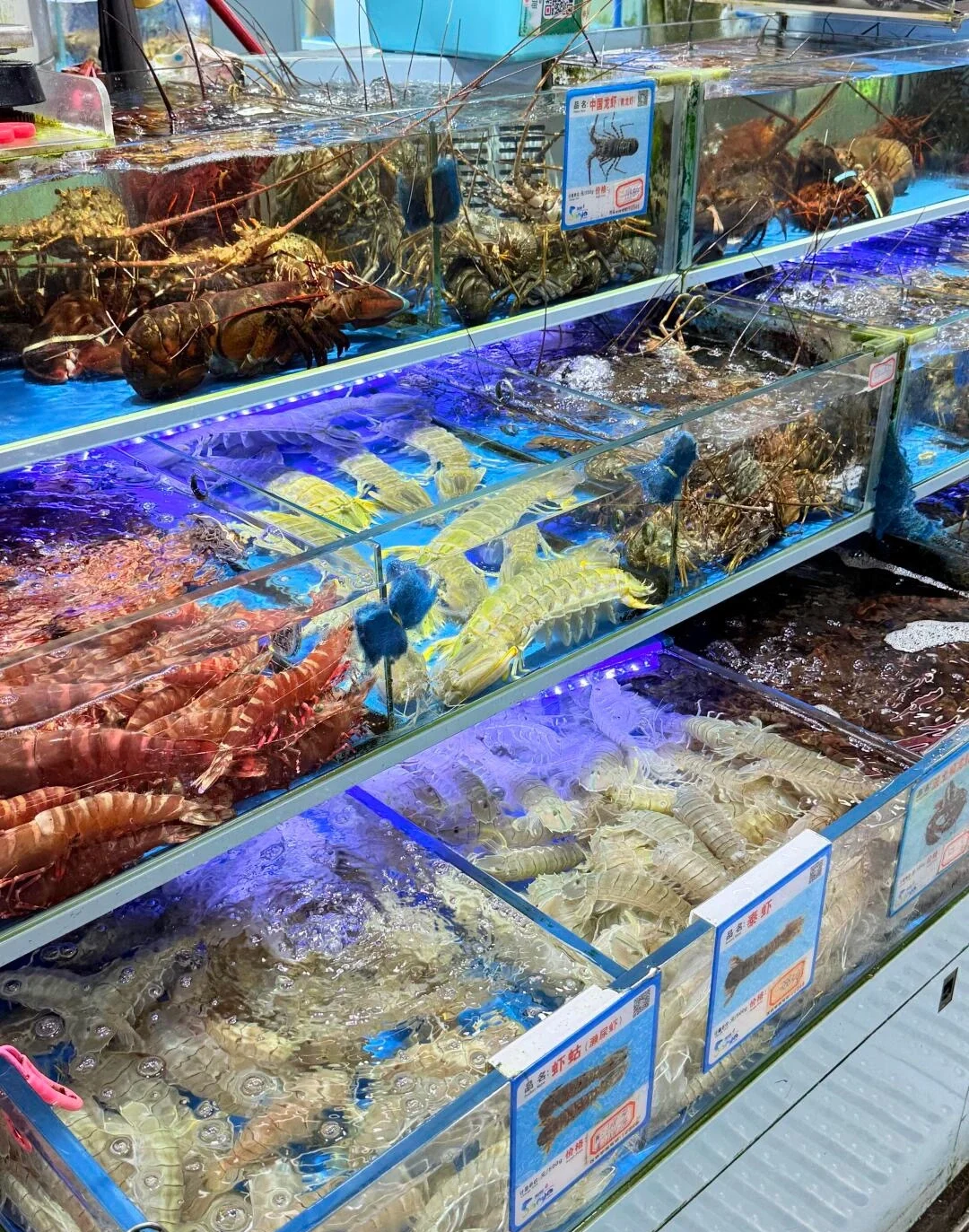
Hainan food is one of the easiest parts of the island to enjoy because it fits the island’s travel rhythm so naturally. The flavors are usually lighter, fresher, and more ingredient-led than many visitors expect, with seafood, coconut, tropical produce, and gentle broths playing a bigger role than heavy sauces or aggressive spice. It is a good destination for travelers who want food that feels local, warm-weather-friendly, and easy to enjoy across several days.
Wenchang chicken (文昌鸡)
This is one of Hainan’s best-known signature dishes and one of the clearest introductions to local flavor. It is valued for tender meat, clean taste, and a more delicate style than heavily seasoned chicken dishes elsewhere in China. It suits almost everyone, especially first-time visitors who want something famous but easy to enjoy.
Coconut chicken (椰子鸡)
Coconut chicken hotpot is one of the most distinctive Hainan experiences because it combines the island’s tropical identity with a very approachable flavor profile. The broth is fragrant, lightly sweet, and soothing rather than rich or spicy. It is especially good for families, couples, and travelers who want something local without feeling too heavy.
Seafood
Seafood is central to the Hainan experience, but the real appeal is freshness rather than complicated seasoning. Fish, shrimp, shellfish, and other coastal dishes are often steamed, poached, or lightly cooked so the natural sweetness stays clear. This works especially well for travelers who prefer cleaner flavors and a stronger sense of place.
Hele crab (和乐蟹)
Hele crab is one of the island’s classic coastal specialties and is worth trying if you want a more specific Hainan marker than seafood in general. It is especially known for sweet meat and rich roe, making it a strong choice for crab lovers and travelers who want a more local-style celebratory dish.
Qingbuliang (清补凉)
Qingbuliang is one of the island’s most useful dessert breaks, especially in warm weather. Usually built around chilled ingredients, coconut, beans, jelly, fruit, or other sweet additions, it feels cooling and tropical rather than heavy. It suits almost everyone and is one of the easiest Hainan specialties to try repeatedly.
Coffee, coconut, and tropical fruit
These are not the core of the food section, but they do add real value to a Hainan trip. Local coffee, fresh coconut drinks, mango, pineapple, and other tropical fruit help the island feel different from many mainland food routes. They work best as daily add-ons rather than as the main culinary goal.
Hainan food is usually lighter and more ingredient-driven than many visitors expect. Compared with Guangdong, it often feels simpler and less banquet-shaped. Compared with Fujian, it is less delicate in structure but more obviously tropical. Compared with Hunan and Sichuan, it is far less chili-driven and much less dependent on bold spice. The result is a style built around freshness, clean broths, seafood sweetness, coconut fragrance, and a warm-weather sense of ease.
Sanya is more resort-facing, so seafood, polished tourist dining, and coconut-based dishes are easier to find in a more vacation-shaped setting. Haikou usually gives you a more everyday food rhythm, with stronger street-life texture and simpler local meals. Other coastal parts of the island can feel more local and less polished, but across Hainan the main pattern stays similar: lighter flavors, fresh ingredients, tropical produce, and food that fits warm-weather travel.
Hainan is not one of the cheapest provinces to travel in China, and costs rise fast once you move into peak-season resort stays, especially around Sanya. For most first-time visitors, the core budget usually sits around a Sanya + one contrast layer + Haikou or east-coast add-on structure, while private transfers, watersports, island tickets, and repeated bay changes push the total up more quickly. Sanya hotel prices also tend to peak in winter, especially around December through February.
| Budget level | What it usually looks like | Typical cost per person |
|---|---|---|
| Budget-ish route | Basic hotel or guesthouse, island rail, simple local meals, selective sightseeing | RMB 2,000–3,500 for 4–6 days |
| Mid-range classic route | Comfortable hotel, smoother transfers, some bay dining, one or two paid activities | RMB 4,000–7,000 for 4–7 days |
| Comfortable private route | Resort stay, private transfers, more flexible timing, watersports or island add-ons | RMB 7,500–13,000 for 5–8 days |
If you want to compare this with wider national planning, see our guide on the Cost to Travel China.
Hainan is easiest to enjoy when you treat it as a route-shaped island trip rather than as a list of beaches to collect. A smoother first trip usually comes from clearer regional roles, realistic transfer planning, and enough space for weather, rest, and slower island rhythm.
For broader first-time advice, see our China Travel Tips guide.

Hainan can support all five well, but not with equal strength. Its real advantage is that it works best as a resort-and-route destination, so the island becomes much stronger once you are clear about what kind of trip you actually want.
This is Hainan’s clearest strength. If your main goal is warm weather, bay stays, resort rhythm, and a more relaxed tropical side of China, Hainan is one of the country’s strongest choices.
Hainan is very strong here, especially if surfing or sea-based activities are a real part of the trip rather than a casual extra. It becomes much more compelling once you actively want that younger coastal or activity-led layer.
Hainan is good for this, but nature is usually a supporting strength rather than the main reason most first-time visitors come. It works best when rainforest or ecological stops are used to deepen a coast-led trip rather than replace it.
Hainan is one of the better family-friendly warm-weather destinations in China. The island is relatively easy to structure, the resort logic is clear, and the balance of beach time, light activities, and slower pacing suits many family trips very well.
Hainan can still work, but this is not its strongest headline advantage. It is better for travelers who want culture as a supporting layer within a broader island trip, rather than for people looking for a dense history-first or monuments-first destination.


To cook dumplings, boil them in water, add cold water twice after boiling, and cook until they float with elastic skin. Serve with dipping sauce.

Explore Nanjing, a city where rich history meets modern vibrancy. Discover its ancient landmarks, scenic beauty, and thriving urban culture.

Discover Ningbo, a historical port city with a rich cultural heritage, including the ancient Tianyi Pavilion, and its importance as the starting point of the Maritime Silk Road.

Discover the 1989 Earth Snake zodiac meaning and 2026 forecast, including personality, career, wealth, love, health, lucky elements, and practical advice.

The Mooncake Festival, or Mid-Autumn Festival, is celebrated on the 15th day of the 8th lunar month, usually in September or October.

A clear and structured 2026 forecast for people born in 2015, focusing on learning growth, confidence building, relationships, health, and practical guidance.


