
 Written by
Anthony
Suzhou’s classical gardens are living artworks where nature and culture blend in perfect harmony. Recognized by UNESCO in 1997 as a World Heritage Site, these gardens are celebrated as masterpieces of Chinese landscape design, praised for turning small courtyards into poetic worlds of water, rock, and greenery.

Often called “the finest gardens in all of Jiangnan”, Suzhou’s 60 surviving classical gardens stand alongside Versailles and Italian Renaissance gardens as one of the world’s great traditions. Unlike grand European styles, Suzhou gardens focus on subtle beauty—inviting visitors to step into a timeless retreat of quiet ponds, winding corridors, and bamboo shadows.

The story of Suzhou gardens goes back more than 2,500 years. In the Spring and Autumn period, kings built lavish spaces like the Gusu Terrace for pleasure and power. By the Song dynasty, the purpose of gardens shifted. Scholars began designing them as spiritual sanctuaries—infusing poetry, painting, and philosophy into rocks, water, and bamboo.
Suzhou gardens flourished in the Ming and Qing dynasties, leaving us masterpieces such as the Humble Administrator’s Garden and the Lingering Garden. These “literati landscape gardens” were never about size. A single pond could suggest a vast lake, a cluster of Taihu rocks could stand for mountains, and a framed window view could look like a living painting.
For travelers, Suzhou gardens are more than elegant pavilions. They are gateways to Chinese culture, where nature, art, and philosophy meet. Here, you can slow down, breathe with the landscape, and glimpse the timeless Chinese idea of harmony between people and nature.
Suzhou gardens are more than just architecture and design — they change with the seasons and light. Pick the right time, and you’ll catch their most poetic side: misty spring blooms, fiery autumn leaves, snow-dusted stones, or golden hour reflections.

Spring is flower season in Suzhou. From late March to early April:
Humble Administrator’s Garden becomes a sea of crabapple blossoms, especially in the “Spring Hillock” area.
Lingering Garden transforms with cascades of wisteria, creating a dreamlike watercolor scene with Taihu rocks in the background.
Don’t forget to explore nearby Pingjiang Road and Shantang Street, where cherry and peach blossoms line the canals. A lightweight oil-paper umbrella (30–50 RMB) makes both a rain shield and a perfect photo prop.

Autumn brings crisp air and bold color:
Maple trees on Tianping Mountain turn fiery red — perfect for hikes.
Ginkgo leaves in Lingering Garden create a golden carpet near the Guanyun Peak area.
Lotus remains in Humble Administrator’s Garden offer quiet, poetic charm — ideal for peaceful moments and photography.
With average temperatures between 15–20°C, it’s the perfect weather for slow walks. Look out for the Tianping Red Maple Festival, featuring live Kunqu opera and local music.

Winter is low season, but it’s when gardens feel most meditative:
Snow in Lion Grove Garden turns the rockeries into black-and-white landscapes.
Wintersweet blossoms in Humble Administrator’s Garden offer fragrance and subtle charm.
Fewer crowds (about 1/3 of peak season), discounted tickets (e.g. 70 RMB at Humble Administrator’s), and warm tea in the pavilion (try Biluochun for 30 RMB) make winter visits wonderfully serene.
For a country-wide seasonal comparison, see Best & Worst Time to Visit China.
Arrive at opening to enjoy peaceful paths, soft morning light, and minimal crowds.
At Reflection Pavilion, morning mist and water mirror trees and clouds — a photographer’s dream.
Qu Creek Tower in Lingering Garden often glows with dew and mountain views.
Pro Tip: Gardens open at 7:30 AM. Arrive early and bring a lens cloth if visiting in misty spring.
As visitors leave, the gardens bathe in golden light.
Wind Pavilion in Master of the Nets Garden offers sunset views through fan-shaped windows.
Lotus Breeze Pavilion reflects red clouds on still ponds at dusk.
Pro Tip: In winter, most gardens close by 5:00 PM. For night visits, Master of the Nets Garden offers a special illuminated session (7:30–10:00 PM) — book ahead via the official mini-program.

Suzhou sits at the heart of the Yangtze River Delta, making it one of the easiest cities to reach.
From Shanghai: The high-speed train from Hongqiao Station to Suzhou North takes as little as 21 minutes, with over 100 daily departures. Coming from Pudong Airport, allow about 1.5 hours via Hongqiao. Tickets can be scanned directly with “Rail e-Card,” no paper needed.
Suzhou Station: Best for garden visits, located near the old city. From here, it’s a 15-minute walk to the Humble Administrator’s Garden or just one metro stop on Line 6.
Suzhou North Station: Main hub for high-speed trains. It’s farther out, but Metro Line 2 connects you to the city center in about 30 minutes.
For a full overview of routes, tickets, and stations, see China’s High-Speed Rail (HSR).

Suzhou’s public transport makes visiting gardens easy.
Metro: Four lines (1, 2, 4, and 6) form a “garden network.” New Line 6 (opened 2024) links Tiger Hill, Humble Administrator’s Garden, and Lion Grove. Tickets can be paid with the Alipay Suzhou Metro QR code, and machines have English voice options.
Buses: Tourist routes You 1, You 2, and You 5 connect major gardens like Humble Administrator’s, Lingering Garden, and Master of the Nets. Fares are only 2 RMB, and some buses even provide English brochures.
Humble Administrator’s ↔ Lion Grove: Just a 10-minute walk along Lin Dun Road, passing the free Suzhou Museum.
Humble Administrator’s ↔ Lingering Garden: You 1 bus (30 minutes) or taxi (~25 RMB, 15 minutes).
Lingering Garden ↔ Master of the Nets: Metro Line 2 → Line 4 (40 minutes) or taxi (~35 RMB).
Ticket Price: ¥90 (Mar–Nov), ¥70 (Dec–Feb); Half price for students; Free for children under 1.4 m
Opening Hours: 7:30–17:30 (Mar–Nov), 7:30–17:00 (Dec–Feb)

As the largest classical garden in Suzhou, this 7.8-hectare estate sets the standard for Jiangnan garden design. Its hallmark is an open and elegant layout, divided into East, Middle, and West sections. The Middle Garden is the most exquisite, centered around the “Pavilion of Lotus Breezes,” where summer lotus blooms can be admired from all four directions—hence the name.
A must-see is the “With Whom Shall I Sit” Pavilion, where a fan-shaped window frames a living painting of Taihu rocks, bamboo, and clouds. On rainy days, the mirrored reflections of the “Reflection Tower” in the water create a poetic blur between real and imagined.
Built by Ming Dynasty official Wang Xianchen after leaving government, the garden reflects his longing for pastoral life. Inscriptions like “Finding Joy in Simplicity” speak to a literati’s contentment with nature over ambition.
Don’t Miss: Take a traditional rowboat ride around the central pond from the Xiangzhou Pavilion (¥30/person, 15 minutes). You’ll feel like you’re gliding through a painting—experiencing Suzhou in its most poetic form.
Ticket Price: ¥55 (Mar–Nov), ¥45 (Dec–Feb); Half price for students; Free for children under 1.4 m
Opening Hours: 7:30–17:00 (Mar–Nov), 7:30–16:30 (Dec–Feb)

Though only 23,000 m², the Lingering Garden astonishes with its mastery of space—what scholars call “greatness within the small.” The garden is structured as “residence in front, garden in back.” Highlights include the historic Nanmu Hall (entirely built from precious Phoebe wood, no nails used) and a seamless interplay of rocks, water, pavilions, and corridors in the rear garden.
Its crown jewel is the 6.5-meter-high “Crowning Cloud Peak,” one of the most famous Taihu stones in China. Alongside it, “Mist and Auspicious Cloud Peaks” form the “Three Peaks Reflecting the Moon” tableau. The covered corridor showcases rubbings of calligraphy from masters like Wang Xizhi and Yan Zhenqing.
Don’t Miss: Stand in front of Qu Creek Tower and look through its carved window. The scene outside—framed rocks, flowers, and pavilions—forms a perfect natural painting, exemplifying the technique of “borrowed scenery.”
Ticket Price: ¥40 (Mar–Nov), ¥30 (Dec–Feb); Half price for students; Free for children under 1.4 m
Opening Hours: 7:30–17:30 (Mar–Nov), 7:30–17:00 (Dec–Feb)

The Lion Grove Garden is a rockery lover’s paradise, designed by monk Tianru during the Yuan Dynasty in memory of his teacher. The garden’s name comes from the lion-shaped rocks scattered across its 9 paths and 21 cave entrances.
This rock labyrinth spans three levels—offering elevated views, mid-level tunnels, and water-level paths. Kids will love exploring caves like “Chessboard Grotto” or feeding koi fish by the lakeside pavilion (¥10/fish food packet).
Zen themes abound: “Asking Plum Pavilion” evokes winter plum scents, while “Pointing Cypress Hall” recalls Chan Buddhist stories. The “True Delight Pavilion” was inscribed by Emperor Qianlong himself, who was captivated by the rock maze.
Don’t Miss: Begin at “Sunlit Grotto,” wind your way through hidden caves, and emerge at “Moonrise Grotto.” The summit—“Lion Peak”—offers a rooftop view of Suzhou’s classic rooftops and misty skyline.
Ticket Price: ¥40 (day), ¥100 (night); Daytime half price for students; No discount for night tickets
Opening Hours: Day: 7:30–17:00 | Night: 19:30–22:00 (Night tour by appointment; closed on Mondays)

At just 8,000 m², this garden is the smallest of Suzhou’s major classical gardens—but its intimacy and elegance have made it a beloved social media gem. Centered around the “Rosy Clouds Pond,” it’s surrounded by pavilions like “Pavilion of Moonlight and Breeze,” “Washing Tassels Pavilion,” and “Fragrant Osmanthus Studio.”
Inspired by the ideal of a recluse fisherman, it was designed by Song Dynasty official Shi Zhengzhi after retirement. During the day, admire delicate architectural features like curved railings and flower-shaped windows. At night, the garden transforms into a dreamscape.
Evening visits include Kunqu opera and traditional music performances with English subtitles, illuminated pavilions, and rippling reflections—truly a multisensory experience.
Don’t Miss: Book the evening “Jiangnan Silk & Strings” performance and sit by the “Pavilion of Moonlight and Breeze.” The combination of water reflections, soft singing, and fluttering lanterns creates a magical atmosphere.
Ticket Price: ¥20; Half price for students; Free for children under 1.4 m
Opening Hours: 7:30–17:00 (Open year-round)

A favorite among locals, the Garden of Cultivation is one of the quietest, least commercialized classical gardens in Suzhou. Built by Wen Zhenmeng, a descendant of famed artist Wen Zhengming, it preserves the simple and natural charm of a Ming-era retreat.
The heart of the garden is “Milkfish Pavilion,” overlooking a crystal-clear pond where you can see fish swimming beneath water lilies. Plantings of banana, bamboo, and rocks add to the wild and tranquil atmosphere.
The “Yanguang Pavilion” doubles as a teahouse (¥50 for a cup of Biluochun green tea) and scenic overlook. From here, one can admire the opposite “Six Delights Studio” framed by banana leaves swaying in the breeze.
Don’t Miss: Order a cup of local green tea and sit on a bamboo chair in Yanguang Pavilion. Watch elders playing chess and singing opera—a glimpse into Suzhou’s slow life and timeless leisure.
Ticket Price: ¥20; Half price for students; Free for children under 1.4 m
Opening Hours: 7:30–17:00 (Mar–Nov), 7:30–16:30 (Dec–Feb)

Dating back to the Northern Song Dynasty (11th century), Canglang Pavilion is the oldest surviving classical garden in Suzhou. Unlike other water-centered layouts, it features a rare “mountain-dominant” design with winding corridors connecting garden and water from both inside and out.
The highlight is the stone-built Canglang Pavilion itself, whose plaque was inscribed by famed calligrapher Mi Fu. The couplet on its pillars reads: “The breeze and bright moon are priceless; near water and distant hills stir deep feeling”—capturing the spirit of its creator, Su Shunqin, a poet exiled from court life.
Stroll along the unique double-sided corridor: one side faces the outer river, the other links to inner rockeries and bamboo groves. The interplay between exterior and interior scenes creates a constant sense of discovery.
Don’t Miss: Photograph the 25 carved “leak windows” along the corridor—each frames a different view of rock, water, and pavilion. On sunny days, light filters through; on rainy days, water streams down like a living ink painting.
Ticket Price: ¥20; Half price for students; Free for children under 1.4 m
Opening Hours: 7:30–17:00 (Mar–Nov), 7:30–16:30 (Dec–Feb)

This rare “love-themed” garden was jointly designed by Qing official Shen Bingcheng and his wife Yan Yonghua after retirement. The name “Ou” (耦) means “paired” or “in harmony,” and the garden layout symbolizes marital balance—featuring mirrored structures and poetic symmetry.
The estate is divided into East and West gardens, linked by the “Couple’s Reading Hall” in the center. The East features natural rock and water landscapes, while the West emphasizes architectural elegance. Their harmony reflects the ideal of a well-matched couple.
Key spots include “Twin Illumination Tower,” where the couple read and painted, and “Old Curtain Studio,” a refined study surrounded by orchids and plantain trees. The curved “Rainbow Arch Bridge” offers a panoramic view of both gardens—perfect for couples’ photos.
Don’t Miss: Sit at the stone chess table in the central courtyard and reenact a poetic game of “husband-and-wife Go.” Or feed koi fish by the lotus pond beside “Pillow-Wave Pavilion” to feel the romantic stillness of Suzhou.
Ticket Price: ¥15; Half price for students; Free for children under 1.4 m
Opening Hours: 7:30–17:00 (Mar–Nov), 7:30–16:30 (Dec–Feb)

At just 2,000 m², the Humble Mountain Villa is one of Suzhou’s smallest gardens, yet it houses one of China’s most legendary rockeries—designed by Qing Dynasty garden master Ge Yuliang. Built entirely without nails using the “hook-and-hold” technique, the yellow stone formations achieve remarkable depth and balance.
Though the main peak, “Lake-Viewing Peak,” stands only 7 meters tall, it simulates an entire mountain range—complete with peaks, caves, cliffs, and valleys. Tunnels like “Snow Cave” and “Wind Cave” connect across levels, offering a maze-like, immersive experience.
Reflections in the pool below double the visual effect, enhancing the illusion of natural wilderness within a tiny courtyard. Minimal architecture like “Autumn Room” or “Half Pond Autumn Reflection House” is designed purely to observe the rocks.
Don’t Miss: Enter through the “South Entrance Cave,” climb to “Lake-Viewing Peak” for a panoramic glimpse of Suzhou’s skyline, then descend through the “North Exit Cave.” In just 10 minutes, you’ll traverse a world scaled down into inches.
Ticket Price: ¥45 (included in Tongli Town combo); ¥30 garden-only; Half price for students; Free for children under 1.4 m
Opening Hours: 7:30–17:30 (Mar–Nov), 8:00–17:00 (Dec–Feb)

Located within the ancient water town of Tongli, the Retreat & Reflection Garden is the only classical garden that fully integrates Suzhou-style aesthetics with the charm of water-town life. Built by Qing official Ren Lansheng after retirement, the garden reflects a philosophy of “retreating to reflect” but reveals a zest for joy in design.
Unlike most layouts, it follows a “residence west, garden east” structure—connected by a stone bridge across water, showcasing the signature water-town flavor. The heart of the garden is “Reflection Hall,” with pavilions like “Noisy Red Boat” shaped like a docked vessel floating gently on the pond.
Structures like “Water Fragrance Pavilion” and “Sleeping Cloud Pavilion” blend with canals and homes outside the walls, borrowing scenery from the ancient town. In autumn, golden ginkgo leaves and red maples add vibrant color to the white-walled elegance.
Don’t Miss: Arrive via black-awning boat (¥60/boat, seats 6), gliding past Tongli’s bridges and into the garden dock. Sip local Qianshi (fox nut) tea inside “Noisy Red Boat” and feel the harmony between garden and water town.
The charm of Suzhou gardens goes far beyond the pavilions and ponds—they embody a refined philosophy of life rooted in classical Chinese aesthetics. Behind every winding path and framed vista lies a deep understanding of nature, harmony, and poetic living.
The ultimate goal of Suzhou garden design is to bring nature into the courtyard—without revealing the gardener’s hand. This harmony between humanity and nature is achieved through three key principles:

Suzhou gardens don’t copy nature—they distill it. The classic “One Pond, Three Islands” layout seen in the central section of the Humble Administrator’s Garden evokes ancient myths of immortal isles floating in vast seas, allowing the owner to feel like a recluse in paradise without ever leaving home.
In the Lion Grove Garden, massive Taihu rockeries simulate mountain peaks, valleys, and grottoes. With nine winding paths and 21 cave openings, visitors experience the thrill of a wilderness hike in miniature.
This “contraction” of nature is not mere shrinking, but spiritual concentration. Lingering Garden mimics mountain springs with meandering streams and layers of vegetation, recreating wild beauty within city walls.

Walls in Suzhou gardens never block the view—they extend it. This concept of “borrowed scenery” lets the outside world become part of the garden itself. From Qu Creek Tower in Lingering Garden, one can see the Crowning Cloud Peak aligned perfectly with the distant Tiger Hill Pagoda—visually expanding the space by kilometers.
The Master of the Nets Garden excels in “near borrowing.” A neighboring ancient tree leans into the garden. Instead of trimming it, designers built a pavilion beneath—Fragrant Osmanthus Studio—where in autumn, the scent of osmanthus enters the garden naturally. In this way, the boundary between garden and world dissolves.

The beauty of Suzhou gardens lies in the interplay of solid and void, real and reflected. The Reflection Tower in the Humble Administrator’s Garden casts a perfect mirror image into the pond below—on sunny days the illusion is crisp; on rainy days, the blurred ripples create dreamlike poetry.
In Lingering Garden, the Ke Pavilion casts intricate patterns of light and shadow through carved latticework. As sunlight shifts, the shadows dance—transforming the static into the dynamic. This duality of “form and emptiness” embodies Daoist philosophy at its core.
Every element in a Suzhou garden—from humble moss to grand rock formations—carries symbolic meaning, echoing the spiritual aspirations of its designers.

Lotus – Celebrated for rising unstained from the mud, the lotus (seen in the Humble Administrator’s Garden) represents purity and moral integrity.
Bamboo – Found in the Lion Grove and Garden of Cultivation, bamboo stands for humility (hollow inside) and strength (evergreen), beloved by scholars as a symbol of resilience.
Plum Blossom – Often planted near Plum Pavilion or Sitting with Whom Pavilion, plum blossoms bloom through winter cold, signifying courage in adversity.
Wisteria – Draping elegantly over the garden walls, especially near the Hanyan Hall in Lingering Garden, this vine symbolizes vitality and auspicious fortune.

Taihu Rocks – With their signature “thin, wrinkled, porous, and perforated” traits, they represent elegant strength and refined character. The Crowning Cloud Peak is a famous example.
Yellow Rocks – Used in some Lion Grove rockeries, yellow rocks are angular and bold—symbolizing masculine energy, a counterbalance to Taihu’s graceful femininity.
Stone Tableaus – In quiet corners, a single stone paired with orchids and bamboo evokes an entire landscape, embodying the idea of “a fistful of rock equals a mountain.”

Pavilions (Ting) – Open on all sides, like the Four-Sided Lotus Pavilion, they invite guests to pause and appreciate the view—reminding us to slow down and savor the moment.
Waterside Studios (Xie) – Half on land, half over water, such as the Washing Tassels Pavilion, they let visitors watch ripples and hear lapping waves—engaging all senses.
Corridors (Lang) – Winding walkways like the Double Corridor in Canglang Pavilion connect scenes and change perspectives, with leak windows that frame shifting views.
Studios (Xuan) – Lightweight, often windowed structures like the Sitting with Whom Studio, ideal for sipping tea, reading, or composing poetry—reflecting the soul of literati life.
To truly understand a Suzhou garden, you must feel it. Through tea, music, crafts, and costume, visitors today can step directly into the poetic lifestyle of the ancients.

Humble Administrator’s Garden – Pingfang Tea House: Sit by the lotus pond with a cup of early-spring Biluochun green tea (¥80, includes snacks). Let the scent of tea and the sound of Suzhou ballads carry you into calm.
Lingering Garden – Mingsi Pavilion: The Garden Tea Banquet (¥120) pairs delicate Su-style pastries shaped like pavilions and peaks—treats for both the tongue and the eye.

Master of the Nets Garden – Night Performance (7:30–10:00 PM): Included in the night ticket, enjoy Kunqu opera excerpts from Peony Pavilion or traditional Suzhou ballads with English subtitles. The setting: moonlit pavilions, water reflections, and soft string melodies.
Yuhantang, Shantang Street: Daytime Pingtan (ballad singing) shows (¥50) include classics like Jasmine Flower or Beauty of Taihu. After the show, guests can meet performers and try out traditional instruments.

At Lion Grove’s Intangible Heritage Workshop, you can:
Paint a Suzhou Fan – (¥60) with guidance from local artists, recreate garden scenes like the Reflection Tower or rockeries on your own silk fan.
Assemble a Mini Garden Model – (¥100/set), these detailed kits replicate layouts from Lingering or Master of the Nets Gardens—perfect for families and art lovers alike.
Snap a silhouette at the fan-shaped window of Sitting with Whom Pavilion
Frame a landscape through Qu Creek Tower’s leak window
Pose atop Lion Grove’s rock maze for a dramatic time-travel portrait
Only have one day in Suzhou? This carefully designed 10-hour itinerary lets you explore two of China’s most iconic classical gardens, savor authentic local cuisine, and stroll through ancient streets lit by glowing lanterns.

Start your day immersed in serene beauty before the crowds arrive.
Why Go: Experience the “Mother of Chinese Gardens” at its quietest and most atmospheric hour.
How to Get There: Walk or bike (10–15 min) from downtown hotels, or take Metro Line 6 to Zhuozhengyuan-Suzhou Museum Station (Exit 3).
What to See:
Head straight to the Central Garden.
Admire the Lotus Pavilion, surrounded by water and lotus in summer or haunting reflections in winter.
Snap dreamy photos at the With Whom Shall I Sit Pavilion (fan-shaped window) and Reflection Tower, where morning light creates perfect mirror images.
Pro Tip: Book your ticket a day in advance via the Suzhou Garden Travel mini app. Hire an English-speaking guide at the entrance (¥100/hr) for deeper insights.

Wander through rock mazes and discover the playful side of classical gardens.
Why Go: It’s the most interactive and fun of all Suzhou gardens, featuring complex rockeries and hidden grottoes.
How to Get There: Walk 10 minutes north along Lindun Road from the east gate of Humble Administrator’s Garden.
What to Do:
Enter the Taihu rock maze from Sunlight Grotto, climb to Lion Peak for panoramic views, and descend via winding paths.
Play hide-and-seek with 21 cave entrances—great fun for kids.
For quiet moments, visit Pointing Cypress Studio and watch locals playing chess.
Pro Tip: Paths are narrow—watch your step. Visit True Delight Pavilion with its Qianlong-era inscription before the tour groups arrive.

Refuel with a traditional Suzhou lunch on the city’s oldest commercial street.
Why Go: This historic pedestrian street offers local eats, nostalgic snacks, and a taste of Suzhou’s daily life.
How to Get There: Take a shared e-bike or public bus “You 1” line to Guanqian Street East stop (¥2, 5 min).
Where to Eat:
De Yue Lou (得月楼) – Suzhou’s oldest restaurant. Must-tries: Squirrel Mandarin Fish (crispy, sweet-sour) and Stir-Fried River Shrimp. ¥150/person. English menu available.
Lu Changxing (陆长兴) – Affordable noodle house popular with locals. Try the Braised Pork Noodles or Fried Fish Noodles (¥30/person).
Bonus Tip: Grab local snacks for later—try Dingsheng Cakes or Tofu Jerky from Caizhizhai.

Decode the art of garden making in this UNESCO-listed masterpiece.
Why Go: Known as the “Encyclopedia of Garden Art,” Lingering Garden offers architectural brilliance and exquisite rockeries.
How to Get There: Take bus “You 1” to Liuyuan stop (¥2, ~30 min); or taxi (~15 min, ¥25).
What to See:
Visit the Nanmu Hall, a rare Ming-era wooden structure without a single nail.
Head to the back garden to marvel at Crowning Cloud Peak (a top-three Taihu stone) and enjoy the framed rock scene through the Qu Creek Tower window—textbook “borrowed scenery.”
Don’t miss the Calligraphy Corridor, featuring rubbings from legendary masters like Wang Xizhi.
Pro Tip: Lingering Garden is compact but full of details—sit quietly by the pond at Mingsi Pavilion and watch light shift across the rocks.

End your day with golden-hour riverside views, Suzhou ballads, and night boat rides.
Why Go: Called the “No.1 Old Street of Suzhou,” Shantang is a living water town, blending ancient architecture with riverfront charm.
How to Get There: From Lingering Garden’s west gate, take Bus 34 to Shantang Street stop (¥2, ~15 min), or taxi (~10 min, ¥15).
Enter from the east gate, explore Yuhantang (a free Ming-era mansion), and walk the cobbled lanes.
Don’t miss Tonggui Bridge for sunset photos over the canal.
Sip Biluochun Tea at Shantang Teahouse (¥40/cup) and watch black-awning boats pass by.
For a sit-down meal: Songhelou (山塘街店) serves Eel in Oil Sauce and Water Shield Soup (¥100/person).
For street eats: Try Osmanthus Rice Porridge (¥10) and Fresh Pork Mooncakes (¥5) while sitting on the stone steps by the water.
Watch a Suzhou Ballad Show at Jiangnan Silk & Strings Hall (¥50, includes tea). English subtitles provided; performers give brief English intros.
Finish with a night boat ride (¥60/boat, up to 6 people). Lanterns reflect in the water, creating the perfect ending to your Suzhou story.
Pro Tip: West Shantang is quieter and more authentic—great for night photos. Bring a light jacket; canal breezes can be chilly.
To compare daily travel costs across different cities in China, see Cost of Travel in China.
Suzhou offers more than tranquil gardens—it’s a city where ancient traditions meet modern elegance.
To see how Suzhou compares with other destinations nationwide, explore Best Places & Cities to Visit in China.

Suzhou Museum
Designed by I. M. Pei, this stunning museum is a blend of minimalist geometry and traditional Suzhou style.
Admire the courtyard rockery, bathed in filtered sunlight through carved windows.
Highlights include the Northern Song pearl reliquary and the Tang dynasty celadon lotus bowl.
Free entry with online reservation (3 days in advance). Located next to Humble Administrator’s Garden.

1. Pingjiang Road – A Living Water Town
Stroll along stone-paved alleys and canals unchanged for centuries.
Take a hand-rowed boat ride (¥80/boat for 4 people) along the narrow river.
Try local snacks like ginkgo porridge and sweet rice soup with osmanthus.
Best visited in the early morning or late afternoon for peaceful charm.
2. Shantang Street – Suzhou’s Most Famous Historic Street
Explore ancient merchant houses, lantern-lit bridges, and folk music.
Night cruise and Pingtan (ballad) performances along the canal.
Visit Tonggui Bridge for sunset views, or climb Tiger Hill Pagoda nearby.
Great spot to shop for fans, silk, and Suzhou-style souvenirs.
3. Guanqian Street – Where Tradition Meets Trend
This bustling pedestrian street blends modern shopping with heritage gems.
Visit old brand shops like Caizhizhai (pastries), Huangtianyuan (glutinous rice balls), and Qiantaixiang (silk).
Explore Xuanmiao Temple, a rare surviving Taoist temple from the Western Jin dynasty.

1. Kunqu Opera – China’s Oldest Theatrical Art
Known for graceful movement and melodic singing, Kunqu is a UNESCO masterpiece.
Watch classic scenes from Peony Pavilion at Suzhou Kunqu Opera Theatre (¥80–¥280, English subtitles available).
Book in advance and sit near the front for the best experience.
2. Pingtan – Stories Sung in Suzhou Dialect
Performed with lute and pipa, Pingtan offers soft, storytelling ballads.
Enjoy a show at Yuhantang (Shantang St.) or Pingfang Teahouse (Pingjiang Rd.), with a cup of tea (¥30–¥50).
Afternoon shows (2–4 PM) offer the best vibe and views.

1. Embroidery Workshop Experience
Try your hand at Su embroidery—one of China’s finest crafts.
Visit Suzhou Embroidery Institute or Su Xiu Pavilion (Pingjiang Rd.)
Handkerchief or bookmark workshop (¥60–¥100/person, 2 hours with guidance).
2. Shopping for Souvenirs
Embroidered Gifts: Scarves, fan cases, and miniature artworks (¥50–¥500).
Suzhou Fans: Choose between fragrant sandalwood or painted silk styles.
Silk Products: Real silk scarves, pajamas, and custom-embroidered items—find them at Taihu Snow Silk stores on Pingjiang or Guanqian.
Keep voices low inside the gardens—these are places of peace and reflection.
Do not climb on rockeries or pick flowers.
If wearing Hanfu for photos, avoid blocking paths or disturbing other visitors.
Wear comfortable flat shoes—many paths are stone-paved with steps.
In summer: bring a sunhat or umbrella, sunscreen, and mosquito repellent.
In winter: gloves or a hand warmer are recommended for chilly evenings.
Free English brochures available at entrances to Humble Administrator’s Garden and Lingering Garden.
Most major sites have English signage.
English-speaking guides can be hired at entrances.
For general planning advice and first-time travel essentials, see China Travel Tips.
The gardens are UNESCO World Heritage sites, known for their elegant designs, intricate landscaping, and seamless blending of nature with architecture, reflecting traditional Chinese garden artistry.
There are nine UNESCO-designated classical gardens in Suzhou, including the Humble Administrator’s Garden, Lingering Garden, and Master of the Nets Garden, each showcasing unique styles.
Spring and autumn are ideal, with pleasant weather and vibrant seasonal blooms enhancing the gardens’ picturesque scenery.
Yes, many gardens are located close to each other, allowing visitors to explore 3-6 gardens in a single day, depending on your pace.
Yes, guided tours are available and highly recommended to understand the historical and cultural significance of the gardens’ intricate designs and symbolic elements.


Archaeologists estimate about 8,000 Terracotta Warriors in three main pits near Xi’an, with thousands still buried and ongoing excavations adding more.

Yellow symbolized imperial power in ancient China. Learn why it became the emperor’s exclusive color in Chinese history and philosophy.

Find the best area to stay in Fuzhou for first-time visits, old-town walks, city stays, and practical rail or airport stopovers.

How many days in Zhangjiajie? Compare realistic 1–5 day itineraries for Wulingyuan, Tianmen Mountain, the Glass Bridge, hotels and weather.

Savor Chongqing’s bold flavors with hotpot, noodles, street snacks, and local delicacies, from bustling night markets to hidden alleyway eateries.
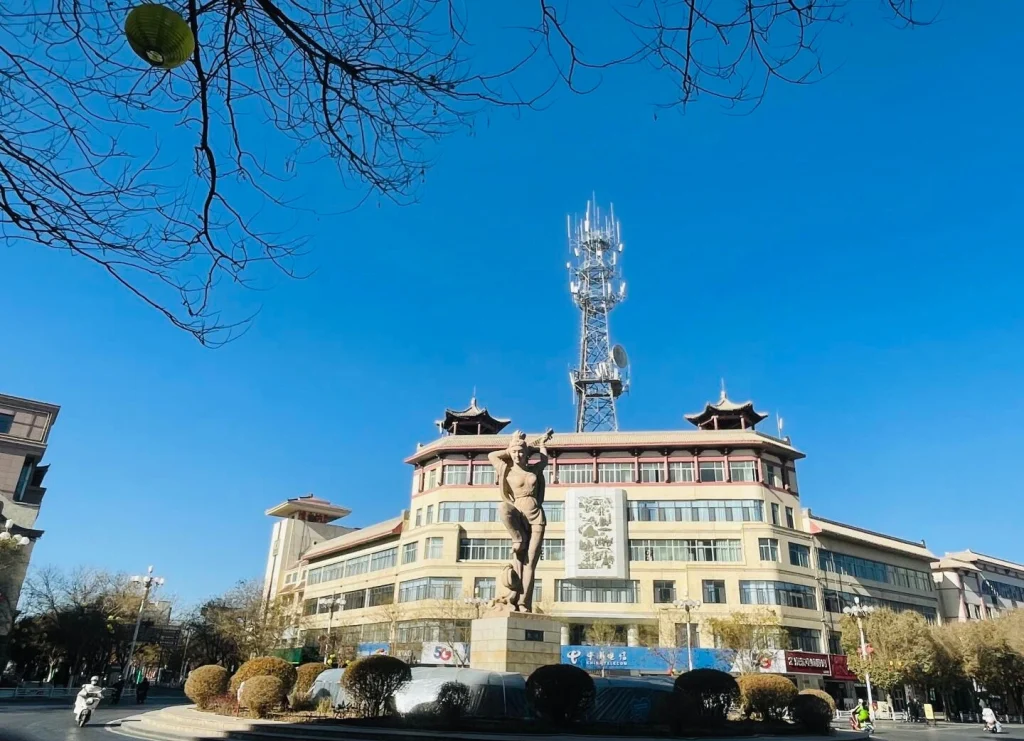
Find the best area to stay in Dunhuang for first-time trips, desert views, city convenience, unique camps, and practical transit stopovers.

Share your travel ideas, and we’ll help you plan a smooth, personalized trip across China.

Share your travel ideas, and we’ll help you plan a smooth, personalized trip across China.
We’re looking for experienced, part-time local guides to serve international travelers.
Requirements:
• Fluent in at least one foreign language
• 3–5 years guiding international visitors
• Able to operate in multiple regions in China
• Competitive and reasonable pricing
• Proven customer reviews or testimonials
• Professional, reliable, and responsive
• Flexible availability for custom trips
Hi there!
Just a quick heads-up — a helpful user named Volker let me know that some of the non-English content on this site may not be accurate.
This site is a one-person project I run part-time. I research and publish all the content myself, and the translations are currently done by machine (Google Translate). Balancing accuracy and accessibility across multiple languages is a real challenge.
If you spot any errors, I recommend switching to the English version using the button at the bottom left. I’ll continue working to improve the translations over time.
I truly appreciate your understanding. And if you have any suggestions, feel free to leave a comment — it means a lot to me.
— Anthony 2025.6.18


