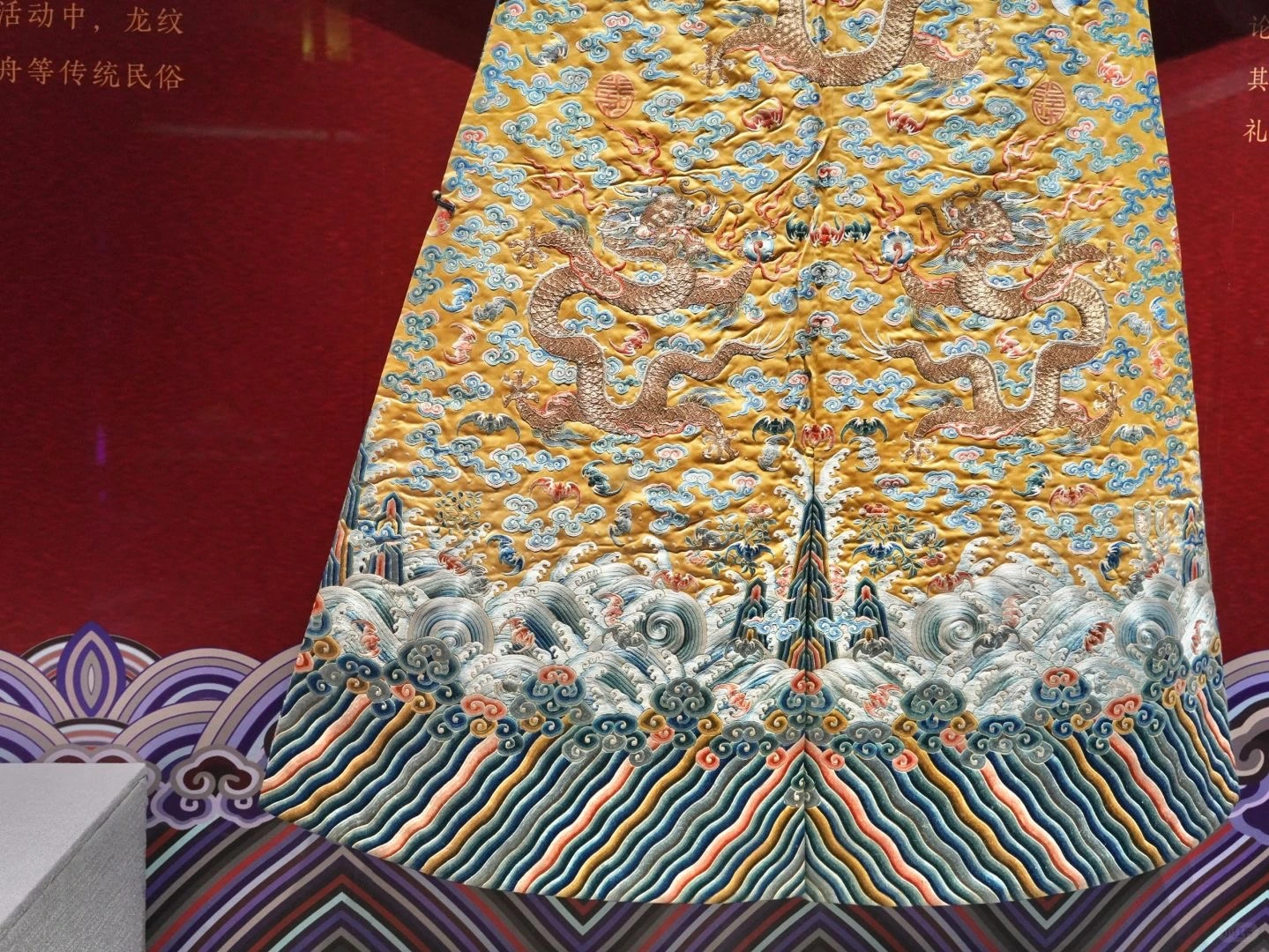
Yellow = Royal Color in Ancient China
In imperial times, only the emperor could wear bright yellow (called “minghuang”).
Anyone else wearing it could be punished, especially during the Tang, Ming, and Qing dynasties.
Even princes wore lighter shades (e.g., apricot yellow), never the emperor’s golden hue.

Cultural and Philosophical Meaning
Yellow wasn’t chosen randomly — it carried deep symbolic meaning in Chinese thought:
🔸 Five Elements Theory (Wuxing):
Yellow represents “Earth”, the central element among Wood, Fire, Earth, Metal, and Water.
The emperor was seen as the center of the universe, ruling from the middle of the world — thus, he wore Earth’s color.
🔸 “Son of Heaven” Concept:
The emperor was called “Tianzi” (Son of Heaven).
He was the bridge between Heaven (sky) and Earth (people), so his clothes reflected this cosmic role.
🔸 Agriculture & Yellow Earth:
China’s earliest civilizations were founded on the Yellow River and yellow soil.
Yellow became a symbol of land, fertility, and the emperor’s duty to protect it.
3. Historical Timeline
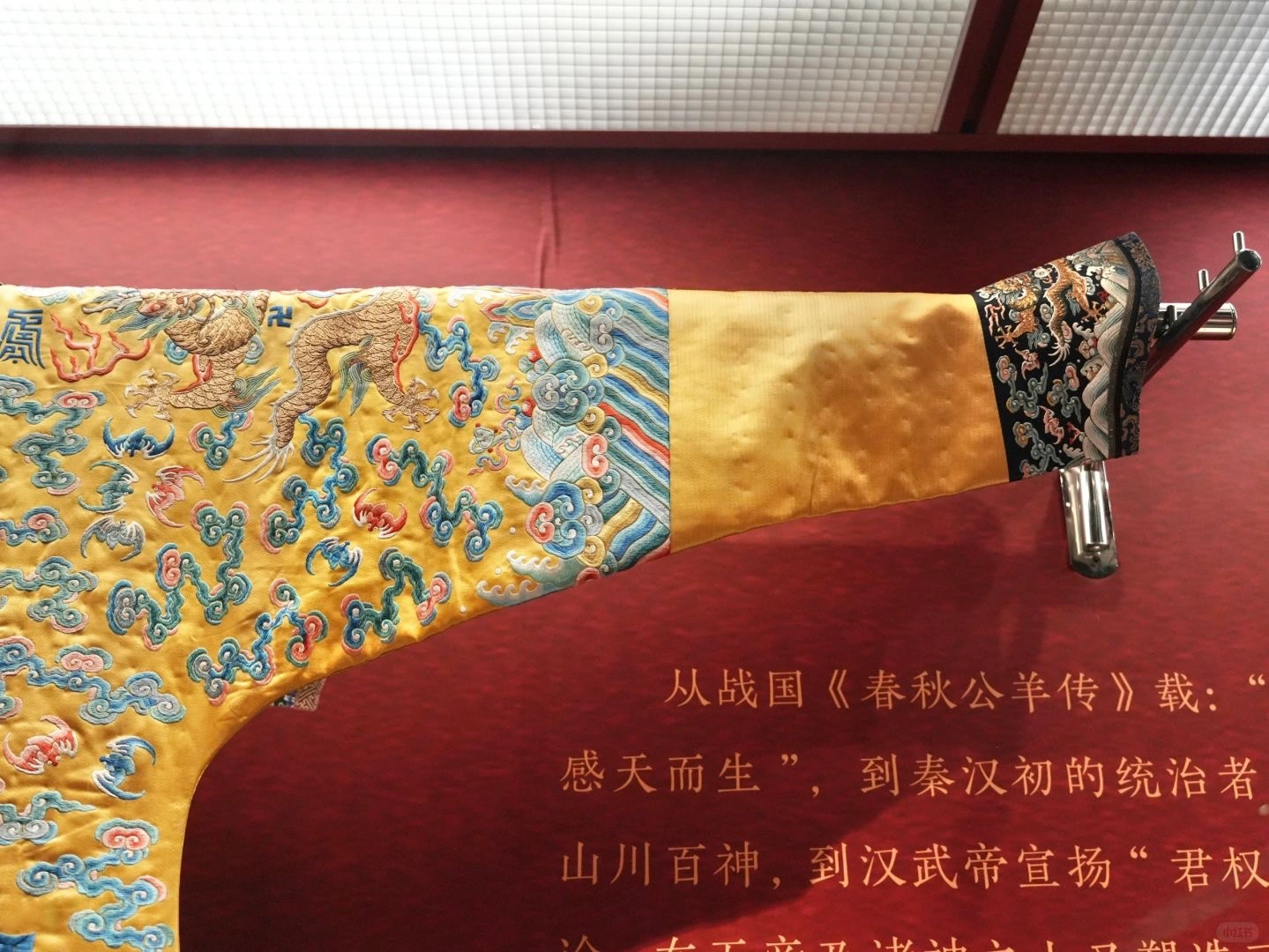
4. Examples in Architecture and Culture
Forbidden City roofs use yellow glazed tiles to signal imperial status.
Edicts and documents were often written on yellow silk.
Even today, Peking Opera uses yellow costumes to represent emperors on stage.