Written by
Anthony
The Longmen Grottoes, located in Luoyang, Henan Province, span 31.7 square kilometers and are a masterpiece of ancient Chinese stone carving.
With over 2,345 niches, 100,000 Buddha statues, and 2,800 inscriptions, this site is the largest collection of Chinese stone carvings, recognized by UNESCO as the pinnacle of Chinese stone art.
Begun in the Northern Wei Dynasty (493 AD) and expanded through the Tang and Song periods, it includes famous sites like the West Hill Grottoes, East Hill Grottoes, and Xiangshan Temple.
Designated as a UNESCO World Heritage Site in 2000, the Longmen Grottoes symbolize the fusion of human civilization and cultural exchange.
| Category | Detail | Category | Detail |
|---|---|---|---|
| Location | Luoyang, Henan Province, China | Total Area | 31.7 square kilometers |
| UNESCO Status | World Heritage Site since 2000 | Notable Sites | West Hill Caves, East Hill Caves, Xiangshan Temple, Baiyuan |
| Cultural Significance | Houses over 100,000 Buddhist statues and 2,800 inscriptions | Began Construction | Northern Wei Dynasty, 493 AD |
| Famous Sculptures | Largest: the 17-meter tall Vairocana Buddha | Artistic Style | Blends Indian, Greek, and Central Asian elements |
| Best Time to Visit | March to October, 8:00 AM – 5:30 PM | Entry Fee | Full price: 90 CNY, Half price: 45 CNY |

The highlight of Longmen Grottoes, featuring 90% of its stone carvings, including intricate sculptures and diverse ancient cave structures.

Known for their detailed Buddhist figures and unique carved settings, these caves showcase the cultural exchange and influence of Tang Dynasty aesthetics.

Nestled in the hills, this historic temple holds a rich cultural legacy, with connections to the famous Chinese empress Wu Zetian and poet Bai Juyi.
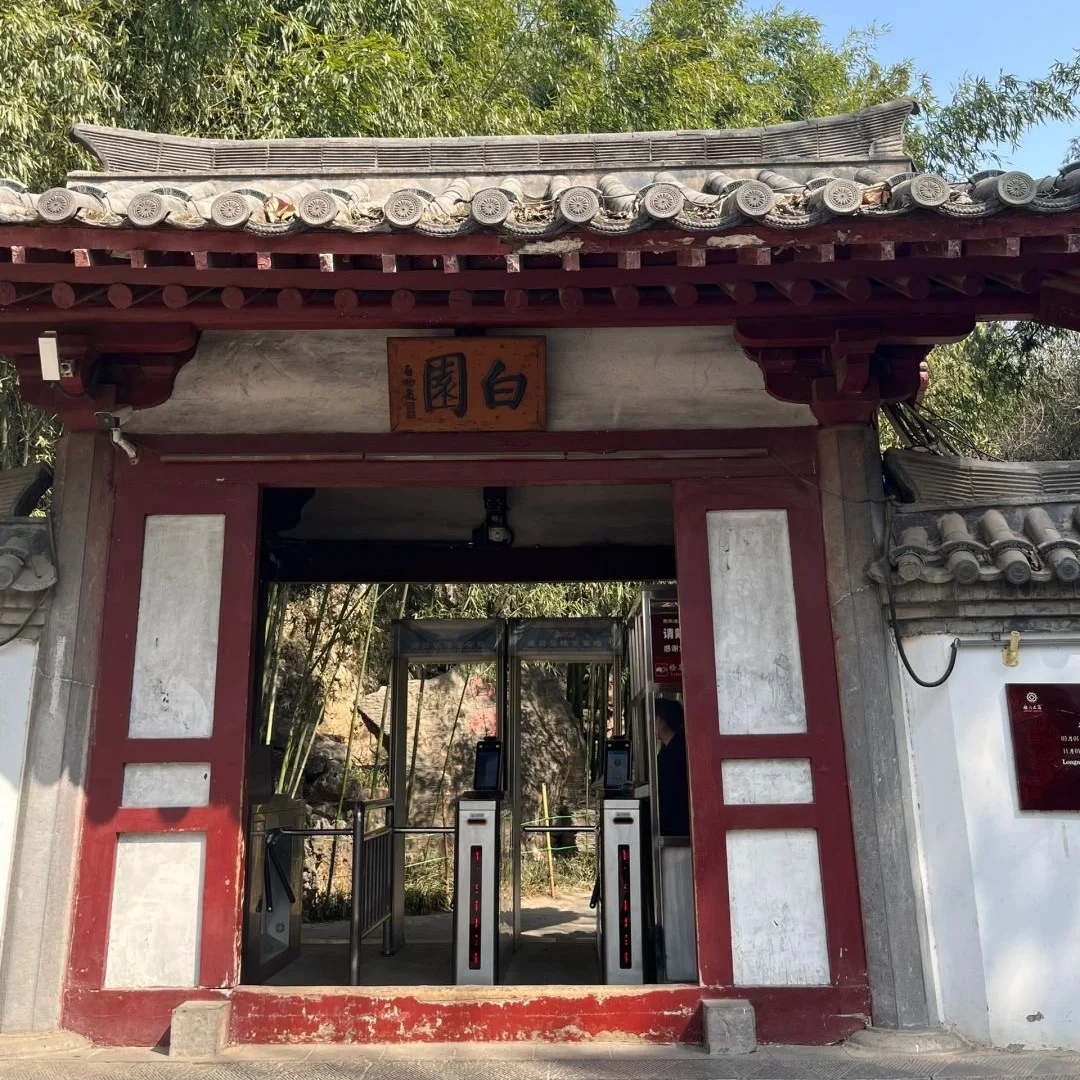
This serene garden serves as the memorial site for poet Bai Juyi, with pavilions and pathways displaying his life and work.

A collection of twenty celebrated inscriptions, showcasing the calligraphic excellence of Northern Wei art and the evolution of Chinese script.

This iconic bridge, associated with the legend of fish leaping over the dragon gate, reflects beautifully in the clear Yi River below.
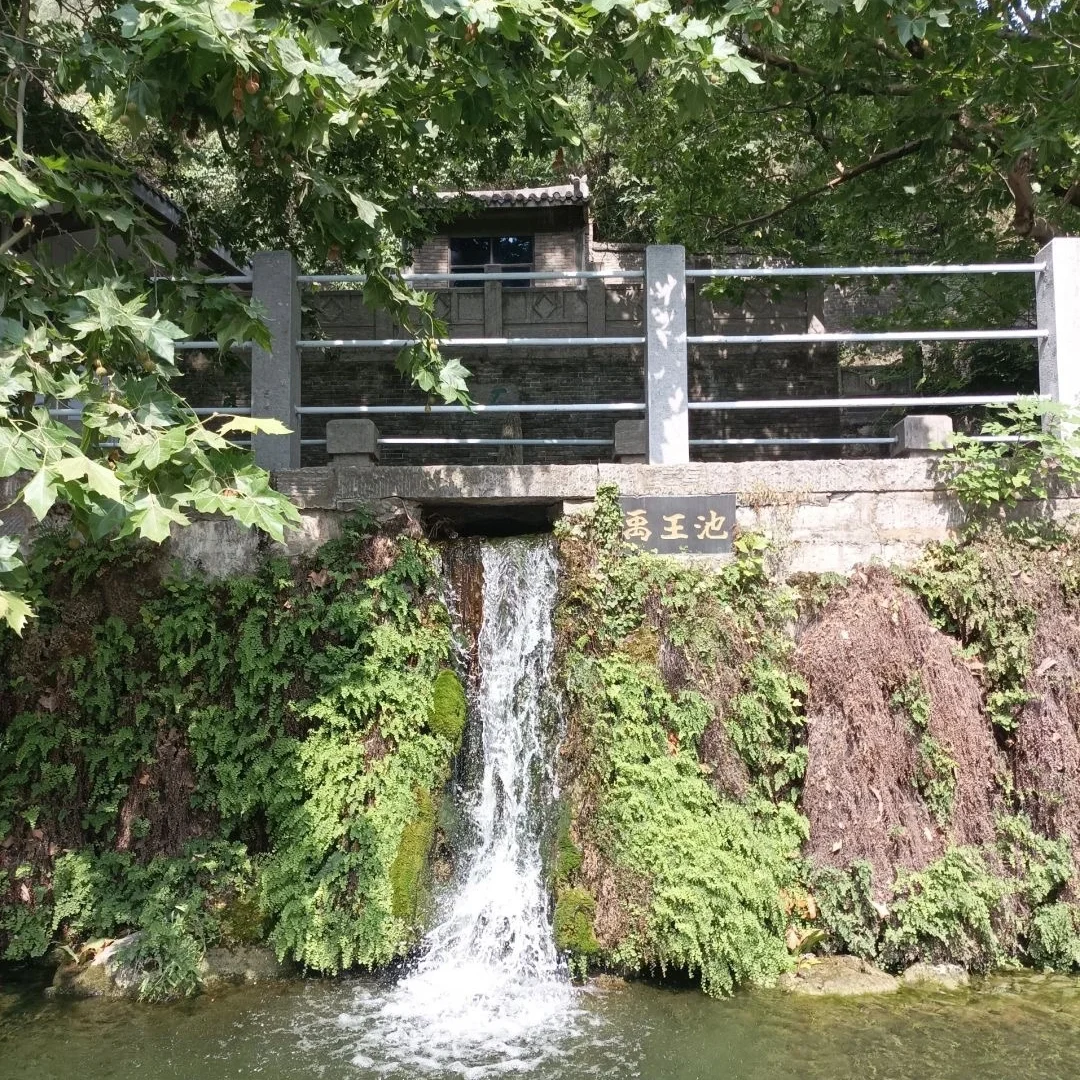
Known for its stunning stalagmite and crystal-clear waters, this pool is a picturesque spot teeming with colorful koi fish.
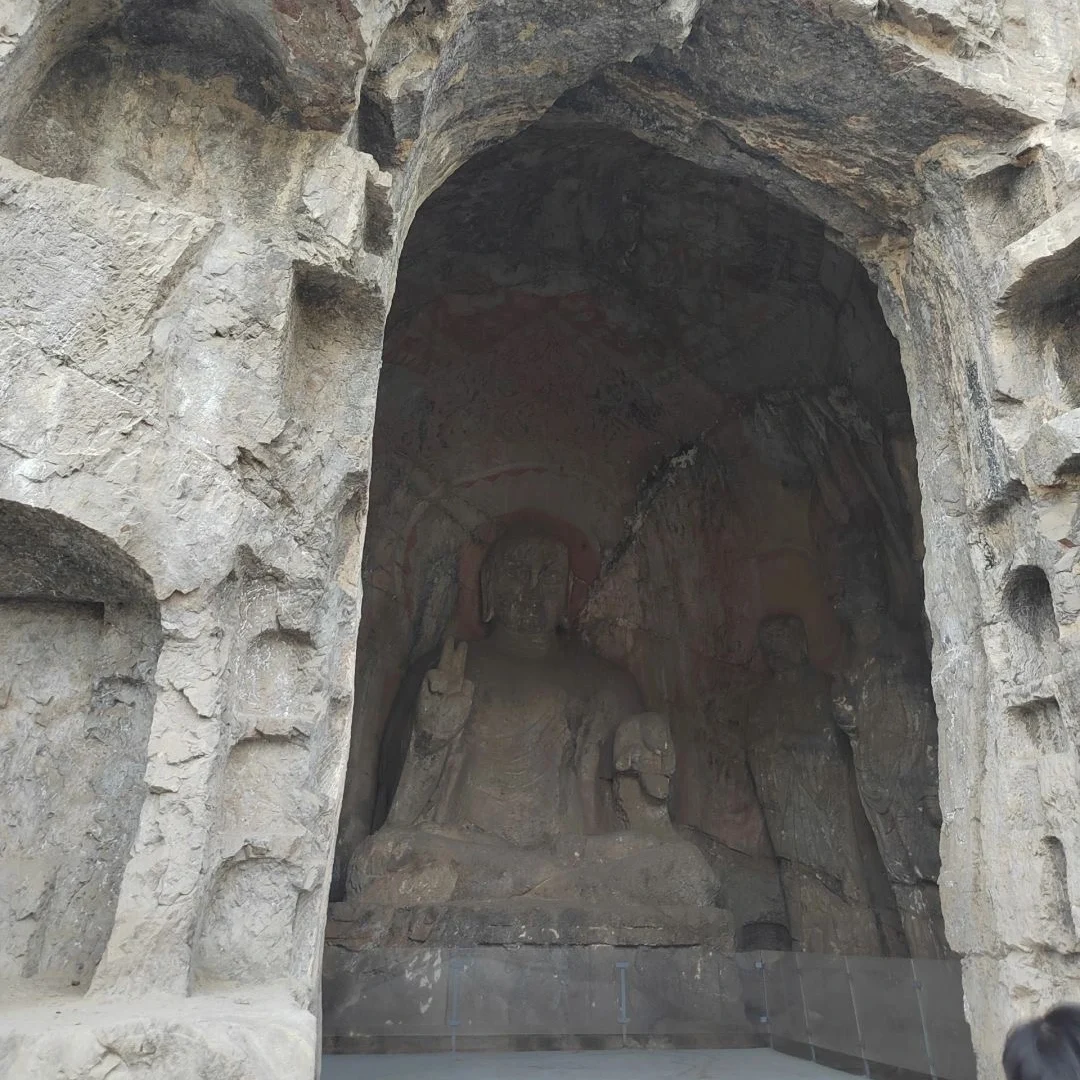
A grand royal cave complex from the Northern Wei era, featuring impressive carvings, intricate murals, and the famous "peace sign" Buddha statue.

Named after a carved lotus on its ceiling, this cave depicts Buddhist motifs, symbolizing purity, and features detailed, miniature Buddha statues.

This cave boasts 15,000 tiny Buddha carvings, showcasing intricate artistry with figures of warriors, guardians, and dancers in the vivid Tang style.

Home to the majestic 17-meter-tall Buddha statue, this cliffside temple is one of the grandest representations of ancient Chinese rock art.

The oldest cave at Longmen, it holds over 1,000 niches and numerous inscriptions, showcasing refined Buddhist sculptures from the Northern Wei dynasty.

Famous for housing China’s oldest stone medical prescriptions, this cave preserves over 140 ancient formulas for ailments and remedies.
The stone inscriptions at Longmen Grottoes are among the most remarkable in China, encapsulating exquisite calligraphy and extensive historical records spanning multiple dynasties.
These inscriptions document not only Buddhist teachings but also the contributions of emperors, nobles, and monks.
Some of the inscriptions were crafted by prominent calligraphers, making them both valuable artifacts of Chinese history and unparalleled examples of classical calligraphy.
The Longmen sculptures represent a rich tapestry of religious and cultural significance, with thousands of Buddhist figures, deities, and musicians intricately carved into the limestone cliffs.
These sculptures highlight a blend of Chinese artistry with influences from Central Asia, showcasing the diversity of styles and the spiritual and cultural exchanges that flourished along the Silk Road for centuries.
Each figure conveys the beliefs and artistic styles of the time, emphasizing harmony, beauty, and spirituality.
The architecture at Longmen Grottoes reveals an extraordinary confluence of global influences.
Alongside traditional Chinese elements, you’ll find Ionian columns from Greece, incorporated into structures in unique ways that harmonize with Indian and Chinese architectural forms.
This blending of styles reflects Longmen’s status as a crossroads of civilizations, with design elements that are both structurally impressive and aesthetically captivating.
The decorative patterns and motifs within the Longmen Grottoes are testaments to the Silk Road’s far-reaching cultural impact.
Many designs, such as flowing grapevine patterns and symbolic lotus flowers, showcase artistic innovation inspired by the West.
These intricate decorations blend seamlessly with Buddhist iconography, embodying the artistic dynamism and cross-cultural exchanges that shaped the aesthetics of the grottoes over centuries.
The Longmen Grottoes are considered the pinnacle of Chinese stone carving art, containing over 100,000 Buddha statues, 2,800 inscriptions, and 2,345 niches. UNESCO has recognized it as the highest peak of Chinese stone carving art and a world cultural heritage site.
The construction began in 493 AD during the Northern Wei Dynasty when Emperor Xiaowen moved the capital to Luoyang. It saw significant development through the Tang Dynasty, becoming a symbol of imperial and cultural influence over 1,400 years.
Key attractions include the Western Hill Grottoes, Eastern Hill Grottoes, Xiangshan Temple, Bai Garden, and the renowned Luoyang Buddha. The Fengxian Temple and Lotus Cave are highlights, showcasing the artistic and spiritual grandeur of the site.
The grottoes exhibit influences from Indian, Central Asian, and Chinese styles, evident in their sculptures, architecture, and inscriptions. This fusion demonstrates the spread of Buddhism and cultural interactions along the Silk Road.
Since 1953, significant preservation initiatives have been undertaken, including establishing the Longmen Research Institute, conducting archaeological studies, and using digital restoration to protect and enhance the grottoes’ accessibility and historical integrity.

Discover how to boost productivity, harmony, and wealth with authentic Office Feng Shui tips—straight from a Chinese Feng Shui master. Easy steps for any workspace.
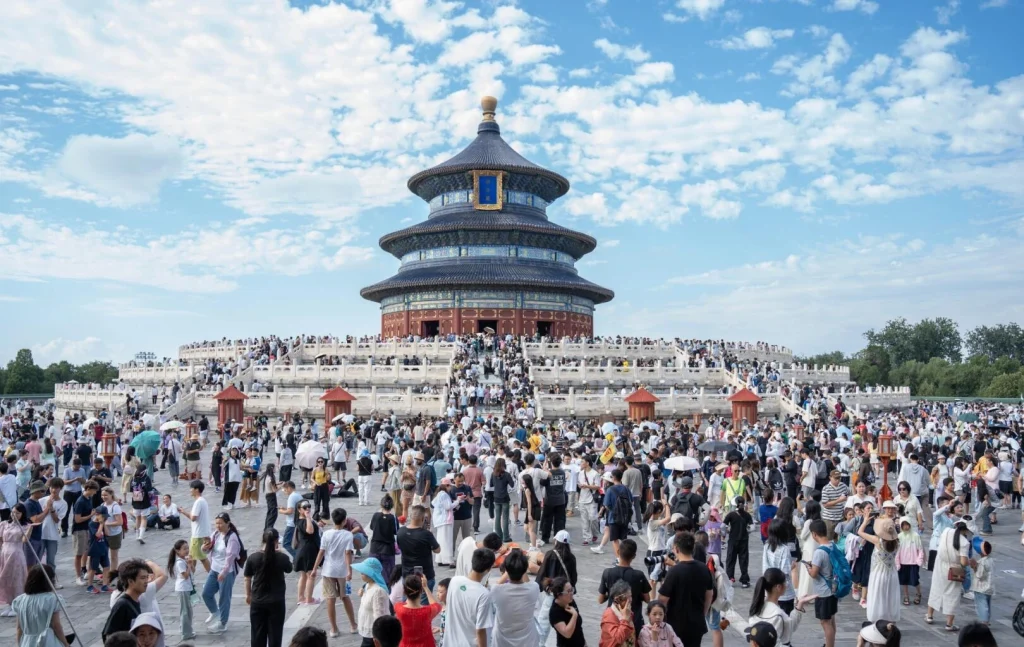
Beijing’s population in 2024 is 21.83 million, with a steady decline since 2017 as the city shifts from expansion to high-quality development.

Discover the ultimate Shanghai travel guide with must-visit attractions, practical tips, dining recommendations, and transportation advice for an unforgettable trip!

The Chinese dragon (Loong) is a legendary symbol of power, luck, and prosperity in Chinese culture, representing control over water, weather, and harmony.

China is not fully cashless, but mobile payments dominate daily life. Apps like WeChat Pay and Alipay cover most transactions, while cash remains a backup for seniors, rural areas, and emergencies.

Mooncakes are traditional Chinese pastries, round and rich, symbolizing reunion during Mid-Autumn Festival, often filled with sweet or savory fillings.
Share your travel ideas, and we’ll help you plan a smooth, personalized trip across China.
We’re looking for experienced, part-time local guides to serve international travelers.
Requirements:
• Fluent in at least one foreign language
• 3–5 years guiding international visitors
• Able to operate in multiple regions in China
• Competitive and reasonable pricing
• Proven customer reviews or testimonials
• Professional, reliable, and responsive
• Flexible availability for custom trips
Hi there!
Just a quick heads-up — a helpful user named Volker let me know that some of the non-English content on this site may not be accurate.
This site is a one-person project I run part-time. I research and publish all the content myself, and the translations are currently done by machine (Google Translate). Balancing accuracy and accessibility across multiple languages is a real challenge.
If you spot any errors, I recommend switching to the English version using the button at the bottom left. I’ll continue working to improve the translations over time.
I truly appreciate your understanding. And if you have any suggestions, feel free to leave a comment — it means a lot to me.
— Anthony 2025.6.18