Written by
Anthony

Zhejiang is one of China’s most rewarding travel destinations, where poetic landscapes, ancient civilization, and refined cuisine come together naturally.
Known as the heart of Jiangnan culture, the province blends famous water towns, misty mountains, and coastal scenery with over 5,000 years of continuous history.
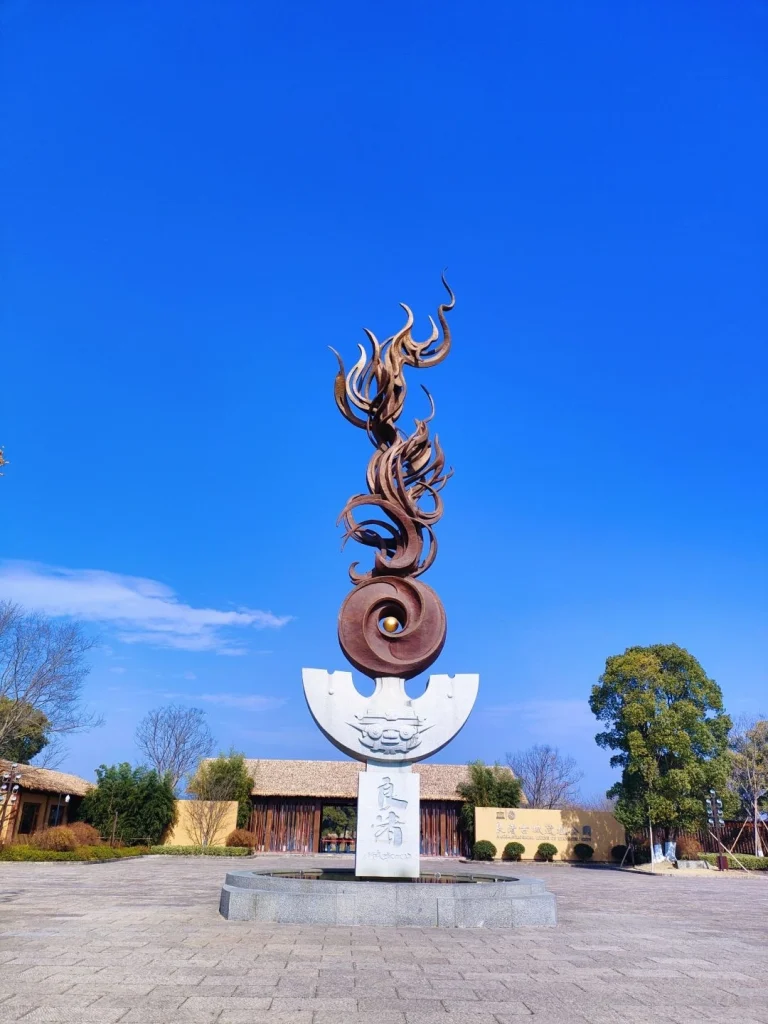
Home to three UNESCO World Heritage Sites—West Lake, Liangzhu Ancient City, and Mount Jianglang—Zhejiang offers both iconic landmarks and quieter hidden gems such as Wuzhen, Yandang Mountain, and the Yunhe Rice Terraces.
It is also a cultural stronghold of Song Dynasty heritage, traditional arts, and Chinese martial-arts literature.
Zhejiang’s light, fresh cuisine and deep tea culture complete the experience, making it an ideal destination for travelers who want to see beautiful China, understand its culture, and enjoy its everyday flavors—all in one journey.
Located on China’s southeastern coast, on the southern edge of the Yangtze River Delta
Borders the East China Sea to the east; Fujian to the south; Jiangxi and Anhui to the west; Shanghai and Jiangsu to the north
Total land area: about 105,500 km²; sea area: about 260,000 km²
Administered as 11 prefecture-level cities, including Hangzhou and Ningbo (sub-provincial), plus Wenzhou, Jiaxing, Huzhou, Shaoxing, Jinhua, Quzhou, Zhoushan, Taizhou, and Lishui
Subtropical monsoon climate with four distinct seasons
Average annual temperature: 15–18°C
January average: 3–8°C (coldest month); July average: 27–30°C (hottest month)
Annual rainfall: 1,100–2,200 mm
Plum rain season: May–June; occasional typhoons: July–September
2024 GDP: approximately RMB 9.01 trillion, ranking 4th nationwide
Strong private economy and high overall living standards
Total population: about 66.7 million (end of 2024)
19 national 5A scenic areas (as of 2025), including West Lake, Mount Putuo, Mount Yandang, Wuzhen, and Xitang
3 UNESCO World Heritage Sites: West Lake, Liangzhu Ancient City, and Mount Jianglang (China Danxia)
Zhejiang has four distinct seasons, but spring and autumn offer the best travel experience with mild weather, beautiful scenery, and comfortable temperatures.
For a broader seasonal comparison across the country, see Best & Worst Time to Visit China.
Temperatures range from 12–28°C (54–82°F), with relatively light rainfall.
This is the best season for cherry blossoms and tea picking.
Highlights include cherry blooms at Taiziwan Park in Hangzhou, fresh spring scenery around Shaoxing’s East Lake, and spring farming views at the terraced fields in Lishui.
It’s ideal for sightseeing and cultural exploration.
With temperatures between 15–26°C (59–79°F), autumn is widely considered the best time to visit Zhejiang.
The weather is dry and clear, osmanthus flowers scent the air in Hangzhou, water towns like Wuzhen look especially atmospheric, and Yunhe Rice Terraces showcase their famous “harvest drying” scenes.
Temperatures rise to 25–35°C (77–95°F).
Early summer brings the plum rain season, and typhoons may occur from July to September.
To escape the heat, head to Moganshan in western Zhejiang for cooler mountain air, or visit the Zhoushan Islands for coastal views and seaside relaxation.
Temperatures range from 5–15°C (41–59°F).
Winters are damp but rarely snowy.
This is a good season for hot springs in Wuyi, visiting historic towns, and experiencing local New Year customs.
It’s also a budget-friendly time to travel with fewer crowds.
Travel Tips
Avoid mountain hiking during the plum rain season (June–July) due to slippery trails.
Monitor typhoon alerts from August to September, especially if traveling to coastal areas.
Zhejiang is easy to reach from overseas and well connected within China, making it a convenient stop for first-time and repeat visitors.
For a system-level overview of how to travel between cities and regions in China, see our China Transportation Guide.
The main international gateway is Hangzhou Xiaoshan International Airport, which operates 30+ direct international and regional routes in the 2025 winter schedule, covering East Asia, Southeast Asia, Europe, and the Middle East.
The airport has clear English signage, currency exchange services, and smooth immigration procedures.
Ningbo Lishe International Airport is another option, with direct flights to East and Southeast Asia, including new routes to Vientiane, Laos.
Many travelers fly into Shanghai first, then continue to Zhejiang by high-speed train.
Trains from Shanghai reach Hangzhou in as little as 28 minutes and Jiaxing in about 29 minutes.
Tickets can be purchased through the English version of the 12306 system, and passengers can enter stations by scanning passports at supported gates or using staffed entrances.
Zhejiang has full high-speed rail coverage.
Major cities across China offer direct trains to Hangzhou, Ningbo, Shaoxing, and other key destinations.
Travel between cities within Zhejiang typically takes 1–2 hours, making multi-city trips easy and efficient.
Intercity buses connect Zhejiang with most parts of China.
In cities like Hangzhou and Ningbo, tourist transport hubs offer direct shuttle buses to popular water towns such as Wuzhen and Xitang, providing a budget-friendly alternative to trains.
Travel within Zhejiang is fast and convenient.
Whether you prefer high-speed trains, driving, or local transport, moving between cities and attractions is easy.
Zhejiang has full high-speed rail coverage, with Hangzhou as the main hub forming a one-hour travel circle across the province.
For routes, ticket booking, and station tips, see China’s High-Speed Rail (HSR).
Hangzhou ↔ Ningbo: about 1 hour
Hangzhou ↔ Wenzhou: about 1 hour
Hangzhou ↔ Shaoxing / Jiaxing: about 30 minutes
Many stations connect directly to major attractions.
For example, Tongxiang Station has direct shuttles to Wuzhen, and Qiandaohu Station connects to the Jiangjia scenic area.
Driving is suitable for travelers who want flexibility, especially in rural or scenic areas.
Rental cars are available at major airports and high-speed rail stations; a passport is required
Expressways are well maintained; the general speed limit is 120 km/h
Lower speed limits apply on routes such as the Zhoushan Sea-Crossing Bridge and in the mountain roads of Lishui, where curves are common
In Hangzhou, license plate restrictions apply during weekday rush hours; short-term permits can be requested via the “Zheli Ban” system (up to 12 times per year)
Long-distance buses and scenic-area shuttles cover the entire province and offer good value.
City bus terminals operate frequent routes to nearby cities and counties
Tourist shuttles run directly from Hangzhou to Wuzhen and Xitang, and between Wuzhen and Xitang
Many scenic areas offer direct transfers from high-speed rail stations, reducing the need for multiple transfers
Urban travel is simple in major cities.
Hangzhou, Ningbo, and Shaoxing have metro systems covering key attractions and shopping areas
Metro and bus rides support Alipay ride codes; international travelers can link Visa or Mastercard, or use physical transit cards
Taxis and ride-hailing services like Didi are widely available, support English notes, and start at around RMB 10 within city areas
Hangzhou is one of China’s most historic capitals and the cultural heart of Jiangnan.
It blends poetic landscapes, ancient heritage, and modern city life, making it the main hub for exploring Zhejiang.
West Lake is free to visit and is one of China’s most famous scenic areas.
Its classic views—such as Su Causeway in Spring and Broken Bridge in Snow—capture the essence of Jiangnan poetry and folklore, including the Legend of the White Snake.
The entire area has English signage, and boat cruises offer English commentary, making it easy for international visitors to enjoy.
This UNESCO World Heritage Site has an entrance fee of RMB 80 and provides solid evidence of Chinese civilization over 5,000 years ago.
Highlights include the palace area, ancient water systems, and jade artifacts such as the famous jade cong and jade axe.
Open for free entry with advance reservation, Lingyin Temple is one of China’s most important Buddhist temples.
The surrounding hills feature thousands of years of stone carvings and quiet temples hidden in the forest.
With a ticket price of RMB 310 including the main show, Songcheng recreates daily life in the Song Dynasty.
The signature performance Romance of the Song Dynasty includes English subtitles and combines dance, music, and storytelling.
It’s one of the best places to experience Song-era culture in an immersive way.
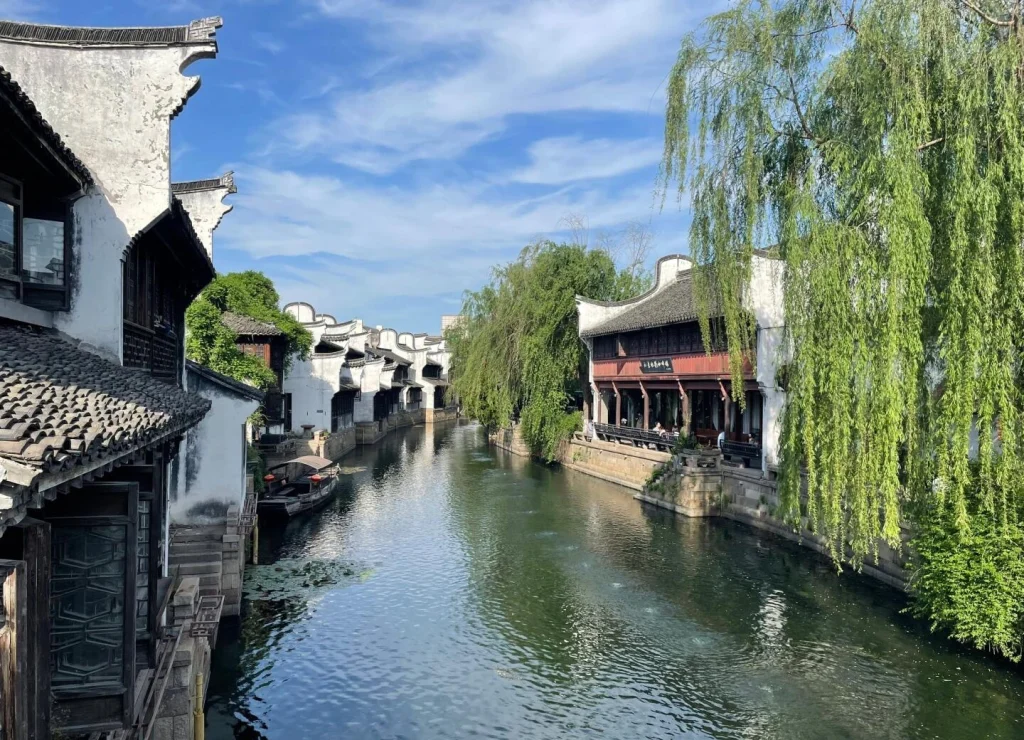
Jiaxing is one of the best places to experience traditional Jiangnan water towns at their most authentic.
Crisscrossed canals, stone bridges, and white-walled houses define its gentle scenery and slow-paced lifestyle.
Wuzhen is the most iconic water town in Zhejiang and a textbook example of Jiangnan architecture.
Tickets cost RMB 100 for East Scenic Area, RMB 120 for West Scenic Area, or RMB 150 for a combined pass.
The West Scenic Area is especially famous for its night views, where lantern lights reflect on calm waterways, creating a poetic atmosphere.
With an entrance fee of RMB 95, Xitang feels more lively and residential than many other ancient towns.
Its long covered corridors, narrow alleys, and waterside homes show how locals have lived here for centuries.
Night boat rides offer a relaxed way to enjoy the scenery, and English guided tours can be arranged to better understand the town’s history and folk traditions.
Shaoxing is one of China’s most culturally rich ancient cities, known for its literary heritage, classical gardens, and centuries-old wine traditions.
The city blends quiet waterways with deep intellectual history, offering a slower and more reflective travel experience.
Admission is free with reservation.
This historic neighborhood preserves the former residence of Lu Xun, one of China’s most influential modern writers, along with Sanwei Study Hall and related sites.
Walking through the narrow lanes feels like stepping into scenes from Chinese literature textbooks.
With an entrance fee of RMB 40, Shen Garden is a refined Song-dynasty classical garden famous for the tragic love story of poet Lu You and Tang Wan.
Elegant pavilions, winding paths, and tranquil ponds create a poetic atmosphere.
In the evening, the “Night at Shen Garden” performance offers English narration, allowing visitors to experience the story in an immersive way.
Tickets cost RMB 50.
Often described as a “landscape bonsai,” Donghu Lake combines steep stone cliffs, calm waters, and compact scenery.
A traditional black-canopy boat ride (RMB 80 per boat) is highly recommended, with boatmen offering simple English explanations along the route.
It’s a quiet, photogenic spot that showcases Shaoxing’s natural charm.
Ningbo is a historic port city where maritime culture meets scholarly tradition.
As one of China’s oldest coastal trading hubs, it blends ocean scenery, Buddhist heritage, and refined book culture into a calm yet cosmopolitan travel experience.
The combined ticket costs RMB 210 and covers Xikou Town and Xuedou Mountain, with a round-trip cable car priced at RMB 50.
This area connects modern Chinese history with natural landscapes, featuring former residences of Chiang Kai-shek alongside forested mountains and waterfalls.
Admission is RMB 30.
Tianyi Pavilion is the oldest surviving private library in China, housing over 300,000 ancient books and manuscripts.
The elegant architecture and serene courtyards reflect traditional Chinese scholarly values.
Wenzhou is a dramatic landscape where mountains meet the sea, shaped by millions of years of geological change.
Less crowded than northern Zhejiang, it is ideal for travelers who enjoy raw nature, legends, and scenic hiking with ocean influences.
A UNESCO Global Geopark, Yandang Mountain is famous for its sharp peaks, deep valleys, and waterfalls formed by volcanic activity.
Tickets are priced separately: Lingyan Scenic Area is RMB 50, and Lingfeng Day View is RMB 45.
Known for the “Three Wonders of Yandang” (Lingfeng, Lingyan, and Dalongqiu Waterfall), the area offers constantly changing views with rich folklore tied to each rock formation.
Huzhou is known for its tranquil lifestyle, blending mountain retreats with refined water-town heritage.
It is a perfect destination for travelers seeking relaxation, greenery, and a quieter side of Jiangnan away from large crowds.
Entrance costs RMB 80.
Moganshan is one of China’s four classic summer resorts, celebrated for its bamboo forests, cool climate, and historic villas built during the Republican era.
The area is ideal for hiking, nature walks, and countryside stays.
The combined ticket costs RMB 100.
Unlike typical Jiangnan water towns, Nanxun features a rare blend of traditional Chinese residences and Western-style architecture from the late Qing period.
Highlights include the Zhang Shiming Former Residence, where European design meets Jiangnan elegance.
Lishui is Zhejiang’s most unspoiled region, known for misty mountains, ancient villages, and terraced landscapes shaped by centuries of farming life.
It is ideal for travelers seeking nature, photography, and authentic rural culture away from busy tourist routes.
Entrance costs RMB 80.
Yunhe Rice Terraces are considered among the most beautiful terraced fields in China, with layered fields climbing the mountainsides.
The scenery changes dramatically with the seasons—lush green in spring, golden during autumn harvest, and misty at sunrise.
The area is especially popular with photographers, and viewing platforms have clear signage, with basic English explanations at major points.
Free to visit.
Songyang preserves a cluster of well-kept Ming and Qing dynasty villages, known for rammed-earth houses, stone paths, and untouched rural layouts.
Villages such as Yangjiatang are set against terraced hills and old trees, offering a strong sense of traditional Chinese countryside life.
The area is lightly developed, quiet, and highly atmospheric—perfect for slow travel and cultural immersion.
Zhejiang offers hands-on ways to experience China’s living heritage—from refined performing arts to seasonal festivals and elegant Song Dynasty traditions.
These activities are easy to understand, highly interactive, and well suited to international travelers.
Yue Opera is one of China’s most famous traditional operas, known for its soft melodies and elegant costumes.
Free weekly performances with English subtitles are held at the Hangzhou Yue Opera Art Center and Shaoxing Shen Garden.
You can also try opera costume photography for around RMB 80, a memorable way to engage with classical Chinese theater.
Longquan in Lishui is the birthplace of Chinese celadon, prized for its jade-like glaze.
At Longquan Celadon Town, visitors can try wheel-throwing and glazing under expert guidance.
The experience costs about RMB 150, and finished pieces can be shipped overseas.
Dongyang wood carving is a traditional craft used in temples and historic buildings.
At Dongyang Wood Carving City, you can carve small decorative items featuring auspicious floral and bird patterns.
The hands-on workshop costs around RMB 120 and offers insight into traditional craftsmanship.
A signature craft of Wuzhen, this indigo-dyed fabric uses natural dyes and traditional patterns.
In Wuzhen West Scenic Area, visitors can join a simple printing workshop and make scarves or handkerchiefs for about RMB 50—light, practical, and easy to take home.
With over 2,500 years of history, Shaoxing yellow wine is one of China’s oldest alcoholic drinks.
At the Shaoxing Yellow Wine Town, visitors can learn basic brewing techniques and cultural background.
The experience costs around RMB 80 and includes a small jar of homemade wine.
Zhejiang’s Spring Festival celebrations are lively and immersive.
Hangzhou’s Hefang Street hosts bustling New Year markets, while water towns like Wuzhen and Xitang feature traditional customs such as rice-cake making, couplet writing, and lantern displays.
Eating rice cakes symbolizes progress and good fortune for the coming year.
During the Dragon Boat Festival, races are held on the Qiantang River in Hangzhou and South Lake in Jiaxing.
Colorful dragon boats race to loud drumbeats, creating an exciting atmosphere.
Some locations allow visitors to sign up for rowing experiences, offering a deeper connection to the festival’s spirit.
Mid-Autumn Festival focuses on reunion and moon appreciation.
Popular spots include West Lake in Hangzhou and East Lake in Shaoxing.
Locals gather to eat mooncakes, enjoy osmanthus blossoms, and play lantern riddle games, creating a gentle and romantic festival mood.
Traditional water-town weddings can still be observed in Wuzhen and Xitang.
The ceremony often includes a bride arriving by wooden boat, dressed in red, with villagers offering blessings along the canals.
Some places also offer traditional wedding costume photography for visitors.
Originating in the Song Dynasty, this refined tea practice involves whisking powdered tea into a fine foam.
In Hangzhou and Shaoxing, guided sessions teach each step in a simple, approachable way, allowing visitors to experience the elegance of ancient scholar life.
In places like Hangzhou Songcheng and Shaoxing Old Town, visitors can rent Song-style clothing and stroll through historical settings.
The designs are simple and elegant, and the experience costs around RMB 50, making it ideal for photography and immersive exploration.
A popular pastime among ancient scholars, this game involves tossing arrows into a pot.
It is easy to learn, free to play in many cultural venues, and great for families or groups.
Through play, visitors gain insight into traditional Chinese leisure culture.
Zhejiang cuisine, one of China’s Eight Great Culinary Traditions, is known for its light, fresh, and refined flavors.
It reflects the Jiangnan lifestyle—elegant, seasonal, and health-minded—and is an essential way to understand everyday life in this region.
Zhejiang cooking emphasizes natural flavor and seasonal eating.
The guiding idea is “eat what’s in season”, using the freshest ingredients available.
Dishes are lightly seasoned with minimal oil and salt to highlight the original taste of fish, meat, and vegetables, while also supporting balance and well-being.
Culinary styles vary across the province.
Northern Zhejiang (Hangzhou–Jiaxing–Huzhou) favors mildly sweet and delicate flavors.
Eastern Zhejiang (Shaoxing–Ningbo) leans toward savory and fresh seafood tastes.
Southern Zhejiang (Wenzhou–Lishui) focuses on aromatic freshness, letting ingredients speak for themselves.
This diversity makes Zhejiang cuisine approachable for many palates.
Tea is part of daily life in Zhejiang.
West Lake Longjing is prized for its gentle aroma and smooth finish, while Anji White Tea offers a clean, refreshing aftertaste.
Shaoxing yellow rice wine, with over 2,500 years of history, can be gently warmed for drinking or used in cooking to enhance flavor.
Both tea and wine are enjoyed slowly, reflecting the region’s relaxed rhythm of life.
At banquets and family gatherings, dishes are usually served in even numbers to symbolize good fortune, while the number four is traditionally avoided.
When toasting, cups are held with both hands as a sign of respect, and guests are never pressured to drink.
Taking only what you can finish is considered good manners, as avoiding food waste is a shared cultural value.
Light, slightly sweet, and elegant, Hangzhou cuisine focuses on freshness, balance, and refined presentation.
West Lake Vinegar Fish (西湖醋鱼) – Sweet-and-sour flavor with tender, delicate fish (**PS: Famous, yes. Universally loved? Not really—even many Chinese diners skip it. Consider this a “try once” dish.)
Dongpo Pork (东坡肉) – Slow-braised pork belly, soft and rich but not greasy
Longjing Shrimp (龙井虾仁) – Fresh shrimp infused with fragrant green tea
Song Sister Fish Soup (宋嫂鱼羹) – Smooth, warming soup with a mild savory taste
Savory and aromatic, Shaoxing food is deeply influenced by rice wine and homestyle cooking.
Drunken Chicken (绍兴醉鸡) – Chilled chicken marinated in Shaoxing wine
Braised Pork with Dried Greens (梅干菜扣肉) – Soft pork with salty-sweet preserved vegetables
Fennel Beans (茴香豆) – Chewy, lightly salty snack often served with wine
Pork with Wu Dried Greens (乌干菜烧肉) – Rustic, comforting dish with strong local character
Soft, mildly sweet, and symbolic, these snacks reflect the gentle lifestyle of Jiangnan water towns.
Jiaxing Zongzi (嘉兴粽子) – Sticky rice dumplings with pork or red bean filling
Xitang Gorgon Fruit Cake (西塘芡实糕) – Soft, lightly sweet traditional rice cake
Wuzhen Ding Sheng Cake (乌镇定胜糕) – Fluffy rice cake symbolizing good fortune
Fresh and clean-tasting, Ningbo cuisine highlights seafood in its most natural form.
Ningbo Tangyuan (宁波汤圆) – Glutinous rice balls with sweet fillings
Raw Marinated Crab with Roe (红膏呛蟹) – Salty-fresh crab with rich roe
Yellow Croaker with Pickled Greens (雪菜大黄鱼) – Light yet umami-rich seafood dish
Ningbo Rice Cakes (宁波年糕) – Chewy rice cakes used in many savory dishes
Light and aromatic, Ou cuisine emphasizes freshness from both mountains and the sea.
Wenzhou Fish Balls (温州鱼丸) – Bouncy texture with delicate broth
Dengzhan Cake (灯盏糕) – Crispy outside, soft inside savory snack
Stir-Fried Glass Noodles (炒粉干) – Fragrant and well-seasoned noodles
Nanxi River Plain Noodles (楠溪江素面) – Simple, clean-flavored noodle dish
Naturally sweet and not heavy, Zhejiang desserts focus on texture rather than sugar.
Double-Stuffed Rice Dumplings (双酿团) – Soft glutinous dumplings with layered fillings
Shaoxing Cream Pastry (绍兴奶油小攀) – Rich but balanced traditional pastry
Huzhou Thousand-Sheet Bun (湖州千张包子) – Unique bun with tofu-skin wrapper
Hefang Street (河坊街) – Traditional snacks and local specialties
Shengli River Food Street (胜利河美食街) – Authentic Hangzhou restaurants
Zhiwei Guan Branches (知味观) – Classic tea snacks and local dishes
Wuzhen West Scenic Food Street (乌镇西栅美食街) – Water-town specialties
Xitang West Street (西塘西街) – Lively street food atmosphere
Yuehe Old Street (月河老街) – Famous zongzi shops and local eats
Lu Xun Native Place Snack Street (鲁迅故里小吃街) – Classic Shaoxing snacks
Cangqiao Straight Street (仓桥直街) – Traditional dishes cooked with rice wine
Southern Old Street / Nantang (南塘老街) – Seafood and local specialties
Drum Tower Pedestrian Street (鼓楼步行街) – Easy street food and casual dining
Zhiwei Guan (知味观, Hangzhou) – Famous for Hangzhou-style snacks and noodles, approx. 50 CNY per person, English menu available
Louwailou (楼外楼, Hangzhou) – Iconic Hangzhou restaurant by West Lake, approx. 150 CNY per person, English menu available
Xianheng Hotel (咸亨酒店, Shaoxing) – Literary landmark known for fennel beans and rice wine, approx. 80 CNY per person
Wufangzhai (五芳斋, Jiaxing) – Legendary zongzi brand, approx. 30 CNY per person, ideal for dining or takeaway
West Lake Longjing Tea (西湖龙井) – CNY 200–1,000/500g; China’s most famous green tea, sealed and moisture-proof, elegant and regional.
Shaoxing Rice Wine (绍兴黄酒) – CNY 50–200/bottle; 2,500-year heritage, vacuum-packed, drinkable or cookable with clear instructions.
Jiaxing Zongzi (嘉兴粽子) – CNY 80–150/box; vacuum-packed sticky rice dumplings, symbolic and durable.
Jinhua Ham (金华火腿) – CNY 100–300/piece; vacuum-sealed cured ham, long shelf life, easy to portion.
Anji White Tea (安吉白茶) – CNY 150–800/500g; light, refreshing, gentle flavor, premium yet approachable.
Longquan Celadon (龙泉青瓷) – CNY 100–300 (small teaware), CNY 500–2,000 (decor); jade-like glaze, timeless design.
Hangzhou Silk (杭州丝绸) – CNY 80–300 (scarves), CNY 200–500 (sleepwear); lightweight, refined patterns inspired by West Lake.
Dongyang Woodcarving (东阳木雕) – CNY 150–500; intricate auspicious motifs, solid wood, compact keepsakes.
Tongxiang Blue Calico (桐乡蓝印花布) – CNY 30–80; natural dyes, classic patterns, soft and easy to pack.
Qingtian Stone Carving (青田石雕) – CNY 100–400; smooth stone, detailed carving, strong local identity.
Liangzhu Heritage Items (良渚文创) – CNY 30–100; jade-cong magnets, notebooks inspired by world heritage.
Song-Style Cultural Goods (宋韵文创) – CNY 50–200; tea-whisk sets, ceramic bookmarks reflecting Song aesthetics.
West Lake Ten Views Gifts (西湖十景文创) – CNY 20–50; postcards and keychains with iconic scenery.
Museum Souvenirs (博物馆文创) – CNY 40–150; designs drawn from artifacts at Zhejiang Museum and Tianyi Pavilion.
Hangzhou (杭州)
Hefang Street (河坊街): one-stop shopping for local gifts
West Lake Tea Market (西湖茶叶市场): authentic Longjing tea
Zhejiang Museum Gift Shop (浙江省博物馆文创店): official cultural items
Hangzhou Silk City (杭州丝绸城): wide silk selection, good value
Jiaxing (嘉兴)
Wuzhen West Scenic Gift Shops (乌镇西栅文创店): water-town designs
Xitang Handicraft Street (西塘手作街): blue calico and crafts
Wufangzhai Flagship Stores (五芳斋旗舰店): certified zongzi gift boxes
Shaoxing (绍兴)
Lu Xun Native Place Gift Shop (鲁迅故里文创店): literature-themed items
Yellow Wine Museum (黄酒博物馆): authentic Shaoxing wine sets
Lishui (丽水)
Longquan Celadon Town (龙泉青瓷小镇): source-certified celadon
Yunhe Terraces Gift Shop (云和梯田文创店): niche, landscape-inspired gifts
Ningbo (宁波)
Nantang Old Street (南塘老街): vacuum-packed seafood products
Tianyi Pavilion Gift Shop (天一阁文创店): book- and archive-inspired items
Refund Policy: Eligible items (13% VAT) receive an 11% refund; single purchase ≥ CNY 500; within 90 days of departure.
Designated Stores: Popular areas like Hefang Street, West Lake scenic shops, and Wufangzhai are certified refund stores.
2025/2026 Convenience: “Buy-and-Refund” option available—refund issued on-site with credit card pre-authorization; Alipay refund supported.
Required Documents: Passport, receipts, tax refund form; items must be unused and taken out of China.
Refund Airports: Hangzhou Xiaoshan International Airport and Ningbo Lishe International Airport; dedicated counters with English guidance.
Choosing the right place to stay in Zhejiang is easy—whether you want luxury, comfort, or budget-friendly options.
Major cities are foreigner-friendly, with English service common in hotels, and prices remain reasonable.
Luxury (CNY 1,500+/night, full English service)
Four Seasons Hotel Hangzhou at West Lake – Lakeside views, top-tier service, CNY 1,800–3,000
Park Hyatt Hangzhou – Modern skyline location, spa and fine dining, CNY 1,600–2,500
Mid-Range (CNY 300–800/night, easy English communication)
Atour Hotel Hangzhou West Lake – Near West Lake, thoughtful service, CNY 400–600
Ji Hotel Hangzhou Wulin Square – Central location, good transport, CNY 350–550
Budget (CNY 150–300/night, basic English support)
Home Inn Hangzhou West Lake Cultural Plaza – Clean and convenient, CNY 180–280
Hangzhou Youth Hostel (Hefang Street) – Dorm beds CNY 30–60, social atmosphere
Wuzhen
Wuzhen West Scenic Area Guesthouses – Traditional canalside stays, CNY 400–800
Wuzhen Waterside Resort Hotel – High-end, full English service, CNY 1,200–2,000
Xitang
Xitang Old Town Guesthouses – Authentic water-town homes, CNY 150–350
Xitang Misty River Hotel – Comfortable mid-range option, CNY 300–500
Luxury
New Century Grand Hotel Shaoxing – Reliable international service, CNY 600–1,000
Mid-Range
Ji Hotel Shaoxing Lu Xun Native Place – Walkable to key sights, CNY 300–450
Local Character
Shaoxing Old Town Guesthouses – Renovated traditional houses, CNY 180–300
Ningbo
Shangri-La Ningbo – Riverside luxury, strong English service, CNY 1,200–1,800
Ji Hotel Ningbo Tianyi Pavilion – Central and practical, CNY 350–500
Huzhou (Mogan Mountain Area)
Naked Valley Mogan Mountain – Premium eco-resort, CNY 1,500–3,000
Ji Hotel Huzhou Nanxun – Good value near the old town, CNY 300–450
Lishui
Yunhe Rice Terraces Guesthouses – Scenic countryside stays, CNY 200–400
Lishui Huaqiao Hotel – Comfortable upscale option, CNY 500–800
Before deciding how many days to spend and planning a detailed route, it’s helpful to understand how Fujian fits into a broader China travel journey. For a complete overview of regions, city combinations, and travel styles across the country, see our China Travel Guide.
Zhejiang works well for both short breaks and longer, slower trips. Your ideal length depends on how deep you want to go.
3 days – Best for a short stay focused on Hangzhou, covering West Lake, historic streets, and key cultural sites.
7 days – The classic highlight route, linking Hangzhou, Jiaxing, Shaoxing, and Ningbo without backtracking. This balances culture, water towns, history, and food.
10 days or more – A deeper journey across the province, adding mountains, coastlines, and rural areas such as Mogan Mountain, Lishui, or Zhoushan.
For most first-time visitors, 7 days is the most efficient and rewarding choice.
This route links Hangzhou, Jiaxing, Shaoxing, Ningbo, and Huzhou in a smooth loop with no backtracking.
It blends lakes and mountains, water towns, and deep cultural heritage.
High-speed trains and direct shuttles keep travel efficient and comfortable, making it ideal for international travelers who want a relaxed yet immersive Zhejiang experience.
Start with West Lake, walking along Su Causeway and Broken Bridge, or taking a boat ride to enjoy classic lake-and-hill views.
The area has full English signage and audio guides, so it’s easy to explore.
In the evening, head to Hefang Street to sample Hangzhou snacks and feel the old city’s lively street life.
End the day with a peaceful West Lake night view and a Hangzhou-style dinner that highlights the region’s light, fresh flavors.
Spend the morning at the Liangzhu Ancient City ruins, visiting the palace area, ancient water system, and jade museum.
English AR experiences help explain China’s 5,000-year civilization, with the jade cong and jade axe as highlights.
In the afternoon, visit Lingyin Temple, free to enter from December 2025 with advance reservation.
Walk among thousand-year-old stone carvings and forested paths, with English explanations available.
Stay another night in Hangzhou for convenience.
Take a high-speed train (about 1 hour) to Tongxiang, then transfer easily to Wuzhen.
Explore the West Scenic Area at a slow pace, where white-walled houses line quiet canals.
Pick up an English guide map to navigate easily.
In the evening, stay in a waterside guesthouse and enjoy Wuzhen’s famous night views, with lanterns reflecting on the water.
Try local snacks like lotus-seed cakes and Ding Sheng cakes.
Travel by direct shuttle bus from Wuzhen to Shaoxing, avoiding transfers and saving energy.
Visit Lu Xun Native Place in the morning (free with reservation), where clear English signage brings classic literature scenes to life.
In the afternoon, explore Shen Garden, a refined Song-dynasty garden tied to a famous love story.
Stay in Shaoxing’s old city, stroll quiet streets at night, and enjoy local dishes with a small glass of Shaoxing rice wine.
Take a high-speed train (about 1.5 hours) to Ningbo.
Visit Tianyi Pavilion, China’s oldest private library, with over 300,000 ancient books.
English guided tours can be reserved for deeper understanding.
Later, walk through Nantang Old Street to try Ningbo snacks such as tangyuan and rice cakes.
Dinner features fresh local seafood. Stay in central Ningbo for easy access.
Travel to Huzhou by high-speed train, then connect to Nanxun by shuttle.
Nanxun is quieter than many water towns and known for its mix of Jiangnan elegance and Western-style mansions.
Visit Zhang Shiming’s Former Residence to see this cultural blend up close.
With fewer crowds, it’s perfect for a slow walk along canals.
Stay overnight in a Nanxun guesthouse and enjoy the calm evening atmosphere.
Return to Hangzhou and stop at Songcheng for an immersive look at Song Dynasty life.
The park features street scenes, costumed performers, and interactive activities.
The signature show Romance of the Song Dynasty includes English subtitles, making it easy to follow.
Afterward, head to Hangzhou Xiaoshan International Airport for departure.
The airport offers clear English signage and tax refund services, making for a smooth and satisfying end to the trip.
| Travel Style | Total Budget | Accommodation (6 nights) | Food (7 days) | Transport | Tickets & Experiences | Shopping |
|---|---|---|---|---|---|---|
| Budget | ≈ CNY 2,800 / USD 400 | CNY 600–800 / USD 86–114 | CNY 700–900 / USD 100–129 | CNY 300–400 / USD 43–57 | CNY 200–300 / USD 29–43 | CNY 600–800 / USD 86–114 |
| Comfort | ≈ CNY 4,500 / USD 643 | CNY 1,500–1,800 / USD 214–257 | CNY 1,000–1,400 / USD 143–200 | CNY 500–600 / USD 71–86 | CNY 400–500 / USD 57–71 | CNY 700–1,000 / USD 100–143 |
| Premium | ≈ CNY 7,800 / USD 1,114 | CNY 3,000–3,600 / USD 429–514 | CNY 1,800–2,400 / USD 257–343 | CNY 800–1,000 / USD 114–143 | CNY 600–800 / USD 86–114 | CNY 1,200–1,600 / USD 171–229 |
Notes:
Budgets are per person for the 7-day Hangzhou–Jiaxing–Shaoxing–Ningbo–Huzhou route.
Prices reflect typical spending ranges in 2025 and can vary by season and booking time.
Exchange rate used: 1 USD = 7 CNY.
To compare daily travel costs across different regions, see Cost of Travel in China.
If this is your first trip to China, start with China Travel Tips: The Best Guide You Can Find before diving into Zhejiang-specific advice.
Official language: Mandarin Chinese is used nationwide, while Wu dialects are spoken locally. Major attractions, hotels, malls, and transport hubs provide clear English signage.
Getting by: Simple English works in tourist areas; many young locals have basic conversational English. Translation apps are helpful for deeper conversations.
Currency: Chinese Yuan (CNY).
Payments: Alipay and WeChat Pay are widely accepted. Most major hotels, malls, and tourist shops also accept Visa and MasterCard.
Internet: Zhejiang has full 5G coverage. Foreign travelers can buy a local SIM or rent portable Wi-Fi at airports (about CNY 30/day).
For a step-by-step overview of mobile payments, cards, and cash use, see How to Pay in China.
Voltage: 220V.
Plug types: Type A (flat pins) and Type C (round pins). A universal adapter is recommended.
Clothing tips:
Spring/Autumn: light jacket
Summer: sun protection + umbrella
Winter: warm layers (damp cold feels colder than temperatures suggest)
Carry your passport at all times—required for hotel check-in and attraction reservations.
Popular sites may require online reservations; booking platforms and official apps often support English.
Temples: Remove hats, avoid stepping on thresholds, and do not touch statues or ritual objects.
Dining manners: Order reasonably to avoid waste; polite refusal of alcohol is acceptable. Never point at people with chopsticks.
Greetings: A simple smile or “hello” goes a long way—locals are friendly and welcoming.
Emergency numbers:
Police: 110
Ambulance: 120
Tourism complaints hotline: 12301 (English service available)
Major attractions have foreign visitor service desks with bilingual staff.
Eligibility: Spend CNY 500+ in designated tax-free shops.
Refund rate: 11% (from a 13% VAT).
How: Present passport, receipts, and refund forms; complete verification at Hangzhou Xiaoshan or Ningbo Lishe International Airport.
New convenience: “Instant refund” and Alipay refunds are available in selected stores.
Free attractions: West Lake, Lu Xun Native Place, Nantang Old Street, Songyang Ancient Villages.
Combo tickets: Wuzhen East+West Scenic Areas and Yandang Mountain passes offer solid savings.
Eat like a local: Choose old neighborhoods (e.g., Hangzhou Shengli River, Shaoxing Cangqiao Straight Street) for authentic food at better prices.
Personal belongings: Watch valuables in crowded areas; hotels provide safes or storage.
Outdoor safety: Stick to marked trails in mountain areas; wear life jackets when boating in water towns.
Food safety: Choose busy, clean eateries; for seafood, ask for fully cooked dishes if you’re not used to raw food.
Yes. Zhejiang is one of the best regions for first-time visitors because it combines classic Chinese scenery, deep history, and modern travel convenience. Cities like Hangzhou, Suzhou-bordering water towns, and Ningbo are clean, safe, and foreigner-friendly, with good English signage and high-speed rail access.
Zhejiang is best known for West Lake in Hangzhou, ancient water towns like Wuzhen, Chinese tea culture, and Jiangnan-style landscapes. It is also famous for its refined cuisine (Zhejiang cuisine), silk, Longjing tea, and strong historical links to ancient Chinese civilization.
Most travelers need 5–7 days to see Zhejiang’s highlights.
3 days is enough for Hangzhou only.
7 days allows a classic route covering Hangzhou, Wuzhen, Shaoxing, Ningbo, and nearby water towns.
10 days is ideal for adding mountains, coastal areas, and rural villages.
The best time to visit Zhejiang is spring (March–May) and autumn (September–November). During these months, the weather is mild, rainfall is lower, and landscapes are at their most beautiful. Summer can be hot and humid, while winter is cool and damp but less crowded.
Yes. Zhejiang is one of China’s most foreigner-friendly provinces. Major attractions, hotels, transportation hubs, and shopping areas provide English signs and services. High-speed trains, mobile payments, and translation apps make independent travel easy even without Chinese language skills.

Discover the 1989 Earth Snake zodiac meaning and 2026 forecast, including personality, career, wealth, love, health, lucky elements, and practical advice.

Plan your visit to Guangzhou’s Canton Tower with ticket prices, must-do rides, dining, transport, and travel tips for the city’s iconic landmark.

China is almost cashless thanks to mobile payments. Learn when you still need cash and how foreigners can pay easily in China.

The primary language spoken in Hong Kong is Cantonese, a Chinese dialect.
![Aerial night view of Luoyangs vibrant traditional buildings bustling with visitors and bright lights against the city skyline - Luoyang - Attraction, Culture, Food, etc. [November 2026] - The China Journey - Zhejiang Travel Guide: Best Places, Food & Tips 2026 - The China Journey Aerial night view of Luoyangs vibrant traditional buildings bustling with visitors and bright lights against the city skyline - Luoyang - Attraction, Culture, Food, etc. [November 2026] - The China Journey - Zhejiang Travel Guide: Best Places, Food & Tips 2026 - The China Journey](https://www.thechinajourney.com/wp-content/uploads/2024/10/Aerial-night-view-of-Luoyangs-vibrant-traditional-buildings-bustling-with-visitors-and-bright-lights-against-the-city-skyline-1024x576.webp)
Discover the ancient charm of Luoyang with stunning pagodas, vibrant night views, historical artifacts, and serene gardens. A journey through China’s cultural heritage awaits.

Discover how to balance energy in your kitchen using Feng Shui principles from a Chinese master—boost health, harmony, and fortune with layout and element tips.
Share your travel ideas, and we’ll help you plan a smooth, personalized trip across China.
We’re looking for experienced, part-time local guides to serve international travelers.
Requirements:
• Fluent in at least one foreign language
• 3–5 years guiding international visitors
• Able to operate in multiple regions in China
• Competitive and reasonable pricing
• Proven customer reviews or testimonials
• Professional, reliable, and responsive
• Flexible availability for custom trips
Hi there!
Just a quick heads-up — a helpful user named Volker let me know that some of the non-English content on this site may not be accurate.
This site is a one-person project I run part-time. I research and publish all the content myself, and the translations are currently done by machine (Google Translate). Balancing accuracy and accessibility across multiple languages is a real challenge.
If you spot any errors, I recommend switching to the English version using the button at the bottom left. I’ll continue working to improve the translations over time.
I truly appreciate your understanding. And if you have any suggestions, feel free to leave a comment — it means a lot to me.
— Anthony 2025.6.18