

Shanxi is not a single-type destination built around one dominant city. Its appeal comes from the mix of grottoes, old cities, Buddhist mountains, ancient architecture, merchant culture, family compounds, and Yellow River scenery. For first-time visitors, the main question is usually not whether Shanxi is worth visiting, but how to combine it well.
This guide helps you decide whether Shanxi fits your travel style, how to choose between Datong, Pingyao, Mount Wutai, Taiyuan, and Hukou, how many days you need, when to go, and the smartest way to move around. Shanxi works best when you choose the right main route instead of trying to do everything.

Yes — Shanxi is worth visiting, but it is not the best first choice for every first-time China traveler. Its appeal is not one famous landmark, but a strong mix of ancient architecture, grottoes, Buddhist mountains, merchant-history cities, family compounds, Yellow River scenery, and route-based travel. If you are drawn to history, architecture, mountain religion, old cities, and strong regional contrast, Shanxi can be an excellent first trip in North China. The key is to choose the right route, not add the most stops.
Worth visiting, but not for every first-time China trip
Strongest for history, architecture, and cultural depth
Best known for routes, not one single landmark
Great for old cities, grottoes, and Buddhist sites
Works best when you focus on 1–2 main lines
Route choice matters more than attraction count
Field | Quick Take |
|---|---|
Chinese name | Shanxi |
Capital | Taiyuan |
Best first-time gateway | Taiyuan is the best gateway for most first-time visitors; Datong works well for a north-focused route |
Best known for | Ancient architecture, grottoes, Pingyao, Mount Wutai, merchant culture, family compounds, and Yellow River scenery |
Best trip length | 5–8 days for a well-paced first trip; 3–4 days for a shorter core route |
Best time to visit | Spring and autumn are the most reliable overall; summer is best for Mount Wutai |
Best for | Travelers interested in history, architecture, Buddhist culture, old cities, and deeper North China routes |
Travel style | High-speed rail between core cities, plus private transfer or day-trip connections for major sights; best done as a route-based trip |

Shanxi is worth visiting because it works as a connected cultural route rather than a one-city destination. It is especially strong for travelers who want ancient architecture, religious heritage, old cities, and a deeper view of North China beyond one major urban stop.
Datong gives you grottoes and Northern Wei Buddhist art
Pingyao adds old-city atmosphere and merchant history
Mount Wutai brings a major Buddhist mountain system
Taiyuan works as the main gateway and cultural support city
Hukou Waterfall adds Yellow River scale and contrast
Ancient temples, family compounds, and old buildings run through the whole province
Shanxi cuisine adds another layer of northern regional character
The province works best as a route-combination destination

Shanxi is a strong match for travelers who care more about cultural depth than fast sightseeing. It suits people who are happy to follow a route, make a few trade-offs, and spend time on places that reward context rather than instant spectacle.
Travelers interested in ancient architecture and old building traditions
People drawn to Buddhist, temple, and grotto culture
Visitors who enjoy old cities and merchant-history settings
Travelers who like photography, light walking, and route-based trips
People looking for a deeper historical side of North China
You mainly want one huge natural landmark as the whole trip focus
Your trip is very short and you only have a couple of days
You are not interested in architecture, history, or religious sites
You dislike moving between cities and doing short transfers
You want an easy, no-planning destination built around quick check-ins
Shanxi works best when you build the trip around a few strong cores instead of trying to touch everything. For most first-time visitors, the most reliable structure is Datong, Pingyao, Mount Wutai, and Taiyuan, with one extra theme only if time allows. Hukou is a strong add-on, but not something every short trip should force in.

Datong is the strongest north-Shanxi core for a first trip. This is where Shanxi’s grottoes, Northern Wei Buddhist art, and some of its most memorable architectural landmarks come together. If you care about stone carving, early Buddhist history, and northern heritage, Datong is hard to skip.
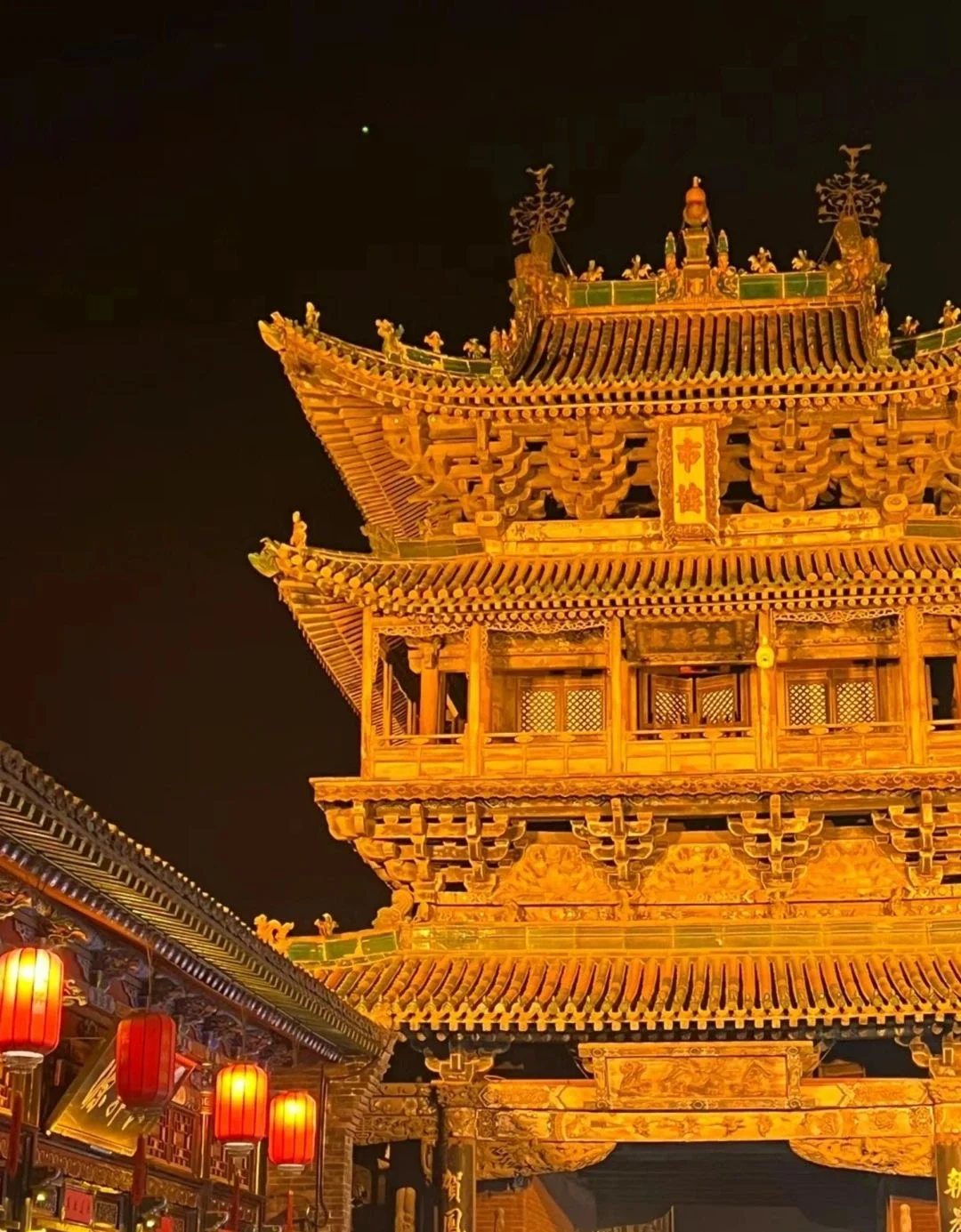
Pingyao is the clearest old-city and merchant-history core in Shanxi. It gives the province one of its strongest overnight experiences and adds the human, urban, and commercial side of the route. For many first-time visitors, Pingyao is not optional.

Mount Wutai adds a major Buddhist mountain dimension to the trip. It is one of Shanxi’s strongest cultural highlights, but it fits best when you have enough time for a fuller route. On shorter trips, it is often the main place to add or leave out depending on your interest in religion, temples, and mountain settings.

Taiyuan is usually the most practical gateway and the main support city in the province. It helps connect the route, works well for transport and logistics, and can add one or two worthwhile cultural stops, but it is usually not the emotional high point of the trip.
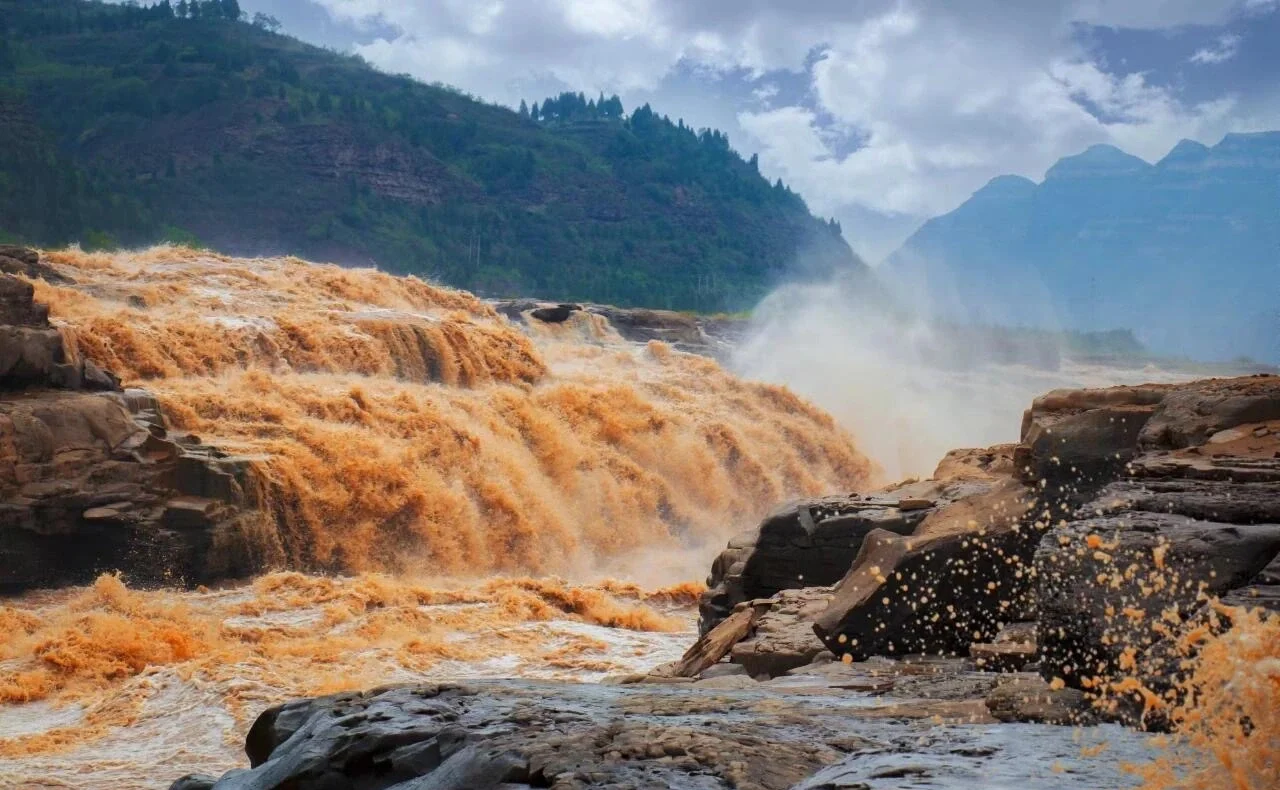
Hukou adds dramatic Yellow River scenery and a very different landscape mood, but it sits more naturally on longer itineraries. It is a strong scenic extension, not a default first-trip stop for everyone.
Family compounds / Jinci / Yanmen Pass as selective add-ons
Family compounds, Jinci, and Yanmen Pass work best as structural add-ons rather than core anchors. They can deepen the route and make it feel more complete, but most first-time visitors only need one or two of them, not all of them.
For a first Shanxi trip, the most mature route patterns are usually Datong + Pingyao, Taiyuan + Datong + Pingyao, or Datong + Mount Wutai + Pingyao. Hukou and smaller add-ons make more sense on longer trips or return visits.
Shanxi is not a province where every famous place belongs in one first trip. The key is to separate core stops from strong add-ons and longer-route extensions. For most first-time visitors, Datong, Pingyao Ancient City, and sometimes Mount Wutai form the main decision points, while Taiyuan, family compounds, and Hukou Waterfall usually depend on time, interests, and route shape.
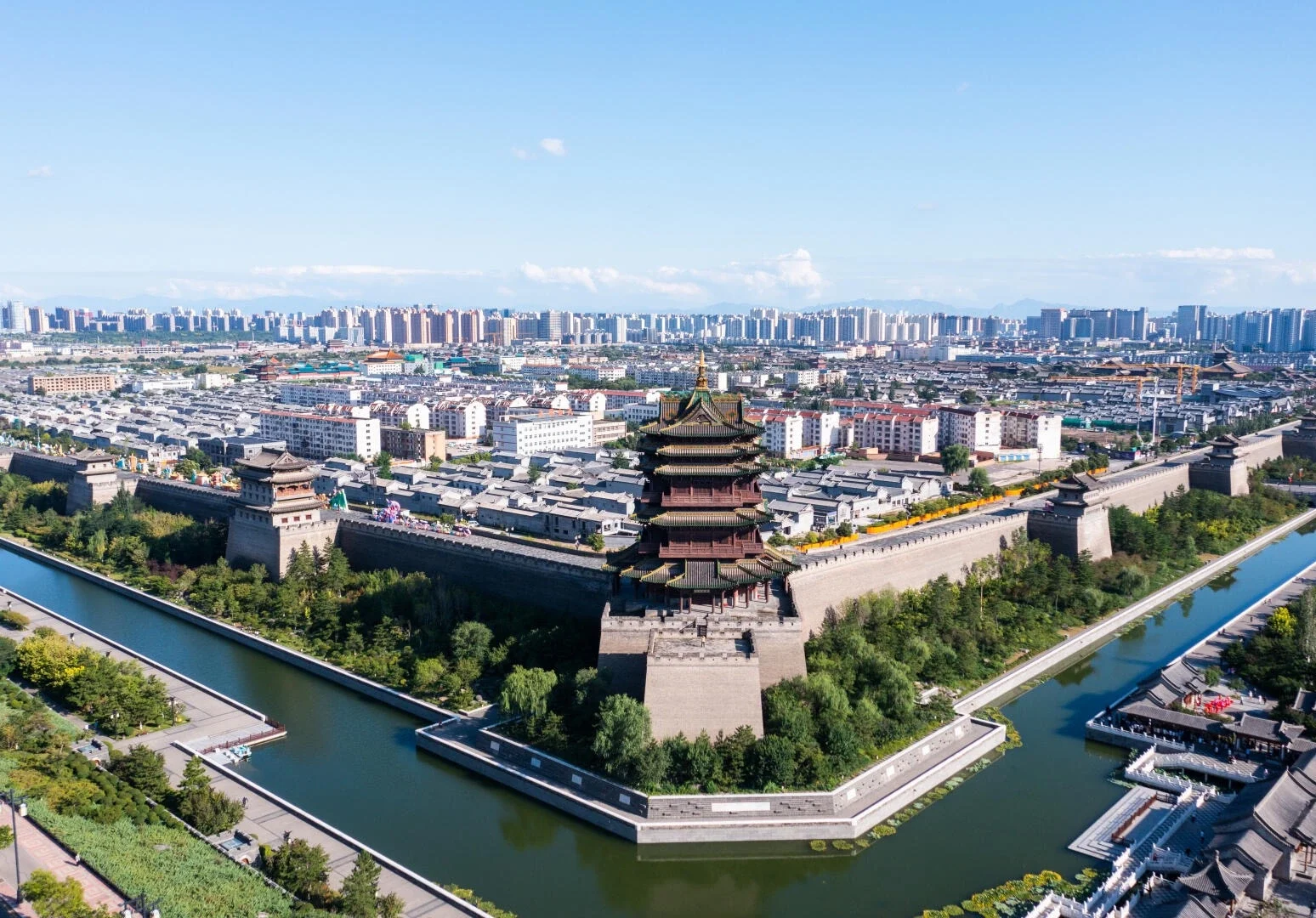
Datong is the strongest north-Shanxi core and one of the best first-trip bases in the province. It is where Shanxi’s early Buddhist art, monumental grotto heritage, and several major architectural landmarks come together in a way that feels concentrated and high-value. It is best for travelers interested in ancient architecture, Buddhist art, and North China history. In route terms, Datong is a primary anchor, not a side stop, and it is very hard to replace on a first trip.

Pingyao Ancient City is the clearest old-city and merchant-history core in Shanxi. It is one of the strongest overnight experiences in the province and gives the trip a very different mood from Datong, with walled streets, courtyard stays, and a more lived-in sense of late imperial urban space. It is best for travelers who enjoy old cities, merchant culture, and slower walking-based exploration. On a first trip, it is usually a core stop rather than an optional add-on.
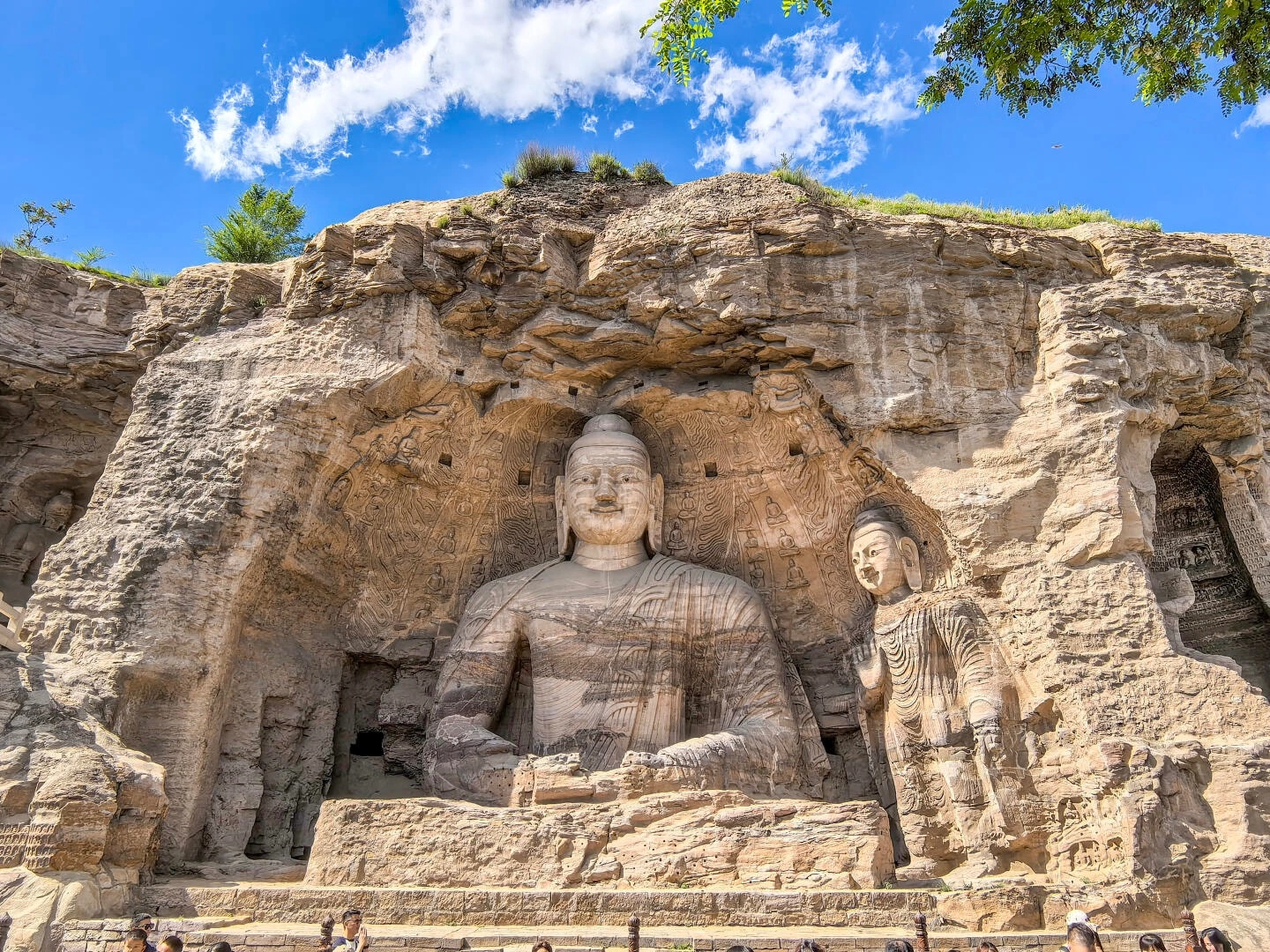
Yungang Grottoes is one of the biggest reasons to visit Shanxi at all. It stands out for its Northern Wei Buddhist art, scale, and historical importance, and it is especially rewarding for travelers who want more than a quick landmark visit. In the route, it is a must-see part of the Datong core. If you are already including Datong, this is not the place to cut.

Hanging Temple adds a very different kind of visual impact to the Datong side of the trip. It is best known for its cliffside setting and unusual combination of architectural drama and religious history. It suits travelers who want a memorable, high-contrast stop alongside grottoes and temples. In route terms, it is a major supporting highlight of the north line, though it is still secondary to Yungang if time becomes tight.
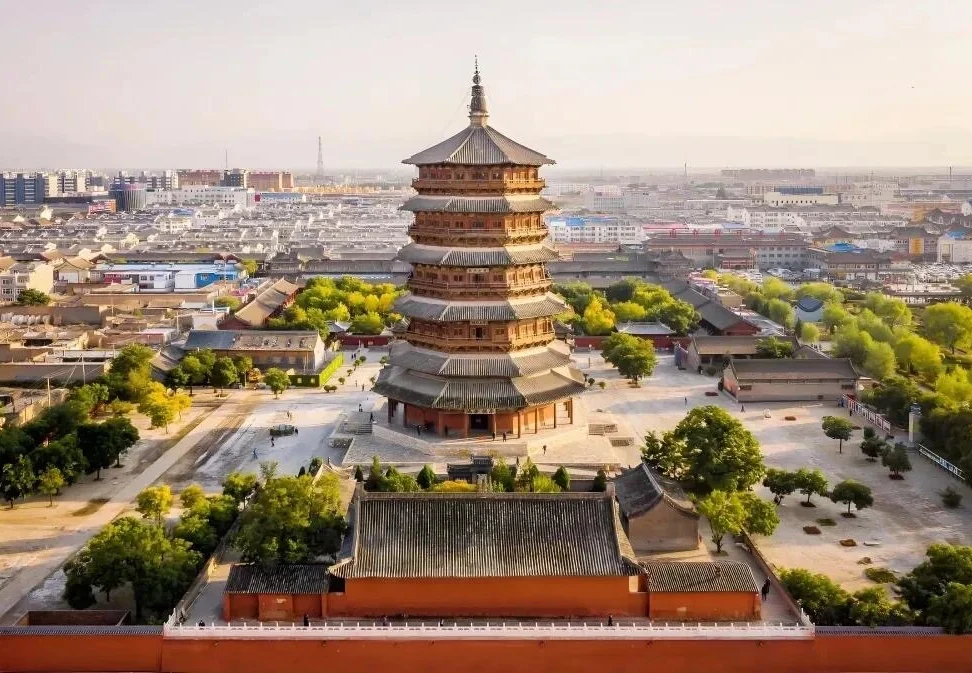
Yingxian Wooden Pagoda is one of Shanxi’s most important architecture-focused stops and a standout for anyone interested in timber construction. It is best for travelers who care about historic structures and want to see why Shanxi matters so much in discussions of Chinese architecture. In the route, it works as a strong north-line add-on. It is highly worthwhile, but on a very compressed first trip, some visitors may still prioritize Yungang and Pingyao first.
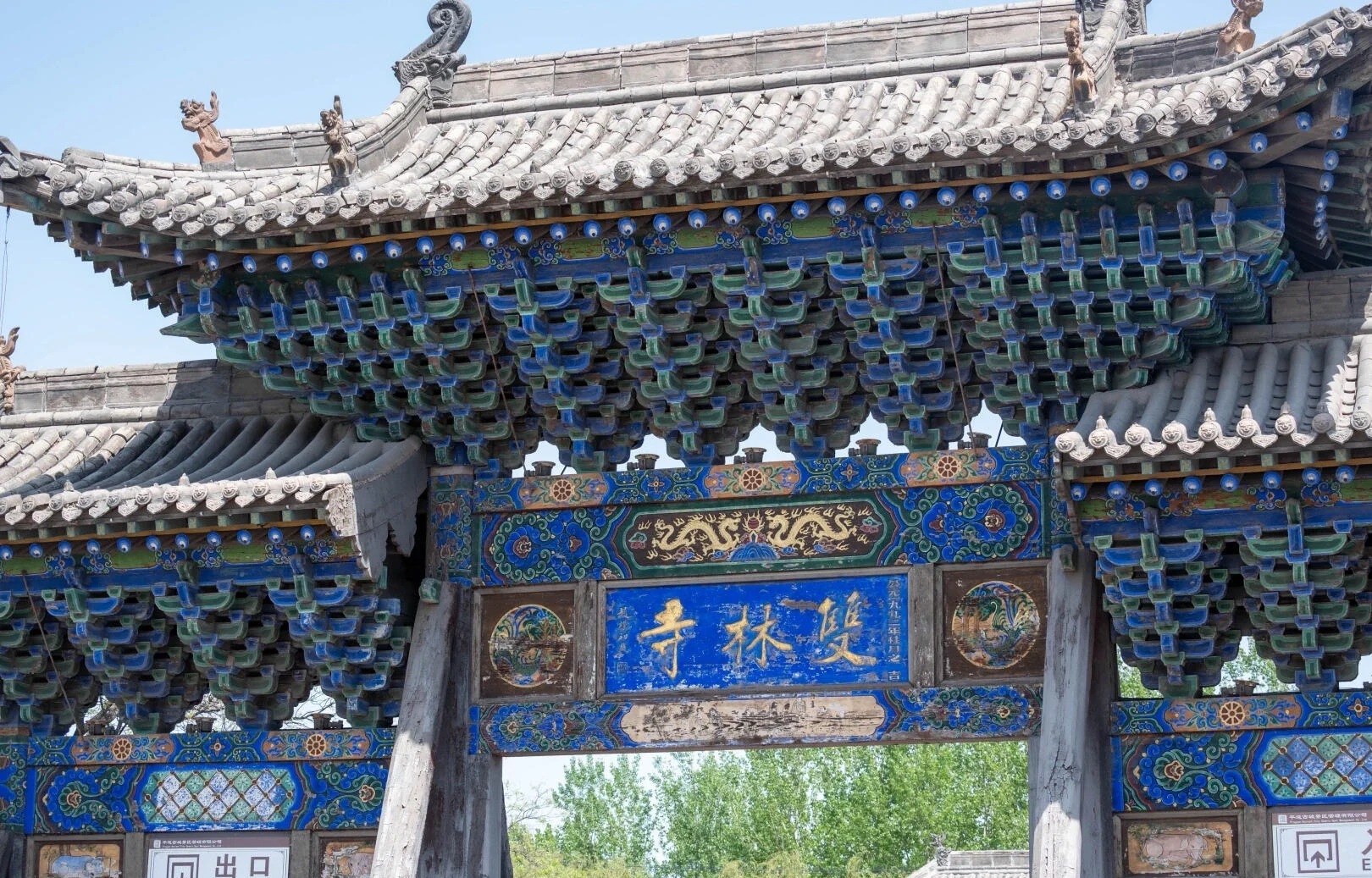
These two temples deepen the Pingyao side of the route and are especially valuable for travelers who want more than just the old city walls and main streets. They add sculpture, temple heritage, and historical texture to the merchant-history core. In route terms, they are excellent add-ons to Pingyao rather than stand-alone anchors. If you stay overnight in Pingyao and want one layer beyond the old city itself, they are among the smartest choices.
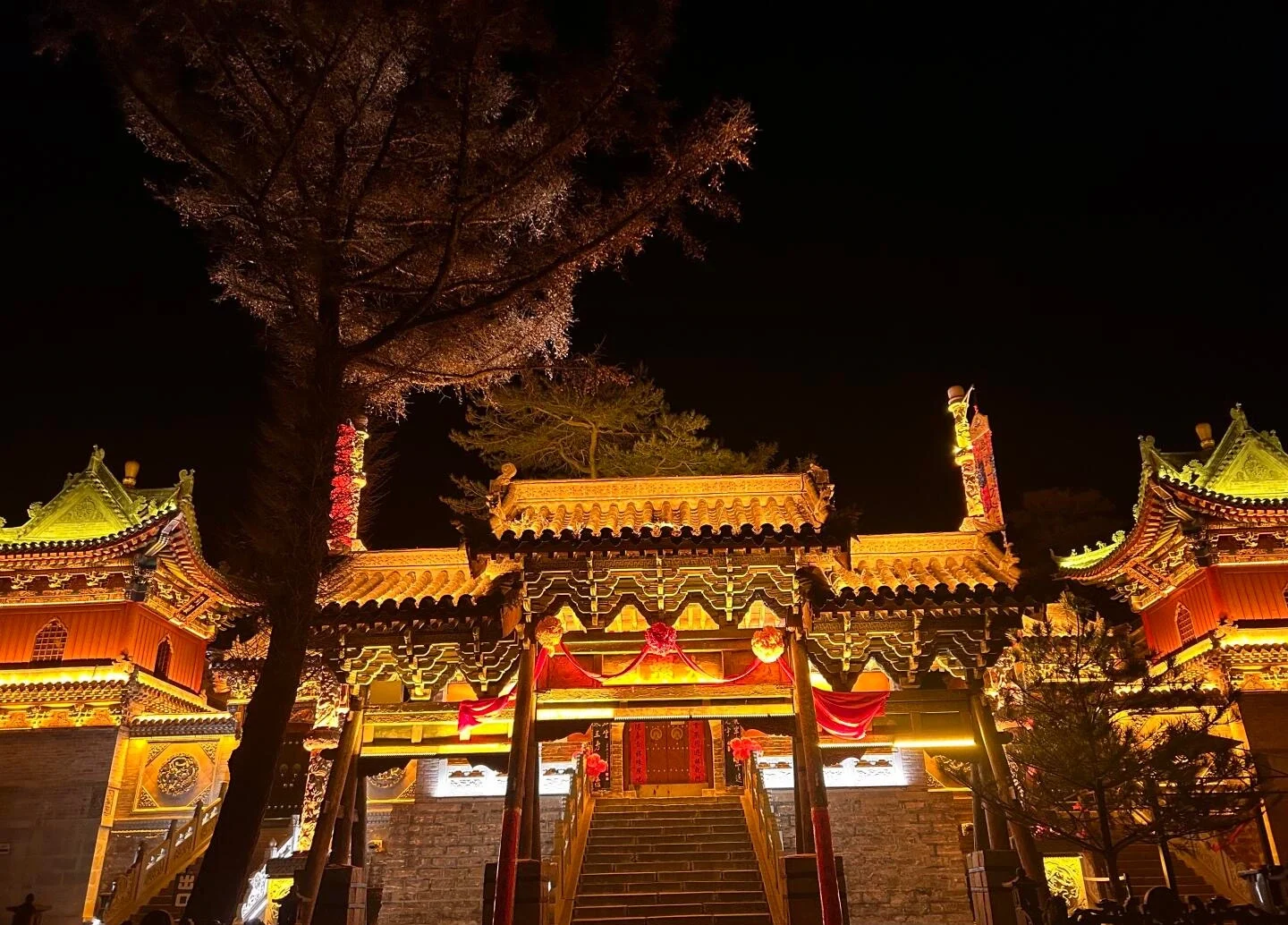
Mount Wutai is one of Shanxi’s most important cultural destinations, but it is also one of the clearest examples of a place that depends on travel style. It is strongest for travelers interested in Buddhist culture, temple landscapes, pilgrimage atmosphere, and mountain settings. In route terms, it is a major religious-mountain branch rather than a default stop for every first-time visitor. It becomes much easier to justify on a 6-day-plus itinerary; on a shorter trip, it is often the main place to add or leave out based on interest.
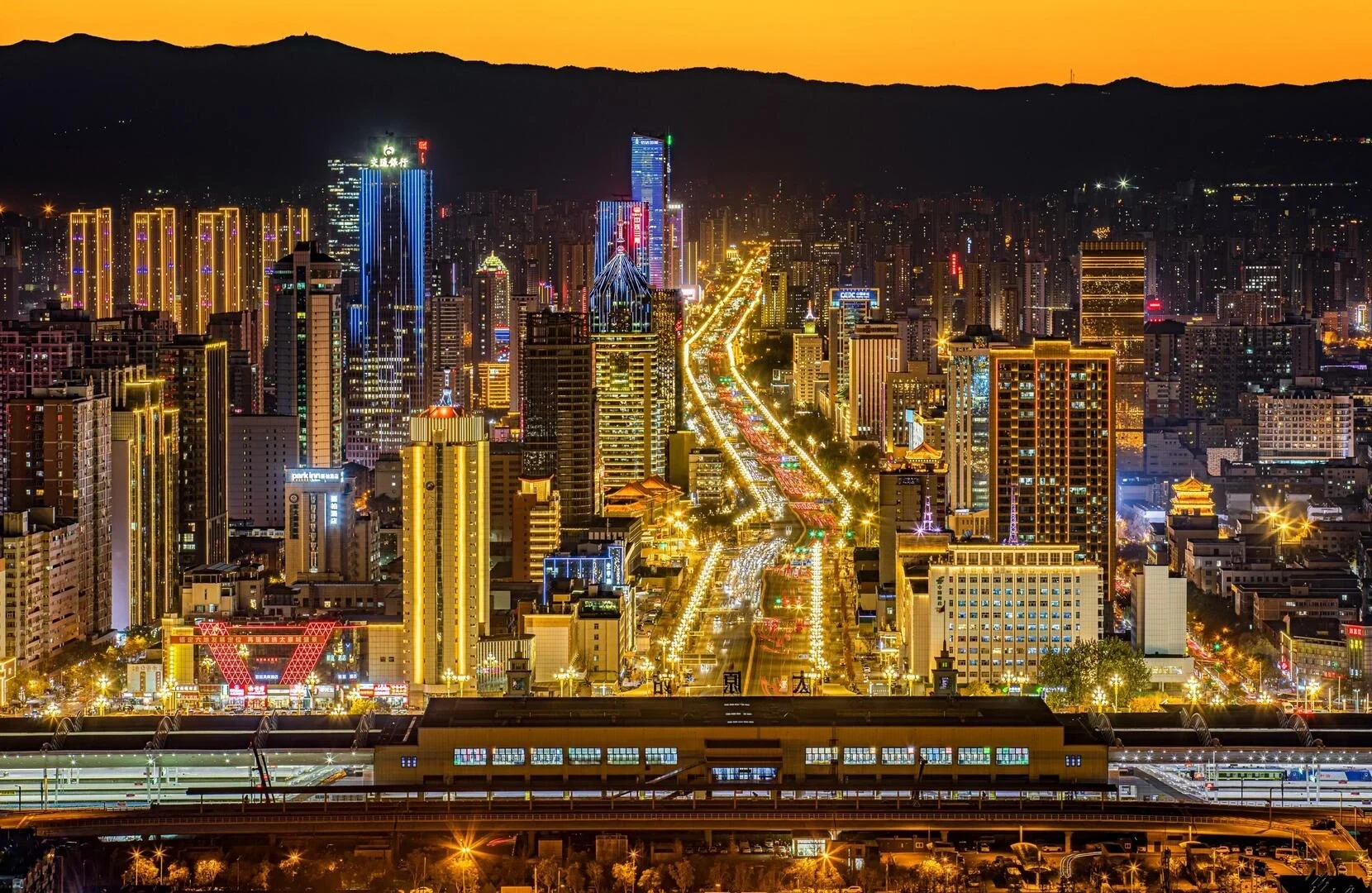
Taiyuan is usually the most practical gateway for a first Shanxi trip, but it is not always the emotional highlight of the province. It works best as a transport hub, support city, and route connector. It suits travelers who want a smooth entry point and one or two worthwhile cultural stops without overcomplicating the itinerary. In route terms, Taiyuan is useful and often necessary, but it is rarely the main reason to visit Shanxi.
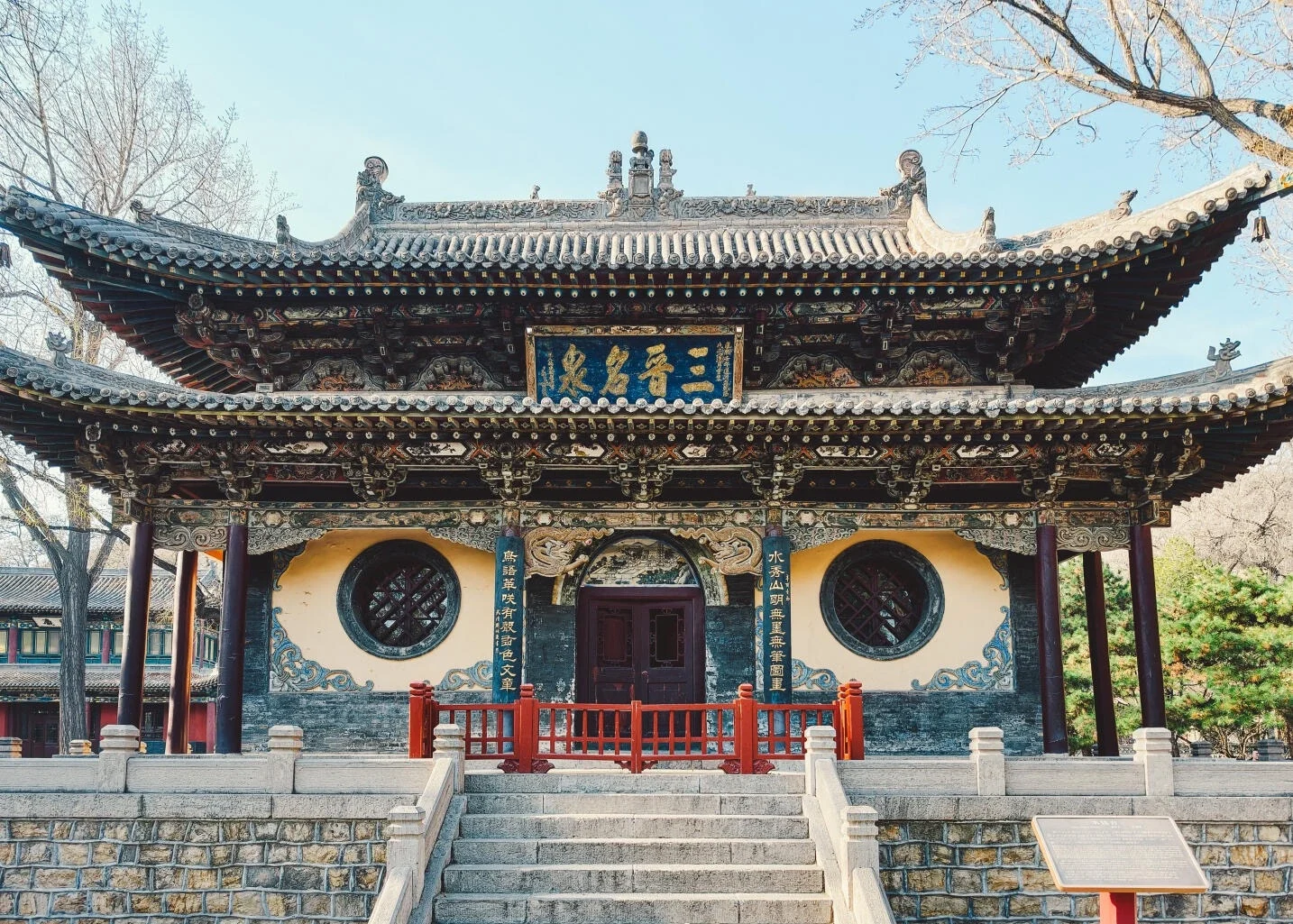
Jinci Temple is the strongest cultural stop on the Taiyuan side and the main reason to give the city more than pure transit value. It is best for travelers interested in temple architecture, historical gardens, and layered built heritage. In the route, it works as a high-quality support stop rather than a province-wide anchor. If you pass through Taiyuan, it is usually the most sensible place to prioritize.

The family compounds are some of the most representative places for understanding Shanxi’s merchant wealth, domestic architecture, and courtyard traditions. They are best for travelers who want to see the residential and clan-based side of Shanxi culture. In route terms, they are strong add-ons, especially around the Pingyao–Taiyuan side, but most first-time visitors do not need to see multiple compounds. One well-chosen compound is usually enough.

Hukou Waterfall is one of Shanxi’s most dramatic scenic sights and adds a completely different landscape mood from grottoes, temples, and old cities. It is best for travelers who want Yellow River scale, photography, and stronger natural contrast in the itinerary. In route terms, it is a longer-route extension rather than a standard first-trip stop. It is impressive, but it costs more time and transfer effort than many first-time visitors expect.
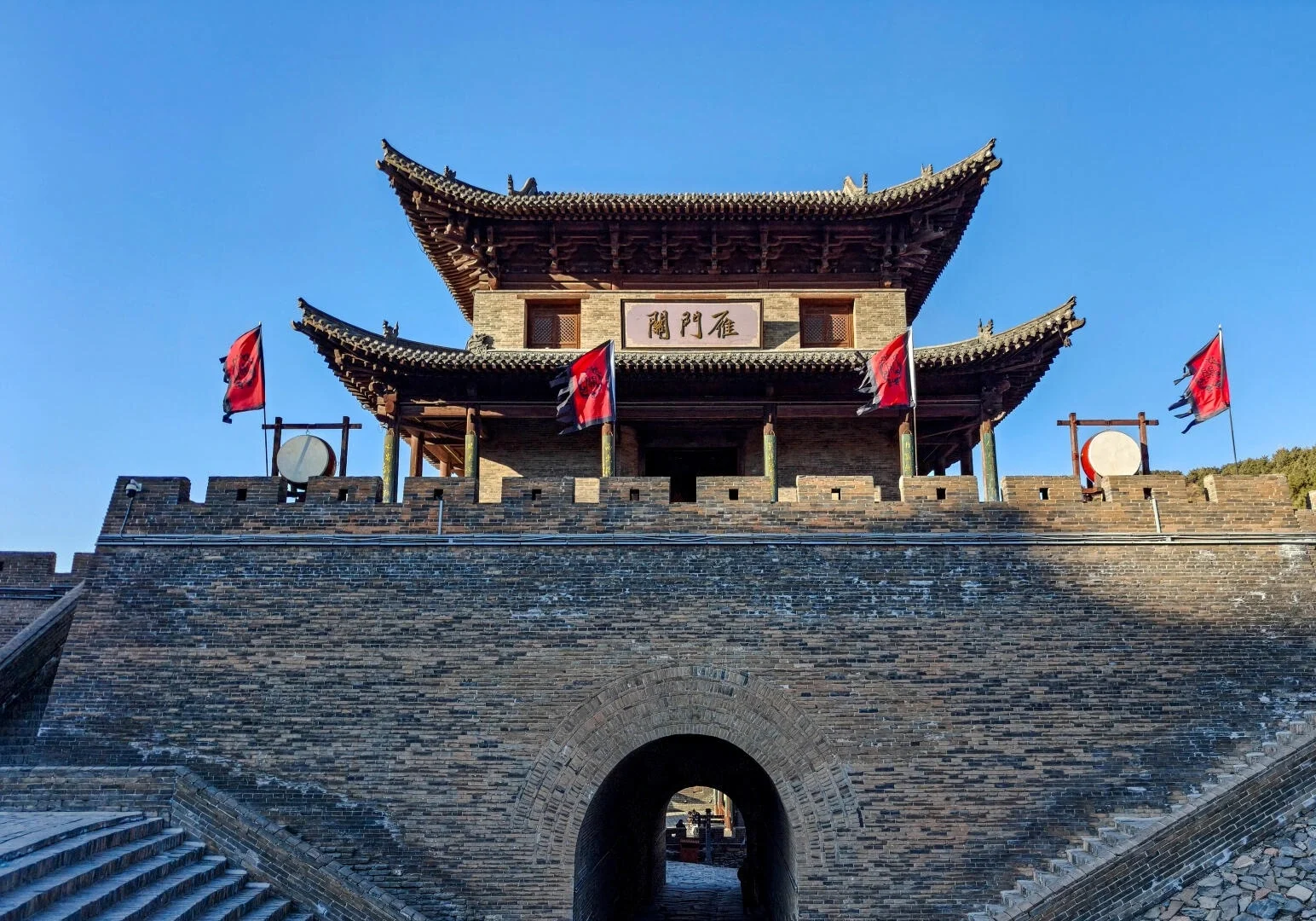
Yanmen Pass is best for travelers interested in frontier history, passes, and the military geography of North China. It adds a different historical layer from grottoes and merchant cities. In the route, it is a selective historical add-on, not a first-trip essential.

Datong Ancient City works well as a supporting urban stop if you are already based in Datong and want to add city walls, temples, and evening atmosphere. It helps round out the north-line experience, but it is not usually one of the province’s highest-priority reasons to travel to Shanxi.

Xiaoxitian is one of those places that architecture and sculpture-focused travelers may value more than general first-time visitors. It is better suited to longer itineraries, deeper cultural trips, or return visits than to a tightly planned first route.
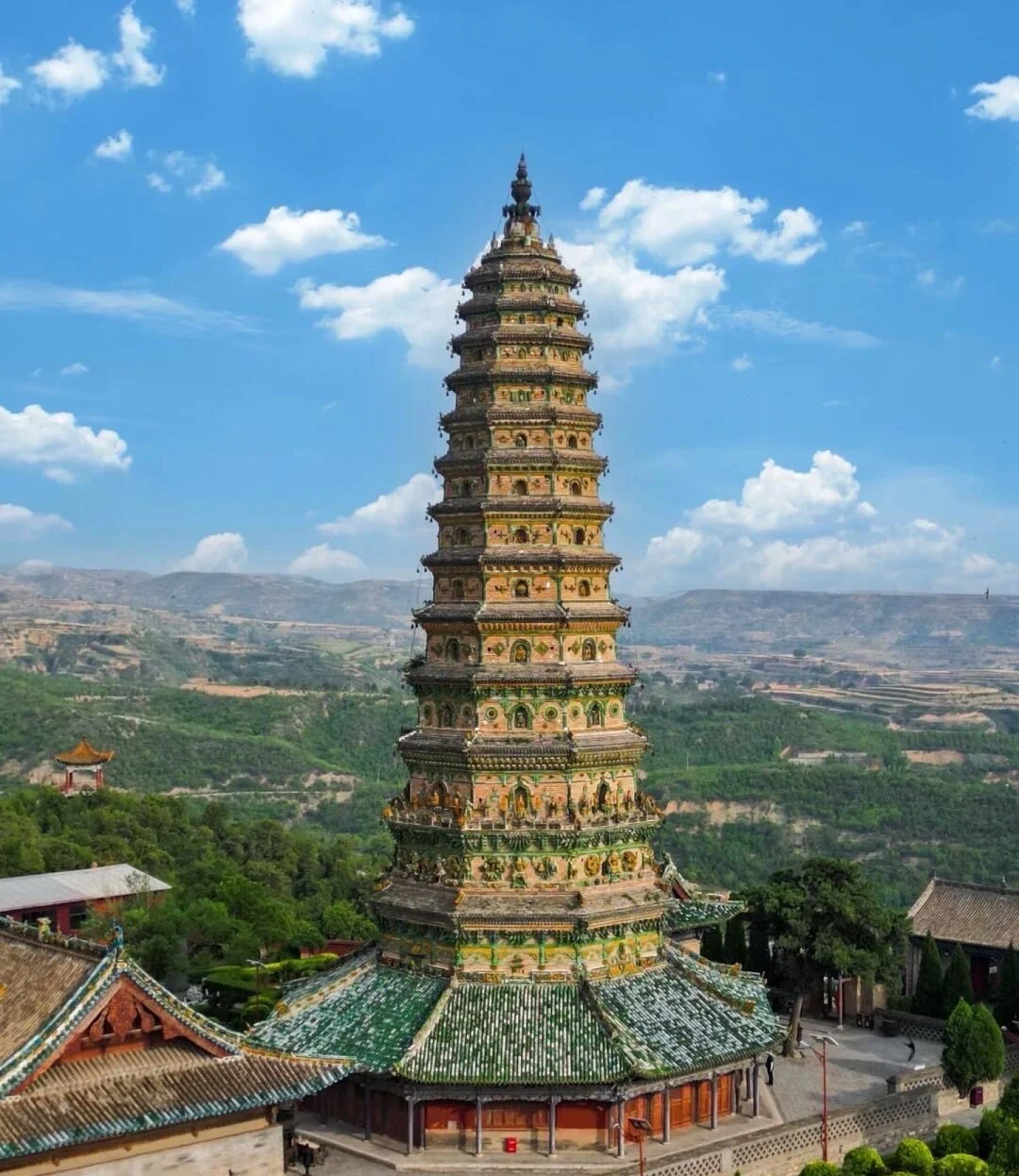
Feihong Pagoda is a strong specialty stop for travelers interested in pagoda architecture and historic Buddhist structures. It adds depth, but not usually enough first-trip value to outrank the major cores unless you already have extra time.
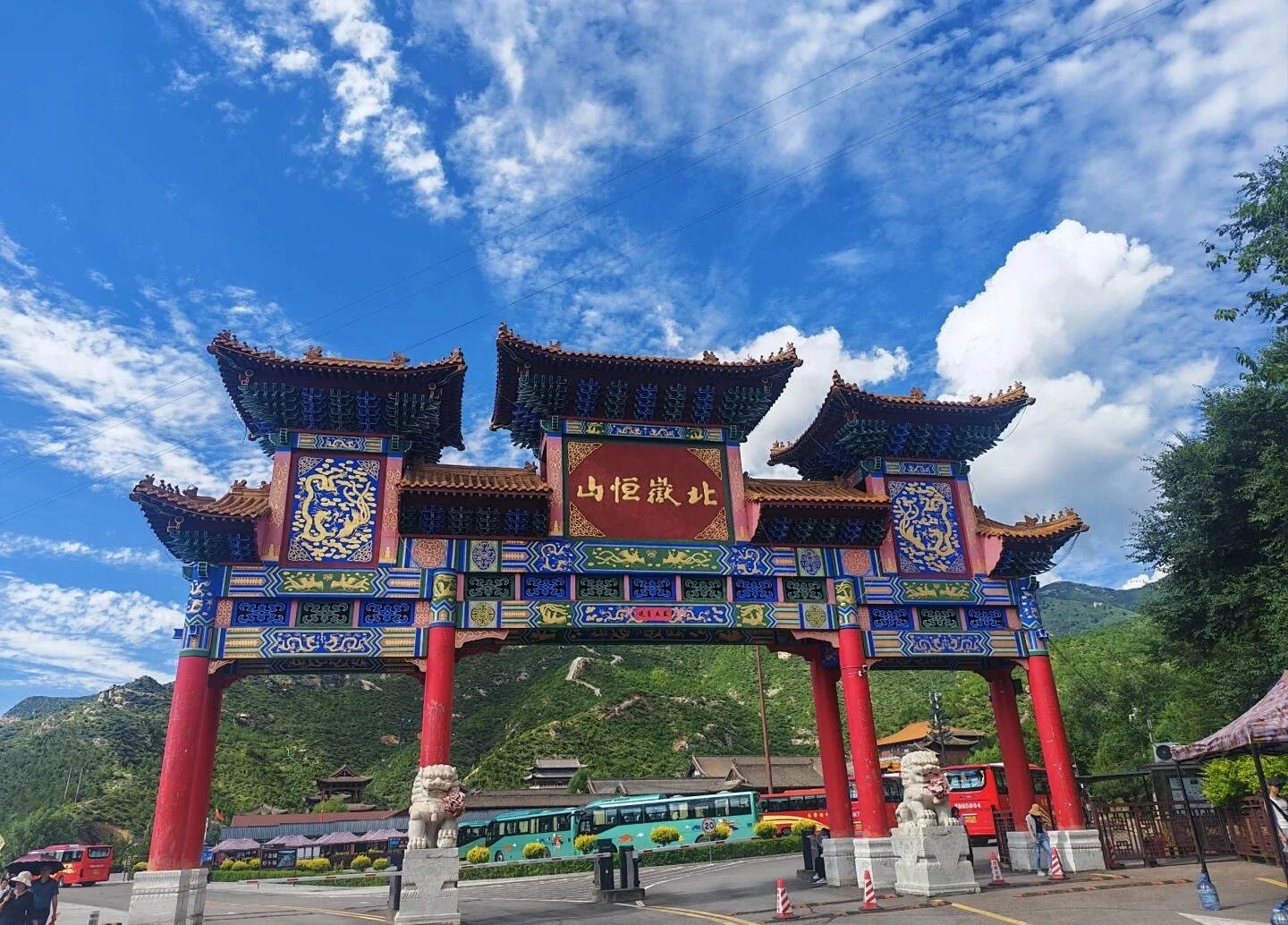
Hengshan can appeal to travelers who want a mountain element beyond grottoes and old cities, especially when paired with Hanging Temple. Still, for most first-time visitors, Mount Wutai is the stronger mountain choice if the goal is cultural depth.
Overall, the safest first-trip logic is to treat Datong and Pingyao as the clearest cores, consider Mount Wutai if you have enough time or strong religious interest, use Taiyuan as the main gateway, and add family compounds or Hukou only when the route truly supports them.
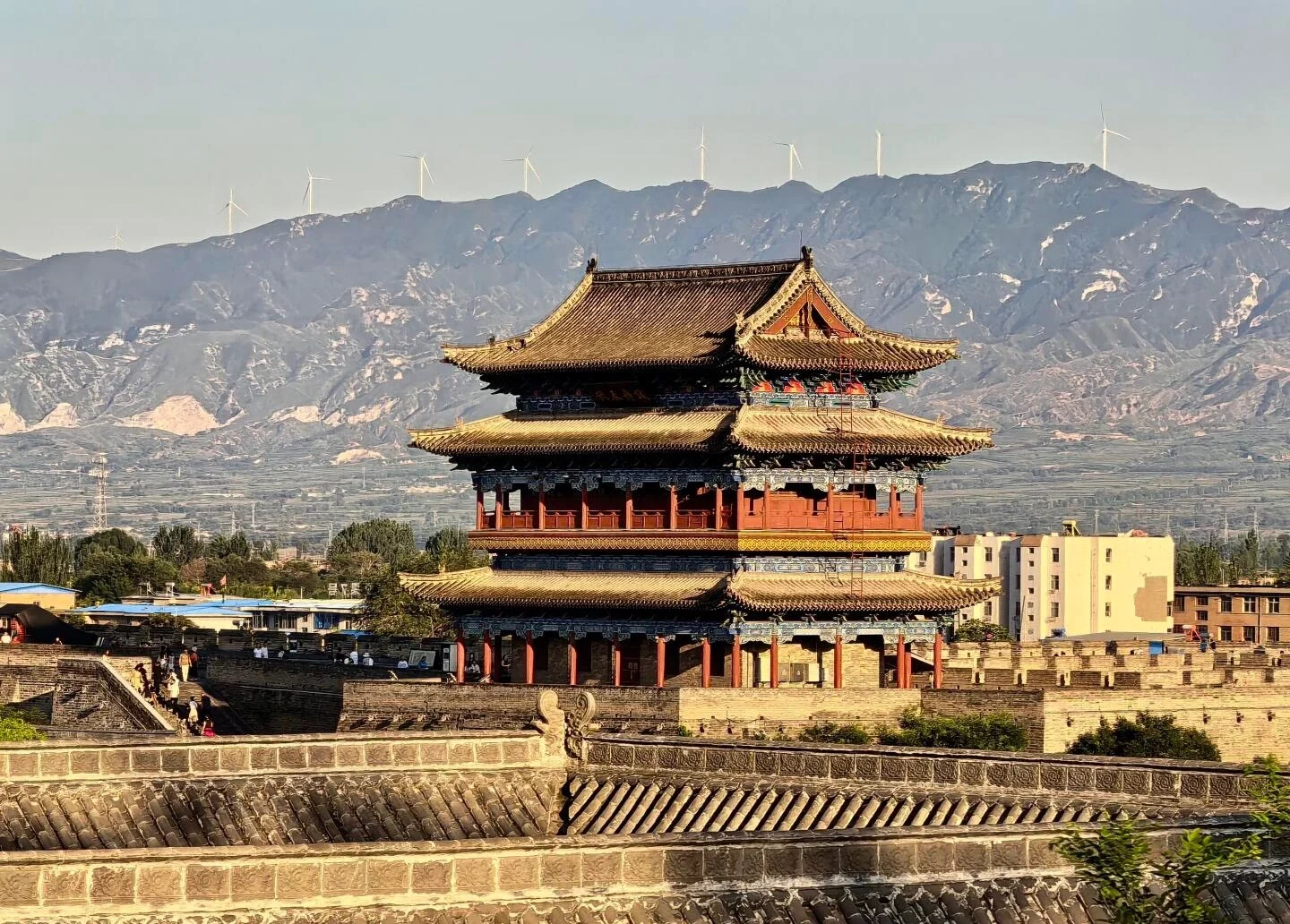
Shanxi is best planned around one or two strong route cores, not by trying to combine every major system in one trip. For a first visit, the safest approach is to build around the north line, the central line, or a clean combination of both. Mount Wutai and Hukou are both strong additions, but they do not both belong in every itinerary.
3–4 days: Best for a short core trip such as Datong + Pingyao, Pingyao + Taiyuan, or one focused regional line. This works well if you want a clear first taste of Shanxi without too many transfers.
5–6 days: A strong range for Datong + Pingyao + Taiyuan or Datong + Mount Wutai + Pingyao. This gives you enough time to connect major cultural highlights without making the route feel overloaded.
6–8 days: This is the most mature classic first-time range. A route like Datong + Mount Wutai + Taiyuan + Pingyao covers Shanxi’s main cultural strengths at a more comfortable pace.
Longer trips: This is when Hukou, southern Shanxi, or deeper temple-and-architecture lines begin to make sense. They are better treated as longer extensions than as default first-trip stops.
For most travelers, Shanxi works best when you choose a clear route shape instead of adding every famous place. A shorter, well-built first trip is usually stronger than a crowded one.
If you are still deciding how Shanxi should fit into a larger China route, see our guide on how long to spend in China.
For most first-time visitors, the most reliable Shanxi structure is built around Datong, Pingyao, and either Taiyuan or Mount Wutai. That combination gives you the clearest balance of grottoes, old-city atmosphere, architecture, religion, and practical transport without turning the trip into a long transfer chain.
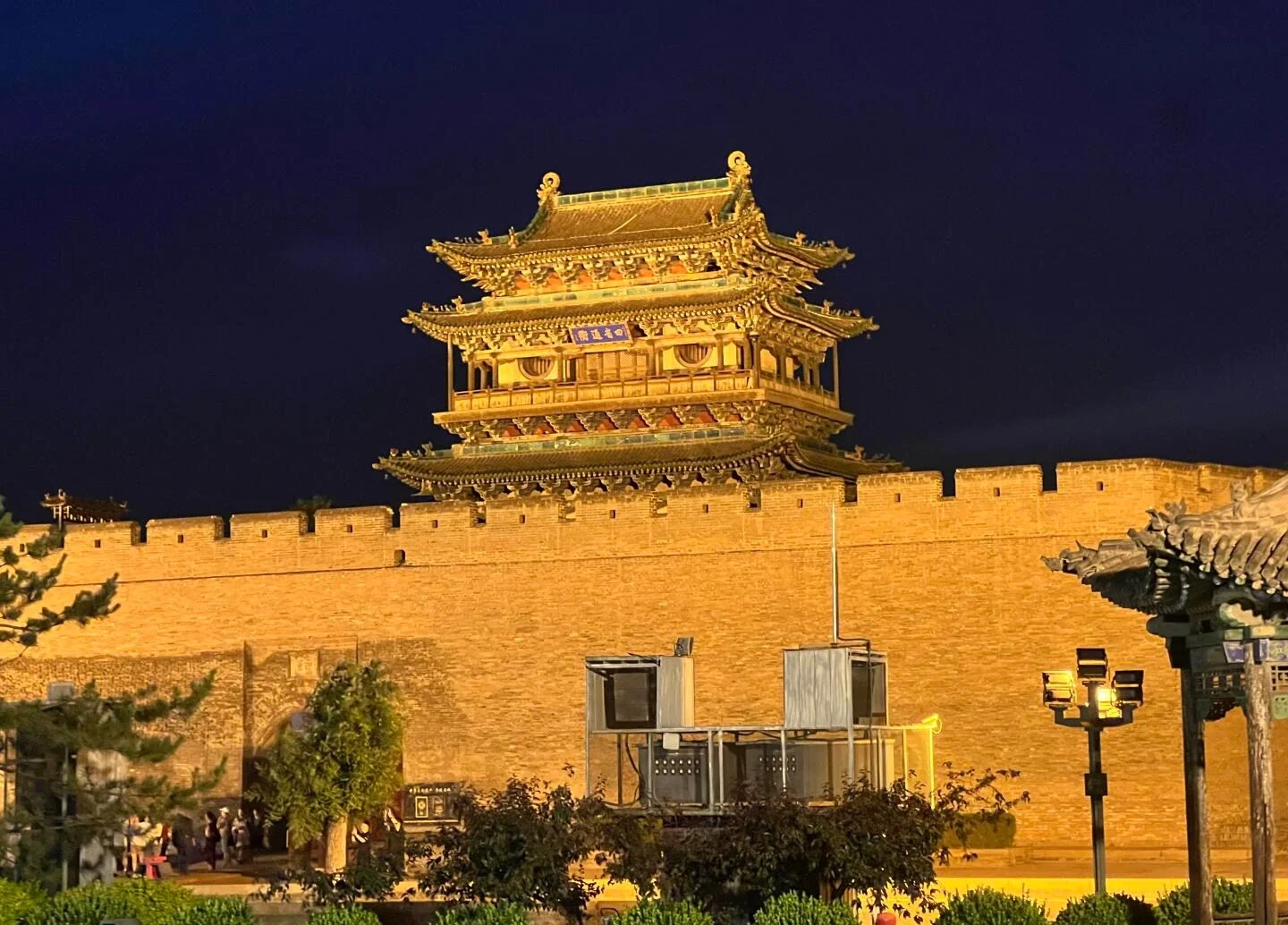
Who it’s for
Travelers with limited time who want a clear first look at Shanxi’s strongest cultural highlights.
Route logic
This length works best when you stay with one short, efficient structure instead of trying to sample the whole province. Datong + Pingyao is usually the strongest short route, while Pingyao + Taiyuan works better for travelers who want an easier central-line trip.
Main stops
Datong + Pingyao, or Pingyao + Taiyuan
Why this itinerary works
It keeps the trip focused on one or two strong cores and avoids wasting time on overextended connections. Datong gives you grottoes and northern heritage, while Pingyao adds old-city and merchant-history depth. If you want a softer central-line version, Pingyao + Taiyuan is easier to manage but less complete.
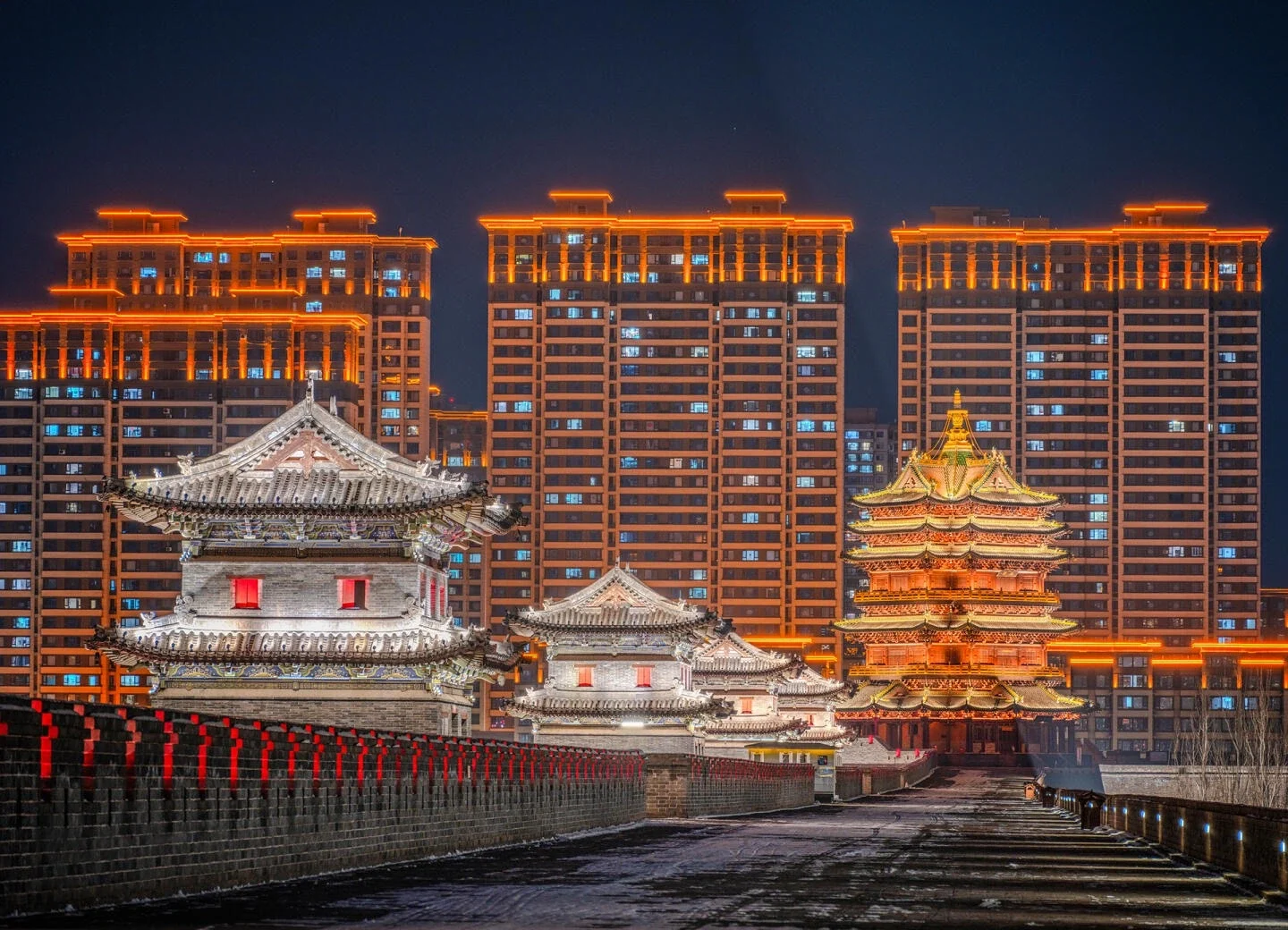
Who it’s for
Travelers who want a fuller first trip without making the route feel too rushed.
Route logic
This is the range where Shanxi starts to feel properly shaped. Datong + Pingyao + Taiyuan is the most balanced classic version, while Datong + Mount Wutai + Pingyao is stronger for travelers who care more about Buddhist culture and mountain settings.
Main stops
Datong + Pingyao + Taiyuan, or Datong + Mount Wutai + Pingyao
Why this itinerary works
It gives enough time to combine two major cores with one strong support stop. You get a more complete sense of how Shanxi fits together without forcing in too many extras. This is often the best range for travelers who want depth but do not want a long trip.
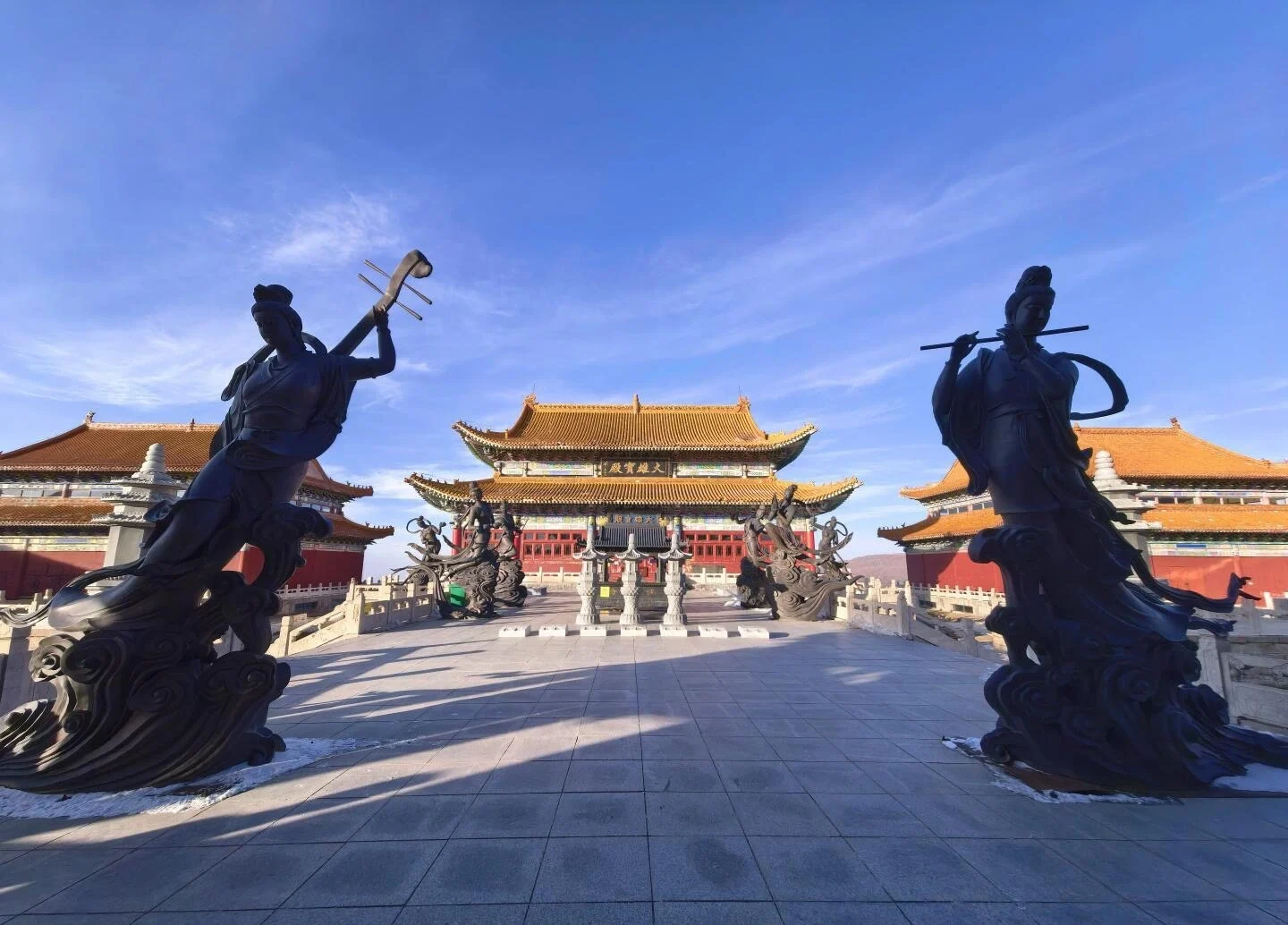
Who it’s for
First-time visitors who want Shanxi’s most mature and well-rounded classic route.
Route logic
This is the strongest range for combining Datong, Mount Wutai, Taiyuan, and Pingyao in one trip. It gives the province enough space to feel layered instead of compressed. A version with Hukou is possible, but it usually creates a longer-transfer structure and is less clean for most first visits.
Main stops
Datong + Mount Wutai + Taiyuan + Pingyao or Datong + Pingyao + Taiyuan + Hukou
Why this itinerary works
The Datong–Pingyao–Wutai / Taiyuan structure is Shanxi’s most mature first-time pattern because it covers the province’s main strengths without scattering the route too widely. You get Buddhist art, mountain religion, old-city culture, and a practical gateway city in one connected line. This is usually the safest first-choice structure.

Who it’s for
Travelers with more time, stronger cultural interest, or plans for a second-level Shanxi experience.
Route logic
Once you move beyond the classic first-time line, it makes more sense to add one deeper extension rather than several. The best approach is usually to take the main Datong–Pingyao–Wutai / Taiyuan route and then choose either Hukou, southern Shanxi, or a deeper temple-and-architecture line.
Main stops
Classic core route + Hukou
or classic core route + southern Shanxi
or classic core route + deeper temple-and-architecture stops
Why this itinerary works
It keeps the trip structured while giving you room to explore Shanxi beyond its most famous core. Instead of making the route messy, it adds one clear extra layer. That usually produces a better deeper trip than trying to include every famous name in one pass.
A natural next step from here is linking this section to your broader planning page with a sentence like: If you are building a wider itinerary beyond Shanxi, see our guide on How to Plan a China Trip.

Shanxi is best experienced through depth, not speed. The point is not to collect as many famous names as possible, but to give each part of the route enough space to show what makes the province different.
See one major grottoes-and-Buddhist-art site properly instead of treating it as a quick stop
Stay overnight in Pingyao and experience it as a real old city, not just a photo stop
Treat Mount Wutai as a serious Buddhist-mountain experience if you include it
Visit one Shanxi courtyard or family compound with enough context to understand merchant culture
Add one Yellow River or pass-culture stop only if the route supports it
Take Shanxi food seriously, especially noodles, vinegar-based flavors, and local specialties
Let the trip follow cultural-route logic rather than one scenic headline
Keep the itinerary focused and avoid adding too many secondary stops
There is no single best time to visit Shanxi. For most first-time visitors, spring and autumn are the safest overall choices, while summer works especially well for Mount Wutai and winter suits a more selective style of travel. For a broader country-wide comparison, see our Best Time to Visit China guide.

Best for: Datong, Pingyao, Taiyuan, and balanced first-time routes
Spring is one of the more reliable seasons for a first Shanxi trip, especially if your route focuses on architecture, old cities, and the classic north-and-central structure. Datong, Pingyao, and Taiyuan are usually easier to enjoy in spring than in peak summer heat or winter cold, and the overall travel rhythm can feel comfortable. The main trade-off is that spring in Shanxi can bring wind, dust, and noticeable day-night temperature swings, so it works best for travelers who do not mind slightly drier conditions.

Best for: Mount Wutai and mountain-led routes
Summer is not the strongest all-purpose answer for the whole province, but it becomes much more attractive if Mount Wutai is central to your trip. Elevation, walking comfort, and the mountain setting make this one of the most suitable warm-season destinations in Shanxi. For city-heavy routes, though, summer is less balanced than spring or autumn, especially if you are trying to combine multiple urban and heritage stops at a steady pace.

Best for: the strongest all-around first-time balance
Autumn is often the best all-purpose answer for most first-time visitors. Datong, Pingyao, and Taiyuan are usually comfortable, and Mount Wutai also fits well if you want a broader cultural route with better walking conditions. This is often the easiest season for travelers who want Shanxi’s classic mix of grottoes, temples, old cities, and architecture without too much weather friction. If you want one season that gives the clearest first impression of the province, autumn is usually the safest choice.
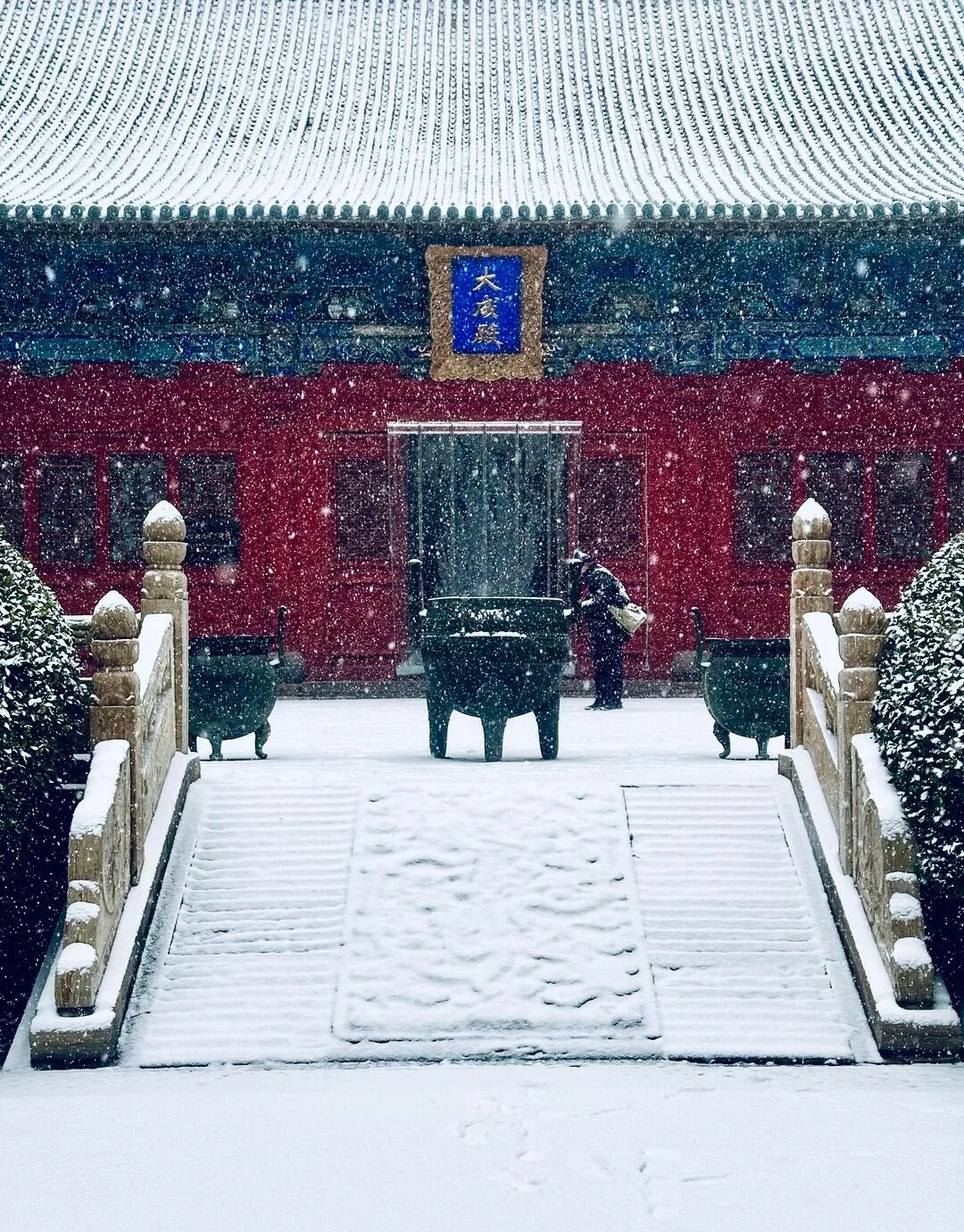
Best for: selective winter travel, old-city atmosphere, and a different Shanxi mood
Winter can absolutely work in Shanxi, but it is usually not the safest default choice for most first-time visitors. The trip becomes much more climate-led, and the experience shifts away from a broad classic route toward winter atmosphere, quieter old-city stays, and a colder, more selective style of travel. In other words, winter is not a bad season, but it is a more specialized version of Shanxi rather than the easiest first impression.
Mount Wutai depends much more on season, elevation, and walking comfort than the rest of the province, which is why summer and autumn usually matter more here than in the core cities.
Hukou depends more on weather, water conditions, and viewing effect than city-based stops, so it should not be treated as an equal all-season default with Datong or Pingyao.
Datong, Pingyao, and Taiyuan are usually more reliable in spring and autumn, when city walking, historical sightseeing, and overall route comfort balance more naturally.
Winter travel can work, but only when the goal is clearly built around winter mood, quieter sightseeing, or a more selective route rather than a standard first-time province overview.
Getting to Shanxi is usually straightforward. The more important question is which entry point best matches your route. For most first-time visitors, Taiyuan is one of the strongest gateways because it connects most naturally to Shanxi’s classic first-trip structure. Datong also works well for a north-focused route, while the Mount Wutai side is usually better treated as a specialist direction than as the main starting point.
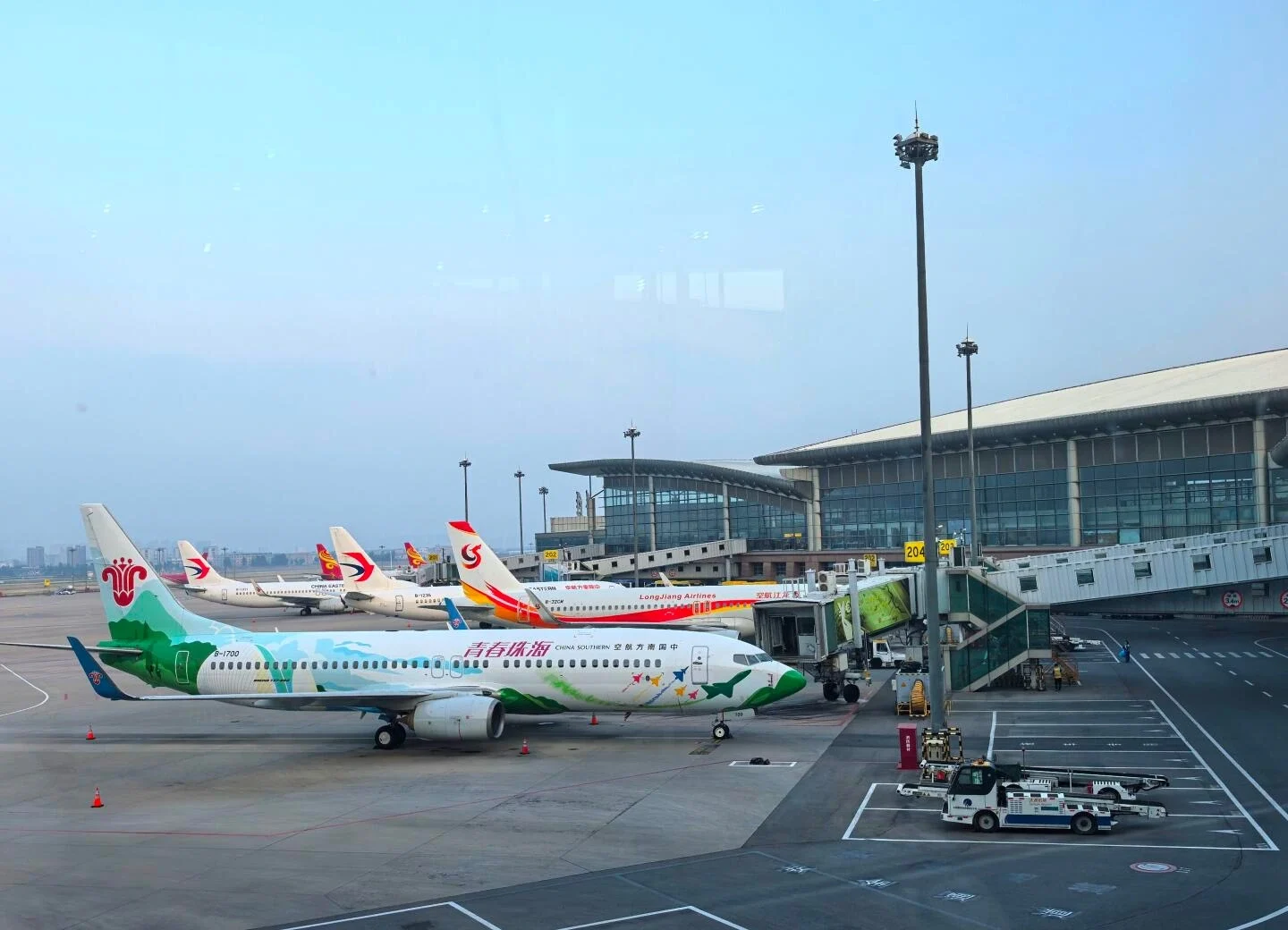
Flying is the fastest option for many travelers. For most classic first trips, Taiyuan is the safest all-purpose arrival city, while Datong works better for travelers building a more focused north-line route. Both are usually easier to use than more selective entry directions for most visitors coming from major hubs such as Beijing, Xi’an, Shanghai, or Guangzhou.
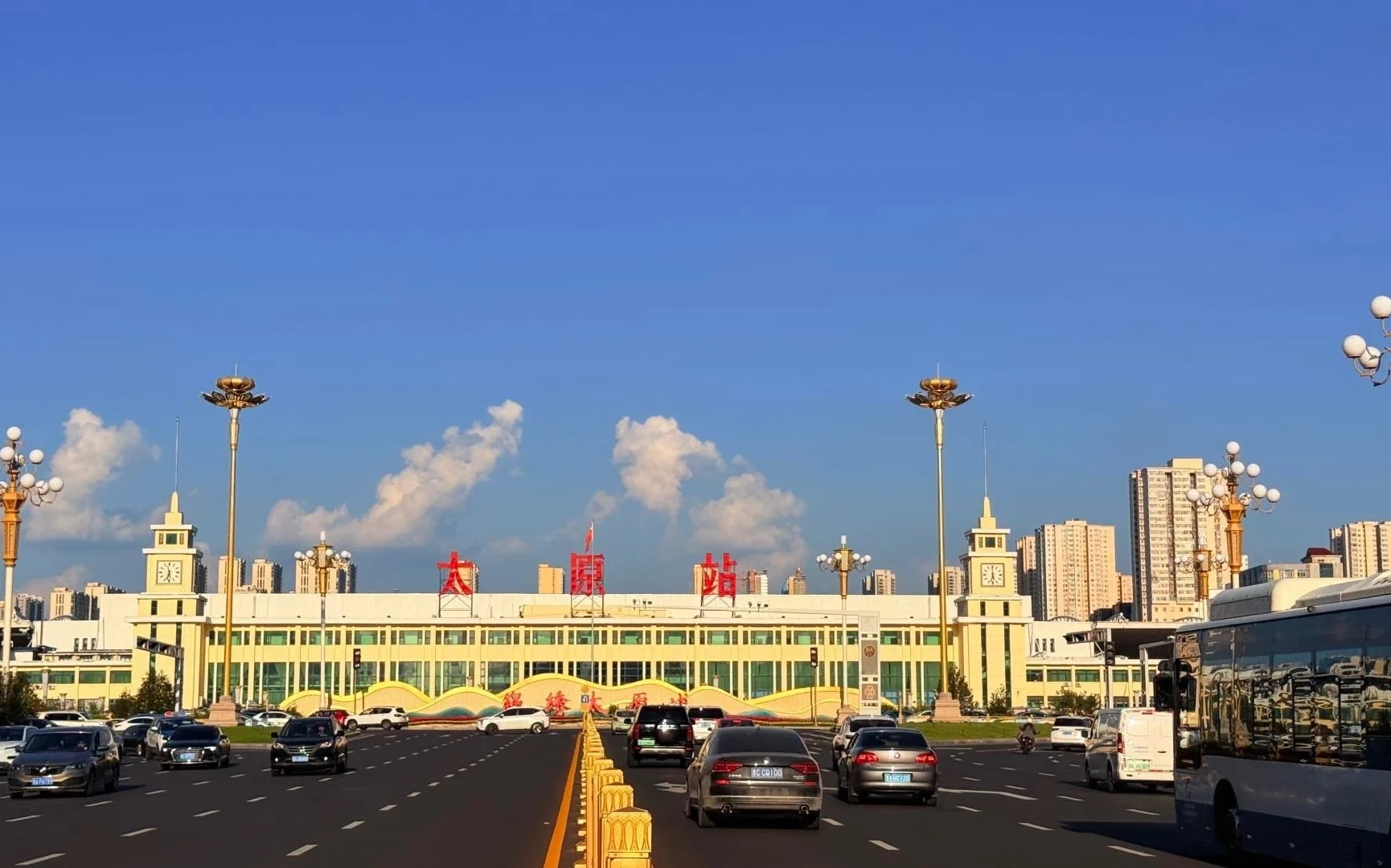
High-speed rail is one of the main reasons Shanxi is easier to plan than many travelers expect. It matters especially for the Taiyuan–Datong–Pingyao structure, which forms the backbone of the province’s most practical first-trip routes. Rail links from Beijing, Xi’an, and other nearby North China cities also make Shanxi much more accessible than its map position may suggest.
That is why Shanxi works best when you choose a clear main axis first, then build outward from it. For a broader look at flights, trains, and long-distance travel across the country, see our China Transportation Guide.

Getting around Shanxi is highly route-based. More than in many provinces, the trip usually depends on a combination of high-speed rail between core cities and road transfer for the last segment to major sights. Datong, Taiyuan, and Pingyao form the clearest main axis, while places such as Mount Wutai, Hukou, and deeper temple or compound stops often depend more on that final connection than on the intercity leg itself.
Route | Best way to travel | What to know |
|---|---|---|
Taiyuan ↔ Datong | High-speed rail | One of the strongest core-city links in Shanxi |
Taiyuan ↔ Pingyao | High-speed rail | Easy and efficient for central-route planning |
Datong ↔ Pingyao | High-speed rail, usually via Taiyuan | Practical, but still shaped by the main rail axis rather than a simple direct sightseeing flow |
Taiyuan / Xinzhou ↔ Mount Wutai | Rail + road transfer | The last segment matters more than the rail part |
Pingyao / Taiyuan ↔ family compounds | Road transfer | Usually easier by car, day trip, or private transfer |
Core route ↔ Hukou | Rail + longer road transfer | Much more time-consuming than core city travel |
Shanxi’s strongest transport structure is the Datong–Taiyuan–Pingyao axis
High-speed rail works well between core cities, especially for first-time routes
Mount Wutai, Hukou, and deeper temple or compound stops usually depend on the final road transfer
City-to-city movement is often easier than attraction-to-attraction movement
Not every famous stop is worth forcing into a public-transport-only trip
Shanxi is easier to plan when you treat rail as the backbone and car transfer as the connector
For most first-time visitors, the smartest approach is to build the trip around the strongest rail-linked cities first, then add selective road-based stops only when the route clearly supports them.
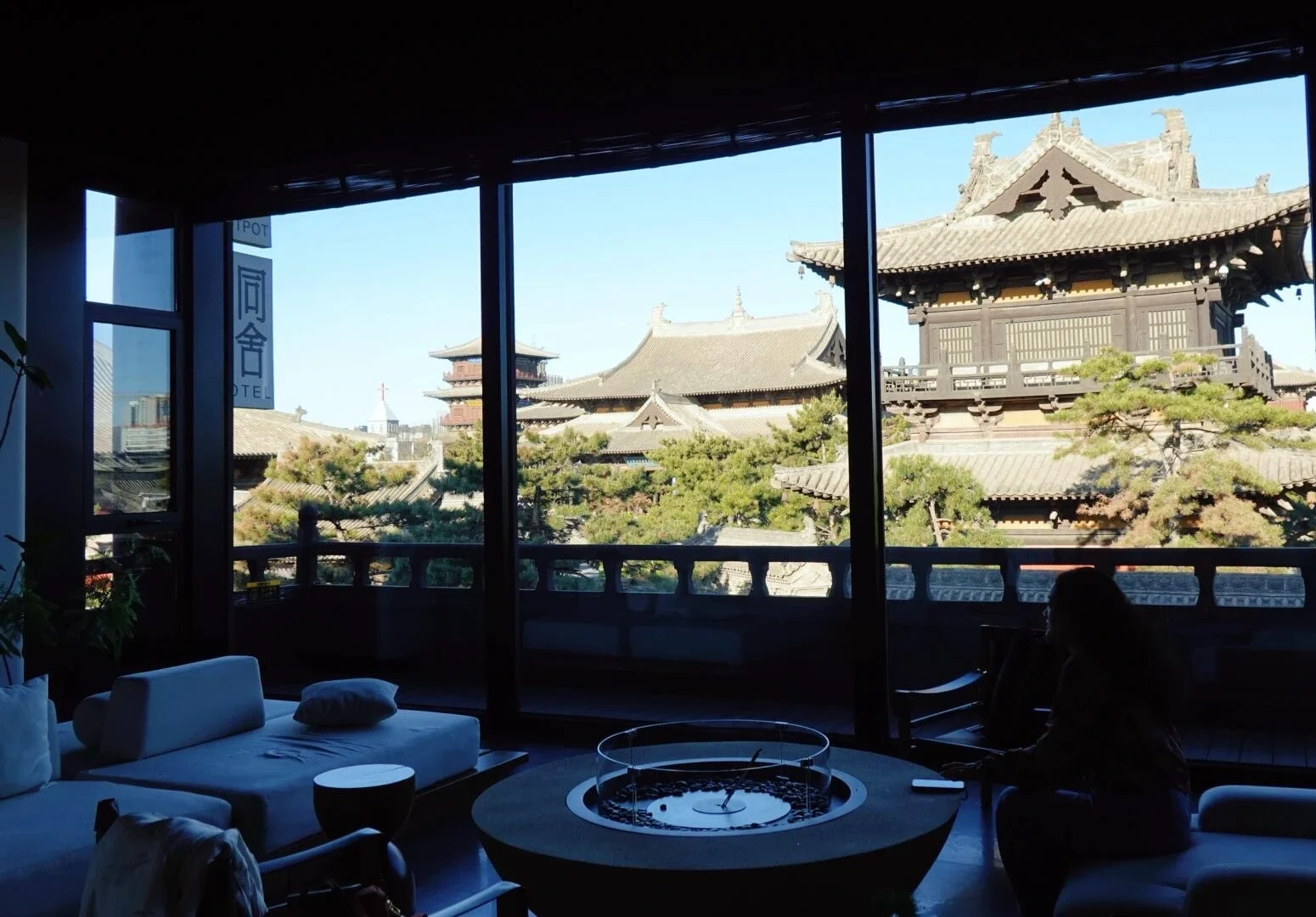
Where you stay in Shanxi should follow route logic, not just hotel convenience. Datong works best as a north-line cultural base, Pingyao is the strongest overnight old-city experience, and Taiyuan is usually the most practical gateway and support base. Mount Wutai and Hukou make sense only when they are central to the route, not by default.
Stay in Datong if your trip is built around the north line and you want a practical base for grottoes, temples, and major heritage sites. It is usually the best place to sleep on the Datong side rather than trying to stay closer to each separate attraction.
Stay in Pingyao if you want the full old-city experience rather than a quick daytime visit. This is one of the strongest places in Shanxi to slow down, walk at night, and treat the city itself as part of the trip, not just a stop on the map.
Stay in Taiyuan if you need the strongest transport base in the province. It works well for arrivals, departures, rail connections, and a more practical overnight stop between major route segments, even if it is not the emotional highlight of the trip.
Stay near Mount Wutai only if the mountain is a real focus of your trip. It makes the most sense for travelers who want temple time, an early start, or a more immersive Buddhist-mountain experience.
Stay near Hukou only if it is a major planned stop on a longer route. For most first-time visitors, it is more of a functional overnight choice than a place worth building extra stay time around.
Stay near family compounds or deeper cultural sites only if you are doing a more specialized route. For most first-time trips, these places work better as add-ons from a stronger base than as independent overnight anchors.
Shanxi food is one of the province’s most underrated reasons to visit. It is not just about knife-cut noodles, but about a broader wheat-based food culture shaped by hearty northern cooking and a distinctive vinegar logic that gives many dishes more lift and balance than outsiders expect.

Knife-cut noodles are the best-known Shanxi classic for a reason. The texture is firmer and more irregular than many other Chinese noodle styles, which gives each bowl more bite and character. They are a strong choice for travelers who want a clear first taste of Shanxi’s everyday food culture without needing much background knowledge.

What makes Shanxi food stand out is not only noodles, but the role of aged vinegar in the local flavor system. Compared with the heavier soy-driven profile common in Beijing-style food, or the stronger chili-and-sour punch you may find in parts of Shaanxi, Shanxi’s vinegar use is often deeper, rounder, and more integrated. It suits travelers who like savory food with brightness rather than pure heaviness.

Pingyao beef is one of the province’s best-known meat specialties and works especially well if your route includes Pingyao. It is worth trying because it adds a merchant-town food identity that feels different from the noodle-first image many visitors arrive with. The flavor is rich, savory, and straightforward, which makes it an easy entry point for most travelers.

Shanxi is one of the strongest provinces in China for travelers who want to understand how broad wheat-based food culture can be. Beyond knife-cut noodles, you will run into many other noodle, dumpling, and steamed or shaped flour dishes that show how central wheat is to daily life here. This is one of the clearest differences from food cultures that lean more heavily on rice or on a narrower range of staple dishes.
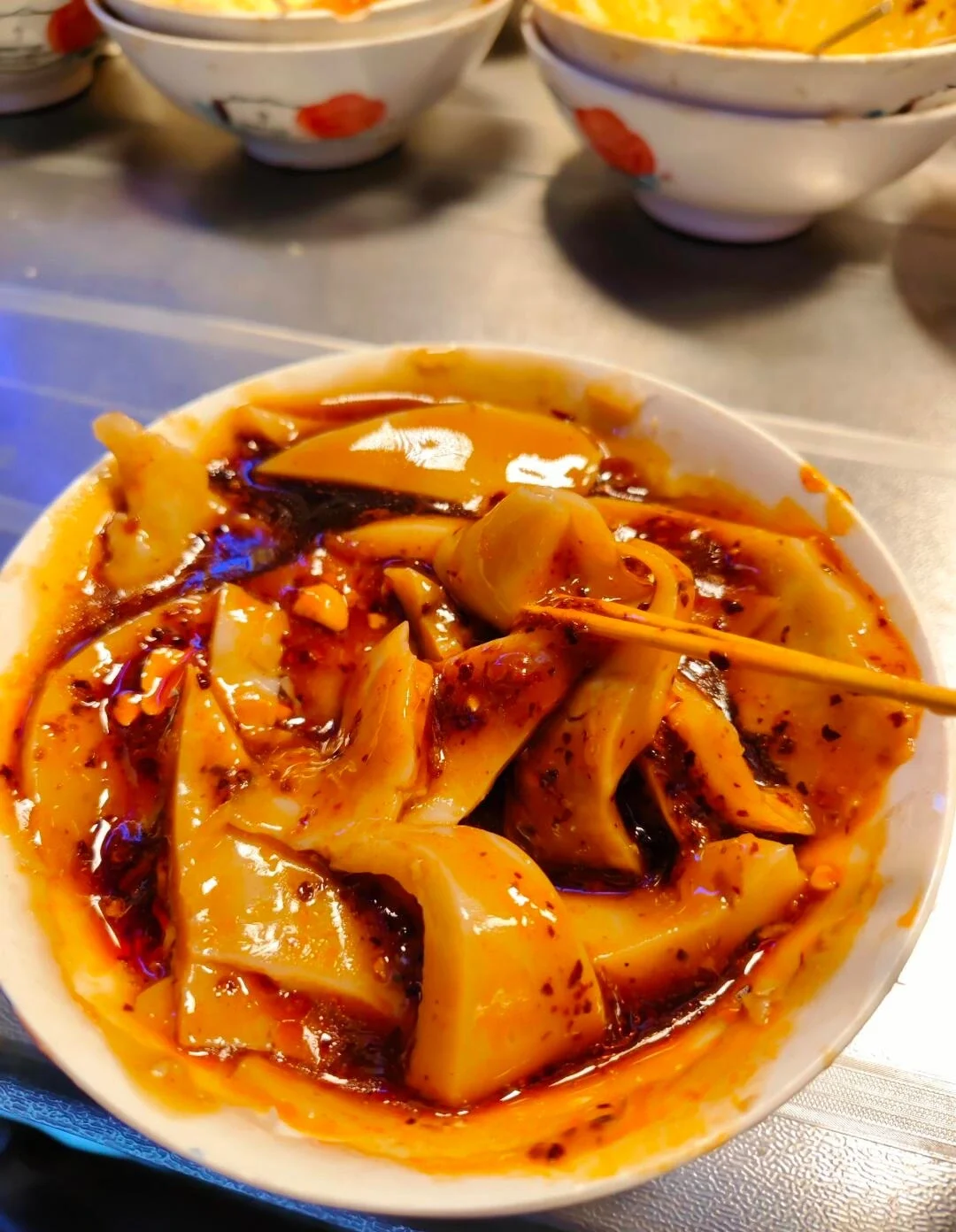
Taiyuan tends to give you the easiest broad introduction because it pulls together dishes from different parts of the province. Datong often feels a bit more northern and sturdy in style, while Pingyao adds a clearer merchant-town identity and more food that fits an old-city stay. In mountain and temple areas such as Mount Wutai, meals are often simpler and more functional, which can actually fit the travel rhythm well if that part of the route is more about temples and walking than dining.
Shanxi food is usually more vinegar-shaped than Beijing food, less aggressively chili-led than many dishes associated with Shaanxi, less plain than some everyday Henan meals, and less centered on meat-heavy grassland influence than parts of Inner Mongolia. The result is a northern food culture that feels hearty but not blunt, filling but often more layered than first impressions suggest.
Try one proper bowl of knife-cut noodles, not just the most convenient one
Pay attention to how vinegar is used, because it defines the province’s flavor identity
Add Pingyao beef if your route includes Pingyao
Leave room for other wheat-based local dishes instead of treating one noodle bowl as enough
Expect city-to-city differences rather than one single Shanxi taste
In mountain or temple zones, accept that simpler food can be part of the experience
Shanxi is not one of the most expensive provinces to travel in China, but costs can rise once you start adding more cities, longer transfers, and road-based side trips. For most first-time visitors, the core budget usually sits around the Datong–Pingyao–Taiyuan or Datong–Pingyao–Mount Wutai structure, while Hukou and deeper southern add-ons tend to push the trip higher.
Budget level | What it usually looks like | Typical cost per person |
|---|---|---|
Budget-ish cultural route | Basic hotels, high-speed rail, simpler meals, focused sightseeing | RMB 2,400–3,400 for 3–5 days |
Mid-range classic route | Comfortable hotels, smoother transfers, fuller sightseeing, more dining variety | RMB 4,300–6,300 for 6–8 days |
Comfortable private route | Better hotels, private transfers, more flexible timing, selected guided visits | RMB 6,900–9,600 for 8–10 days |
Multi-city routes such as Datong + Pingyao + Mount Wutai usually cost more than a simpler two-core trip
Hukou and other longer-transfer extensions raise costs more quickly than core-city travel
Private transfer to compounds, temples, passes, or deeper cultural sites can noticeably increase the total
Peak seasons and public holidays can push up hotel and transport prices
The classic first-trip cost usually stays centered on the Datong–Pingyao–Taiyuan or Mount Wutai axis
Southern add-ons and longer routes cost more, but usually not at the level of Tibet or Xinjiang
For most travelers, Shanxi becomes expensive only when the route gets too stretched. A cleaner classic first trip is usually more cost-effective than trying to force in every major name. If you want to compare this with wider country planning, see our guide on the cost to travel China.
Shanxi is easier to enjoy when you treat it as a structured cultural route rather than a loose collection of famous places. A smoother first trip usually comes from clearer choices, realistic transfer planning, and enough space between temple and architecture-heavy stops.
Do not treat Shanxi as a one-stop trip built only around Pingyao or only around Datong
Choose the main route first, then add extensions only if the structure still works
Datong, Pingyao, Taiyuan, and Mount Wutai play different roles, so do not plan them as if they offer the same kind of experience
Do not force Mount Wutai, Hukou, and southern Shanxi into one short first trip
High-speed rail is convenient, but the last transfer to the actual sight often matters more
Expect spring wind, dry air, and noticeable day-night temperature gaps across the province
Mountain areas such as Mount Wutai can feel much colder than the cities, even within the same trip
Do not overload temple- and architecture-heavy days, or the route can start to feel visually repetitive
Book trains, tickets, and hotels earlier in peak seasons and major holiday periods
Pack for dry weather, walking, and temperature swings rather than for one fixed city climate. For packing help, see our guide on what to pack for China.
If you want broader first-time advice, see our China Travel Tips guide.

Shanxi is strong in all four, but not equally for every traveler. Its real strength is ancient architecture first, then Buddhist and grotto culture, then old-city and merchant-history travel, with Yellow River and border-pass scenery as a more selective extension.
Shanxi is one of the strongest provinces in China. If your main goal is to see historic timber structures, temple architecture, courtyard compounds, and built heritage across different dynasties, Shanxi is hard to beat. This is the clearest reason to choose the province.
Shanxi is also exceptionally strong. Datong gives you one of the country’s most important grotto-and-Buddhist-art systems, while Mount Wutai adds a major sacred mountain landscape with temple depth and religious atmosphere. If your interest is Buddhist heritage rather than only scenery, Shanxi works very well.
Shanxi is very strong, mainly because of Pingyao and the wider merchant-culture context around it. If you enjoy old streets, courtyard stays, banking history, and the feeling of a preserved late-imperial urban world, Shanxi is a rewarding choice. Still, this side of the province is strongest when combined with architecture or Buddhist heritage rather than treated alone.
Shanxi can work, but this is usually the most selective reason to come. Hukou and places such as Yanmen Pass add strong landscape and frontier contrast, but they are less central to most first trips than the architecture, grotto, and old-city core. They usually make more sense as route extensions than as the main reason to choose Shanxi.


Discover the Great Wall of China: its history, cultural significance, top sections to visit, and nearby attractions.

Discover the beauty of Guilin with this travel guide—explore stunning karst landscapes, Li River cruises, local cuisine, and top attractions in one trip.

For restaurants, Feng Shui isn’t just about decoration—it’s about how your layout, colors, lighting, and even furniture placement can affect customer moods, spending habits, and how long they stay.
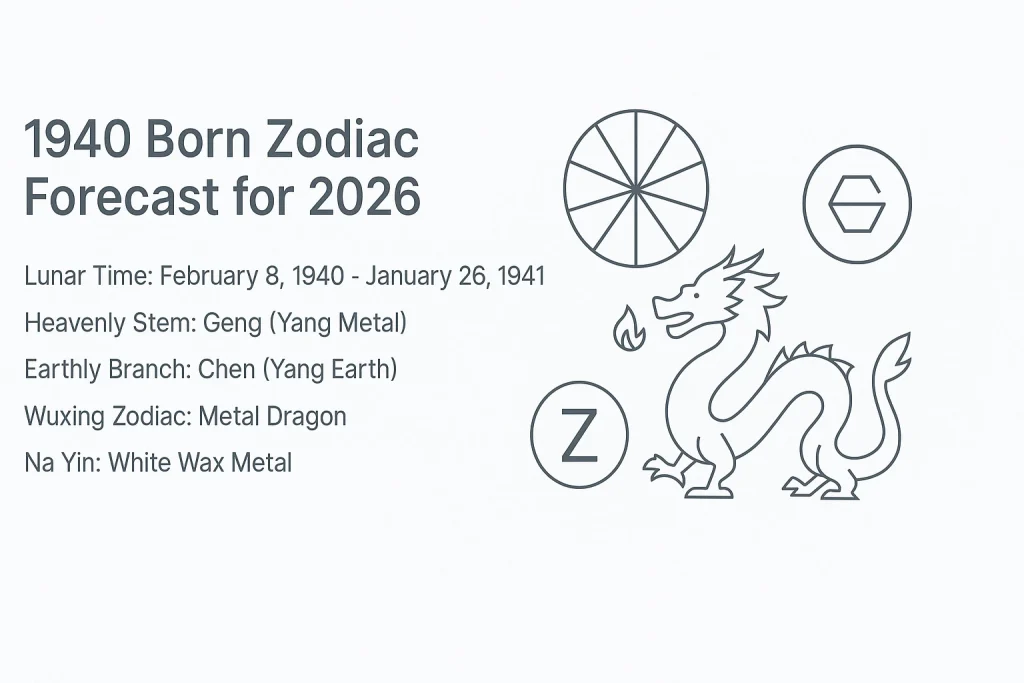
A calm and supportive 2026 forecast for people born in 1940, focusing on health, family harmony, financial stability, and a peaceful, well-balanced retirement year.

In ancient China, yellow roofs in the Forbidden City signified imperial authority, cultural symbolism, and strict architectural hierarchy reserved for the emperor.

Mooncakes are traditional Chinese pastries, round and rich, symbolizing reunion during Mid-Autumn Festival, often filled with sweet or savory fillings.


