
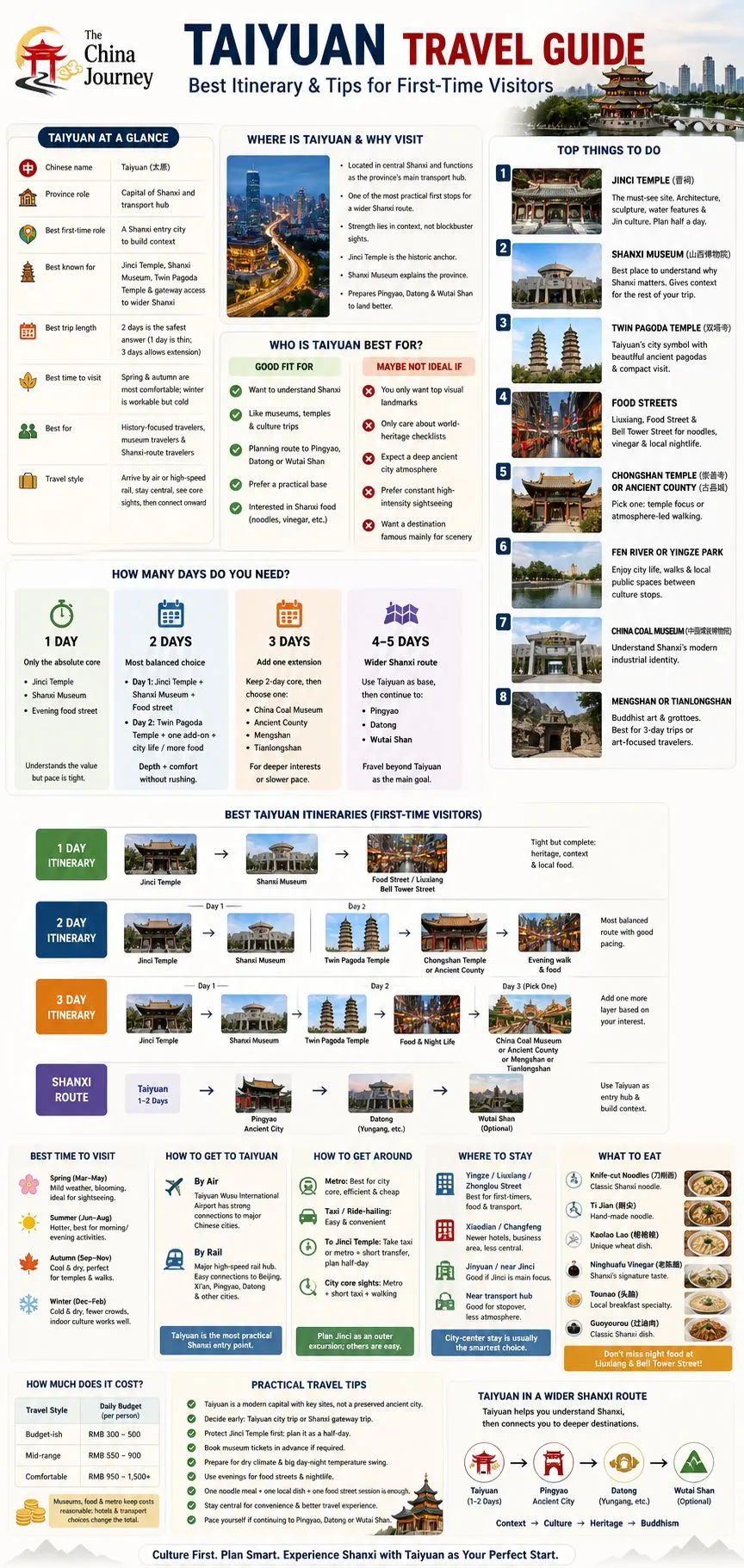
Taiyuan is best understood as a culture-first capital, not a city built around one blockbuster sight. Its value lies in how it helps first-time visitors enter Shanxi: Jinci Temple anchors the city’s historic identity, the museum layer explains the province, and the transport network makes wider routes easier to organize.
This guide helps you decide whether Taiyuan fits your trip, how many days to stay, what to prioritize first, and how to connect it smoothly with Pingyao, Datong, and Wutai Shan. For most first-time visitors, Taiyuan works best not as the final highlight, but as the place that helps the rest of Shanxi make sense.
| Field | Quick Take |
|---|---|
| Chinese name | Taiyuan (太原) |
| Province role | Capital of Shanxi and the province’s main transport and administrative hub |
| Best first-time role | A Shanxi entry city that builds context before deeper heritage stops |
| Best known for | Jinci Temple, Shanxi Museum, Twin Pagoda Temple, and gateway access to wider Shanxi |
| Best trip length | 2 days is the safest first-trip answer; 1 day is thin; 3 days allows one extension |
| Best time to visit | Spring and autumn are usually the most comfortable; winter is workable but cold |
| Best for | History-focused travelers, museum travelers, and people building a Shanxi route |
| Travel style | Arrive by air or high-speed rail, stay central, see Jinci + museum core, then connect onward |
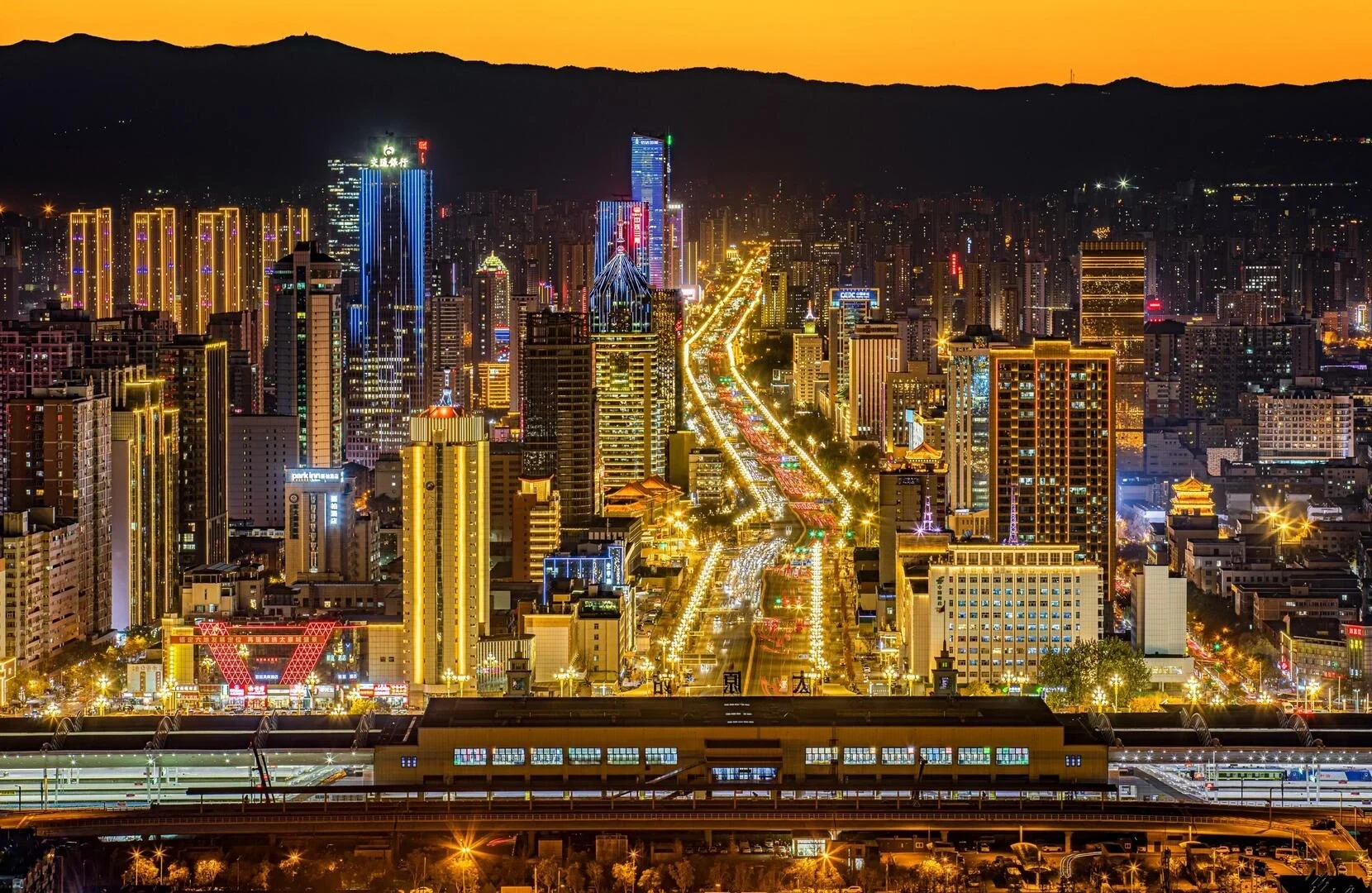
Taiyuan sits in central Shanxi and works best as the province’s main entry city. As the capital, it pairs Jinci with a strong museum layer, giving first-time visitors a clearer Shanxi framework before they move deeper into the province.
Taiyuan is in central Shanxi and functions as the province’s main transport hub.
It is one of the most practical first stops for a wider Shanxi route.
Its strongest role is not visual shock, but building a usable Shanxi understanding framework.
Jinci is the city’s key historic anchor and the clearest reason to give Taiyuan real sightseeing time.
Shanxi Museum helps turn Taiyuan from a transfer city into a meaningful first-stop city.
For many travelers, Taiyuan works best as the place that prepares Pingyao, Datong, and Wutai Shan to land better.

Taiyuan works best for travelers who want context, not just highlights. It suits people who like museums, historic sites, local food, and a city that helps organize a wider Shanxi route.
Good fit for…
Travelers who want to understand Shanxi before going deeper into the province
People who like museums, temples, and culture-led city trips
Visitors planning a Shanxi route through Pingyao, Datong, or Wutai Shan
Travelers who prefer a practical base instead of changing hotels too often
Food-focused visitors interested in noodles, vinegar, and everyday Shanxi flavors
Maybe not ideal if…
You mainly want China’s biggest visual landmarks and most famous icons
You only care about headline world heritage checklists and not the wider context
You expect a deeply preserved old-city atmosphere like Pingyao
You prefer high-intensity sightseeing with constant dramatic payoff
You want a destination that wins mainly through scenery rather than history and structure
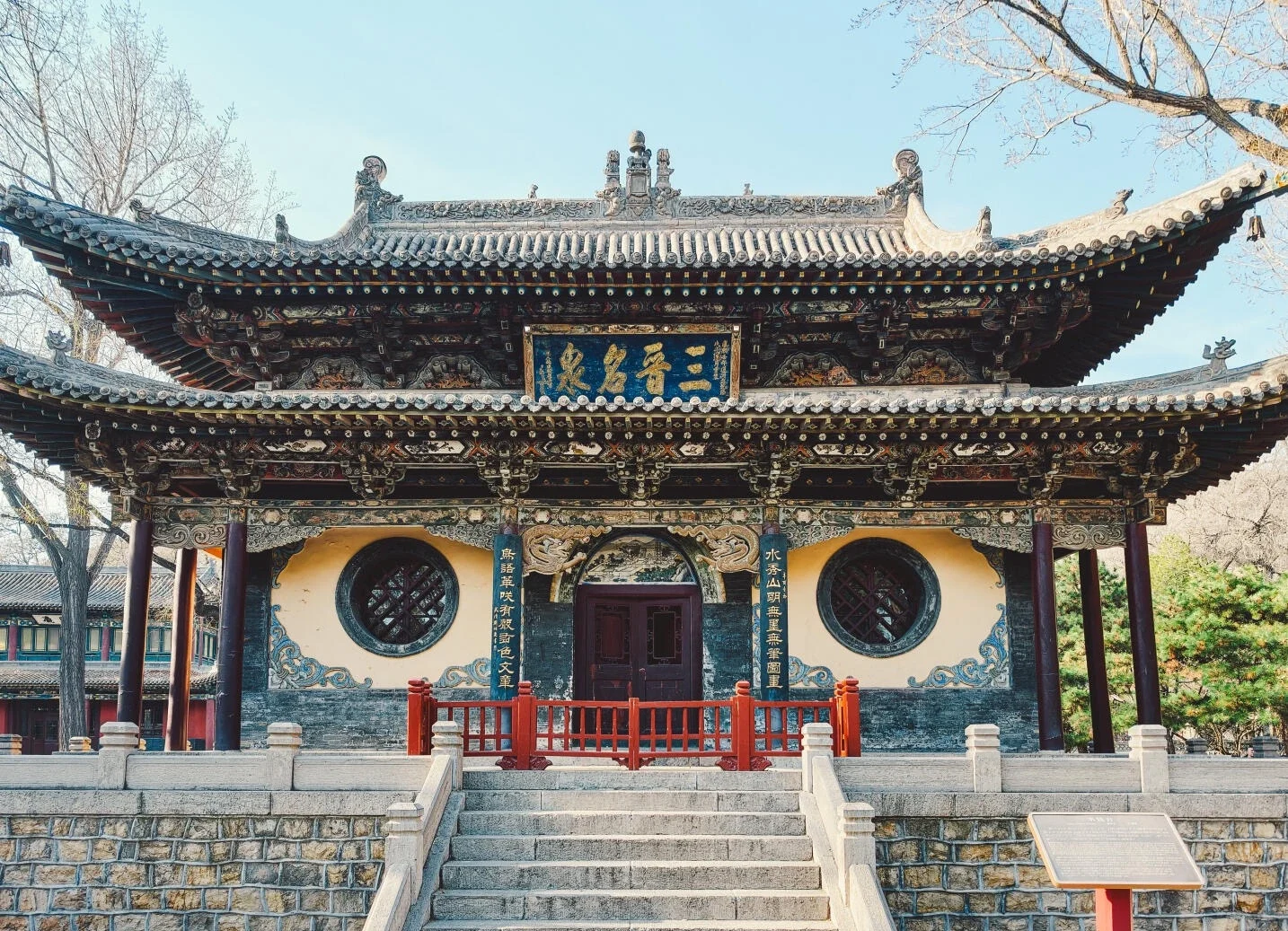
Jinci Temple is the single most important place to see in Taiyuan and the clearest reason the city matters on a first trip. It is worth visiting because it gives you Taiyuan’s strongest historic anchor through architecture, sculpture, water features, and the broader cultural memory of Jin culture. It suits almost all first-time visitors, especially travelers interested in Chinese architecture, history, and heritage rather than urban entertainment. In route terms, this is the city-defining core and should usually take half a day. If time is limited, keep Jinci first and cut lower-priority add-ons before you cut this.
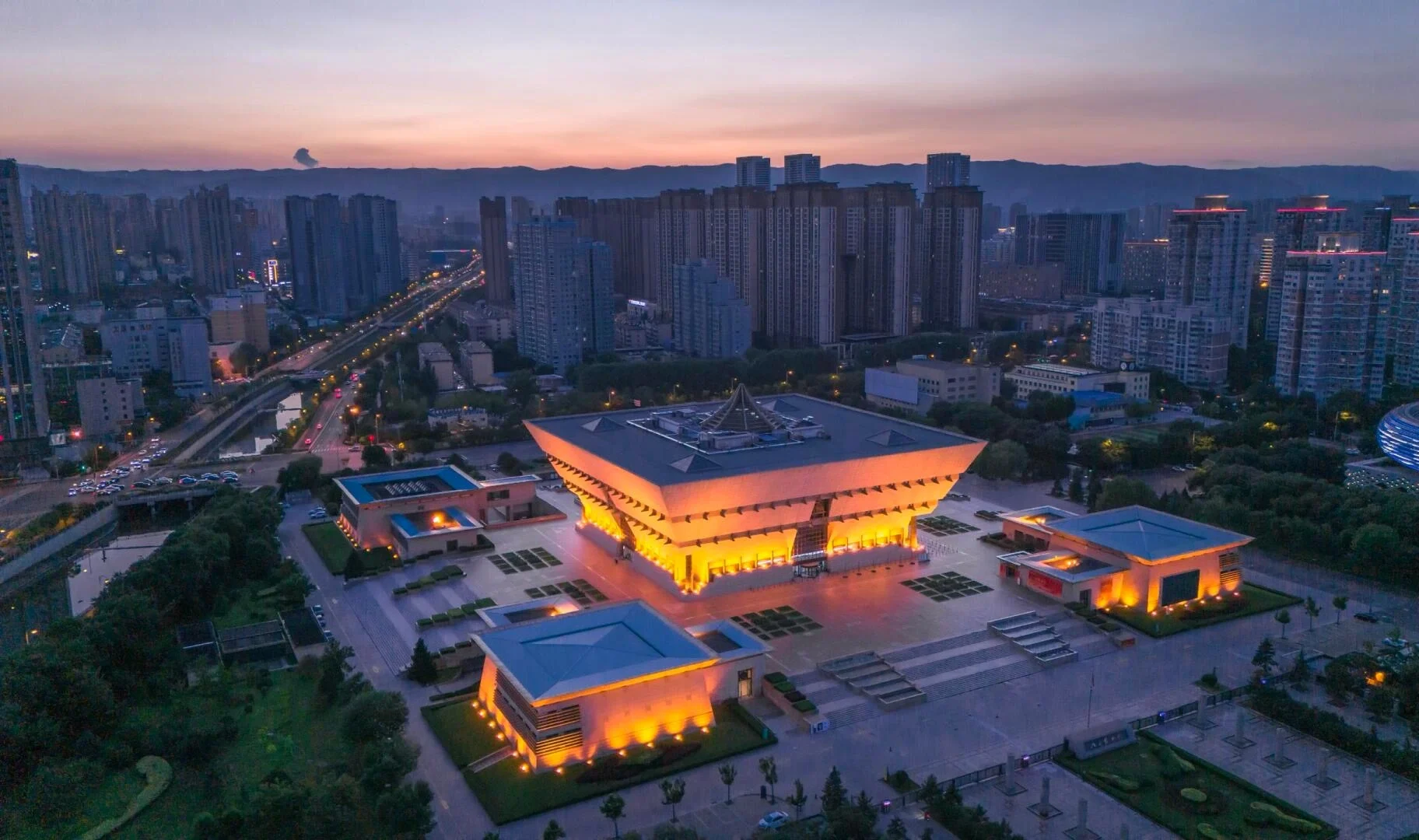
Shanxi Museum is the best first-stop museum for understanding why Shanxi matters, not just why Taiyuan matters. It is worth visiting because it gives structure to the rest of your trip. After the museum, Pingyao, Datong, and Wutai Shan usually make more sense. It suits culture-led travelers, museum visitors, and anyone building a wider Shanxi route. In Taiyuan route logic, this is not a secondary indoor backup but one of the two core first-trip pillars alongside Jinci. If you only have one day, Jinci and Shanxi Museum are still the strongest pair.
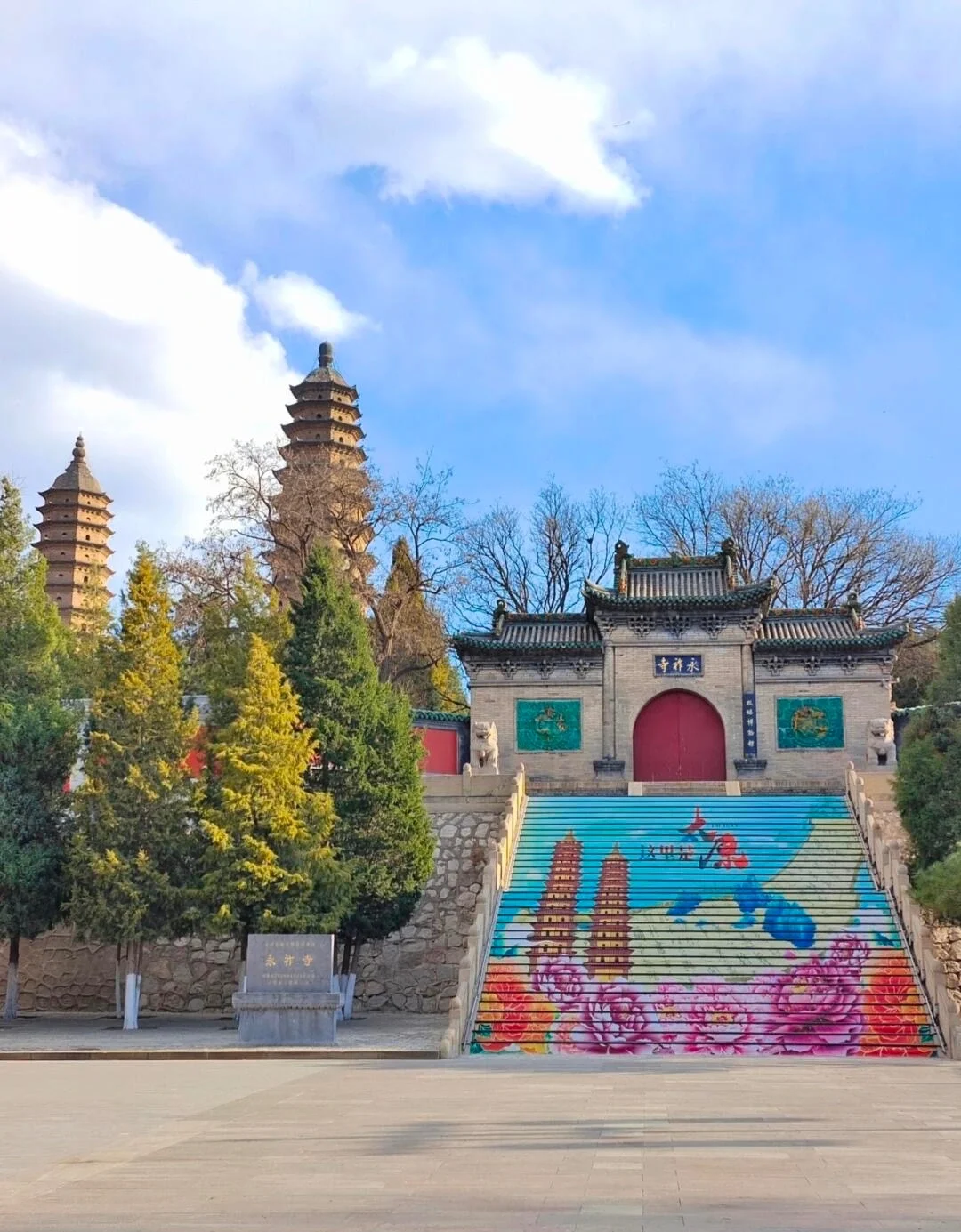
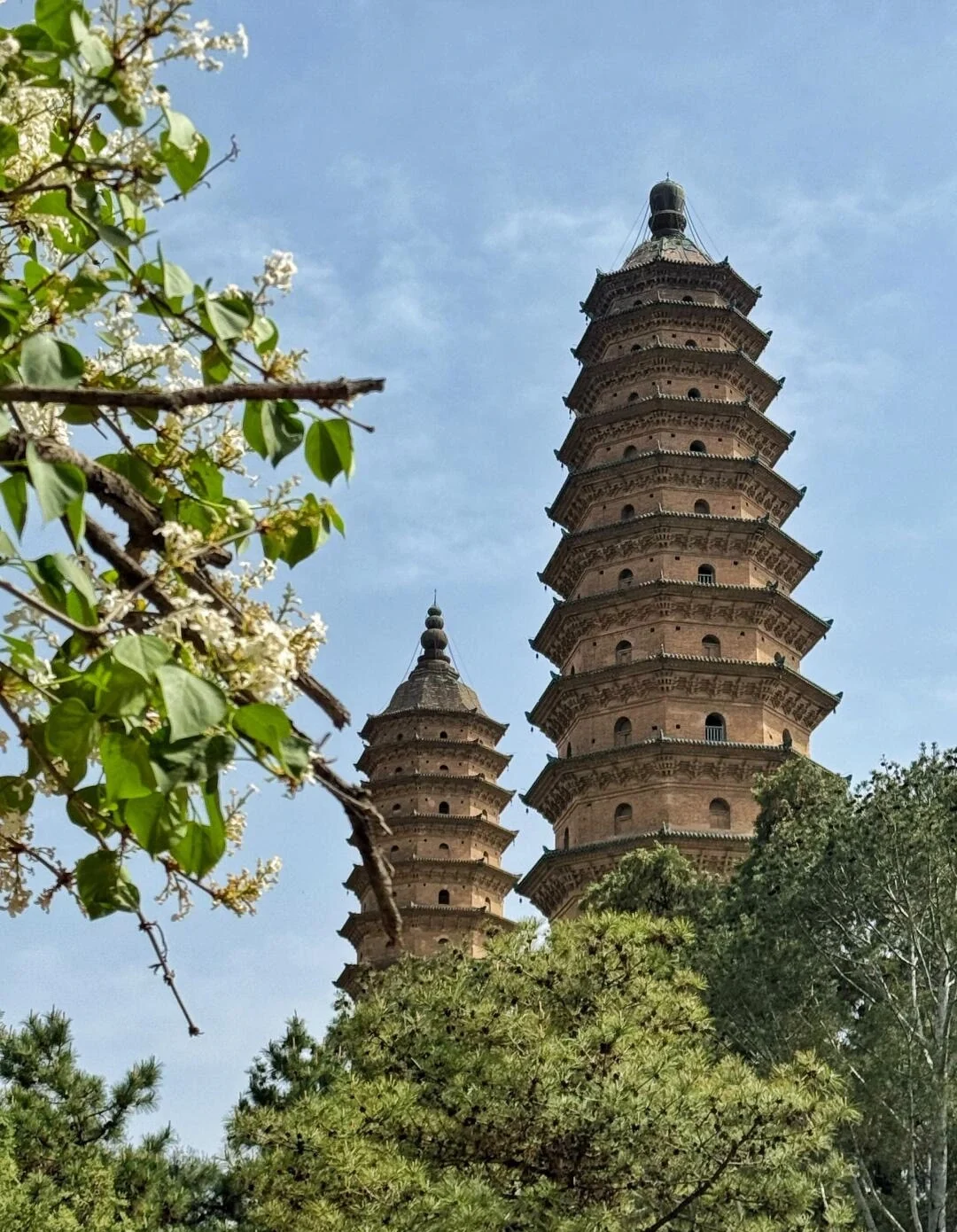
Twin Pagoda Temple is worth visiting because it gives Taiyuan a strong visual symbol and a more compact ancient-architecture experience after the larger historical weight of Jinci. It suits travelers who enjoy pagodas, city landmarks, photography, and shorter heritage stops that do not require a full half day. In your route, this is the best second-tier historic add-on after Jinci and Shanxi Museum. If you have two days, it deserves serious consideration. If you only have one day, it usually ranks below the two core anchors and below one focused food session.
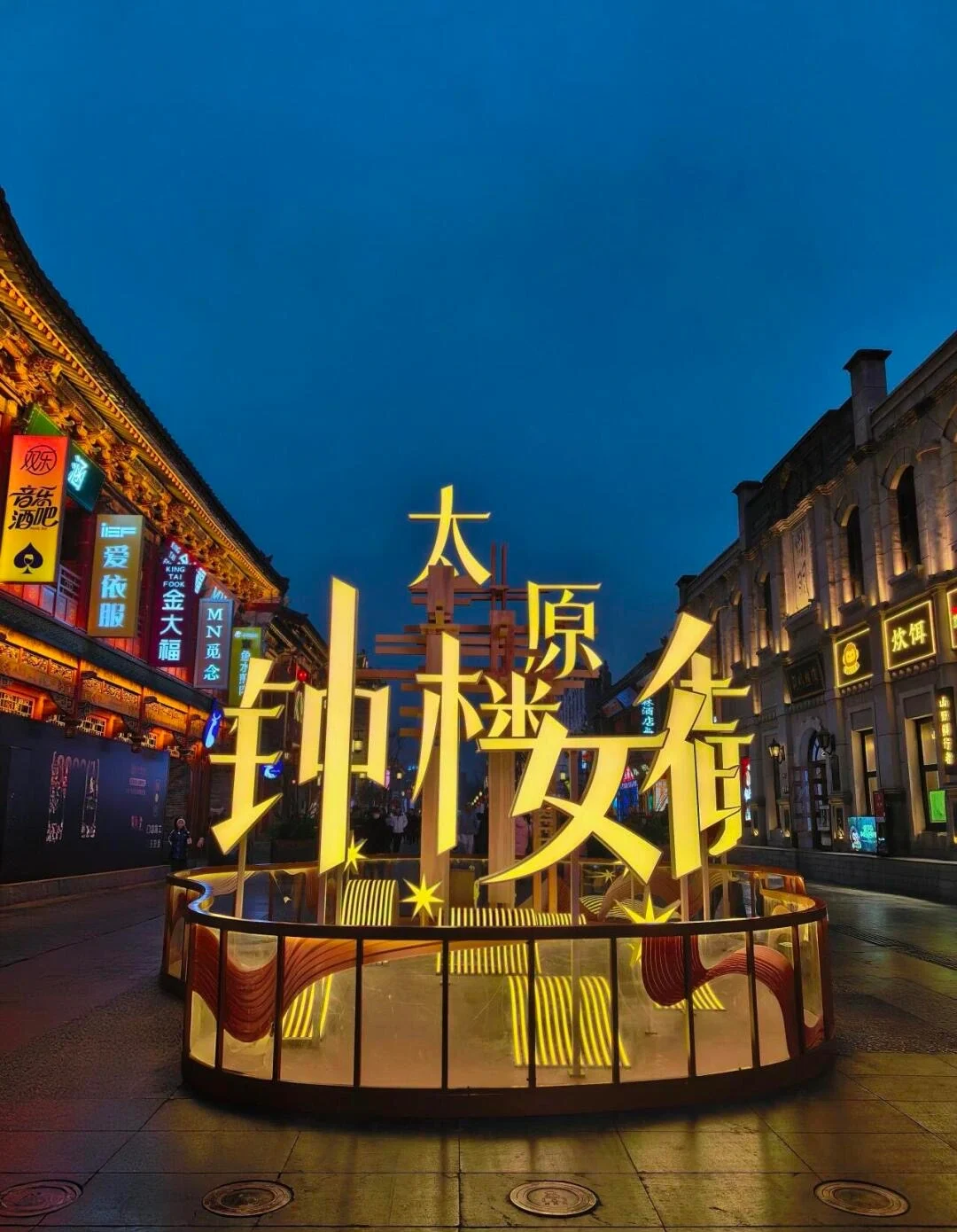
This food-and-night-walking layer is one of the best ways to experience Taiyuan as a living city rather than just a museum stop. It is worth doing because Shanxi noodles, vinegar culture, casual street food, and local evening rhythm are central to the city’s identity. It suits almost everyone, especially first-time visitors who want a more grounded and less formal side of the city. In route terms, this is the main daily-life and food layer, usually best placed in the evening. If time is limited, keep at least one focused food-street session because it adds more to the trip than many smaller minor sights.
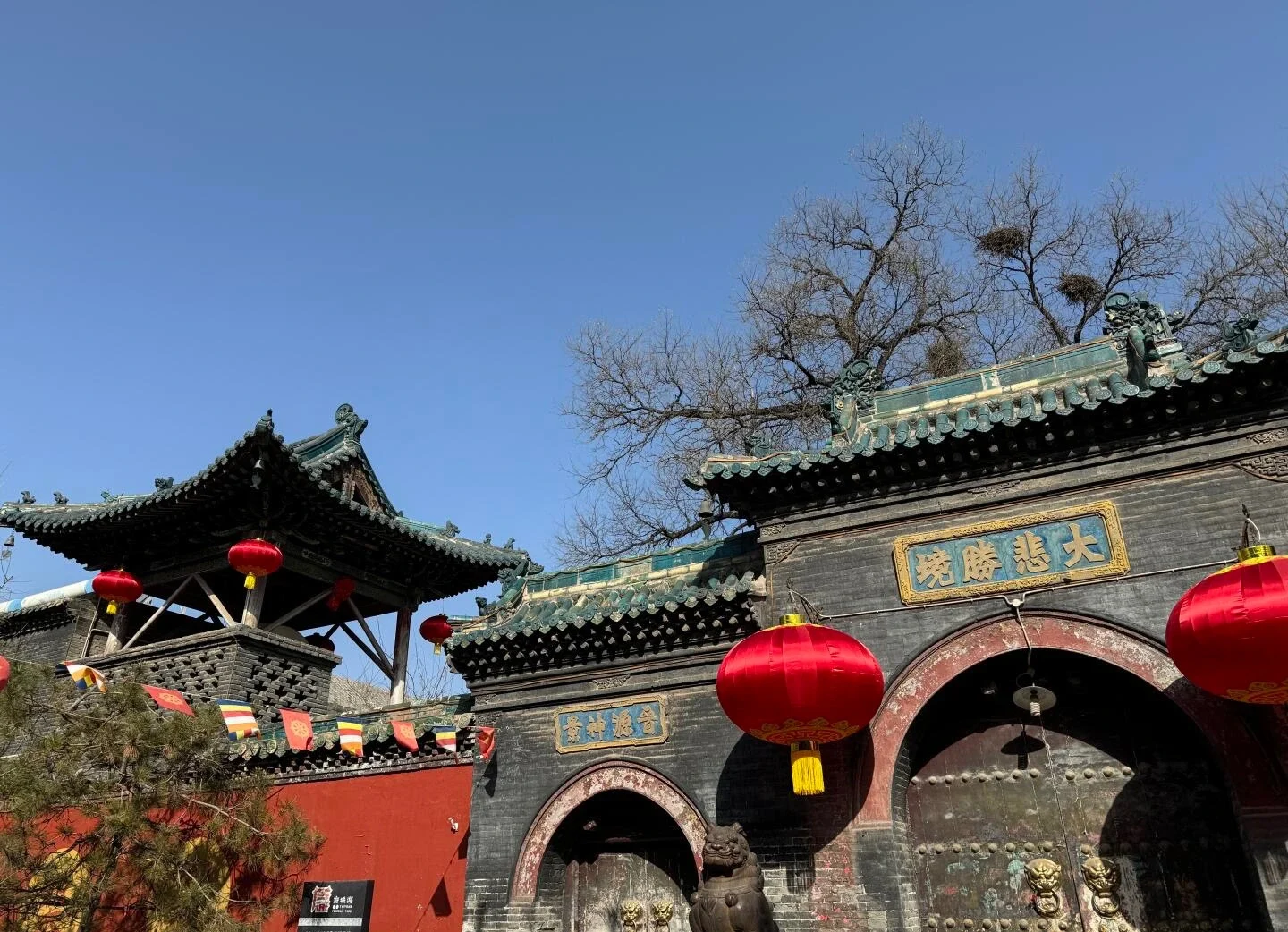
This is a selective add-on, not a mandatory double stop. Chongshan Temple is the better choice if you want a compact Buddhist and architectural layer in the city. Taiyuan Ancient County works better if you want a more open, walkable, atmosphere-led extension. Both suit travelers who already have Jinci and Shanxi Museum in place and want one more cultural layer without overloading the route. In your Taiyuan plan, treat this as a pick-one slot. If you only have one day, skip both. If you have two days, choose based on whether you want temple focus or easier strolling.
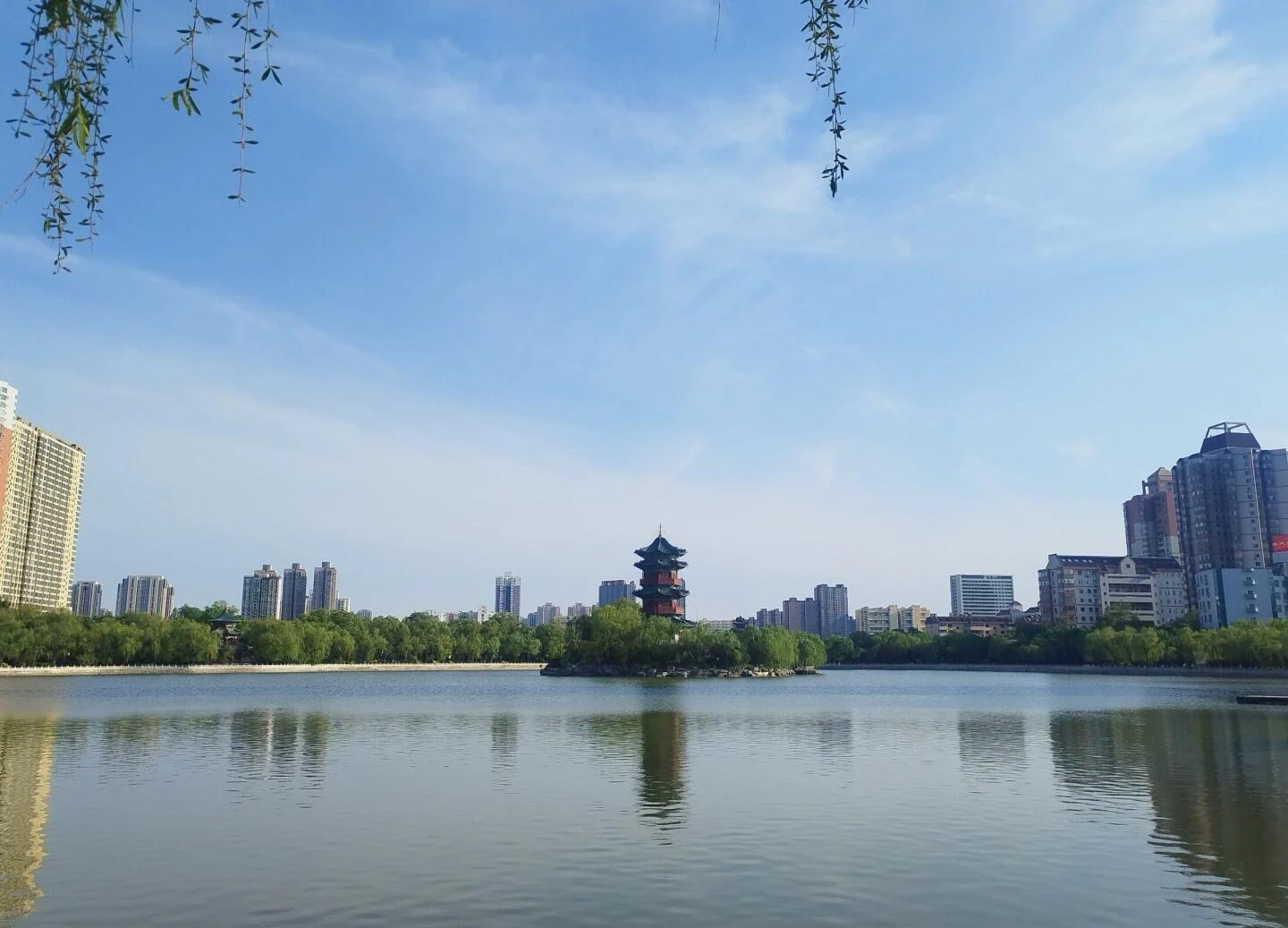
Fen River or Yingze Park is worth adding not because either is a headline attraction, but because Taiyuan works better with some everyday urban breathing space. They suit travelers who like slower pacing, city walking, local public-space life, and a break between heavier cultural stops. In route terms, this is a softening layer rather than a must-see landmark. It works especially well on a 2-day or 3-day trip when you want to make the city feel more lived-in and less checklist-driven. If time is tight, this ranks below Jinci, Shanxi Museum, Twin Pagoda Temple, and the food layer.
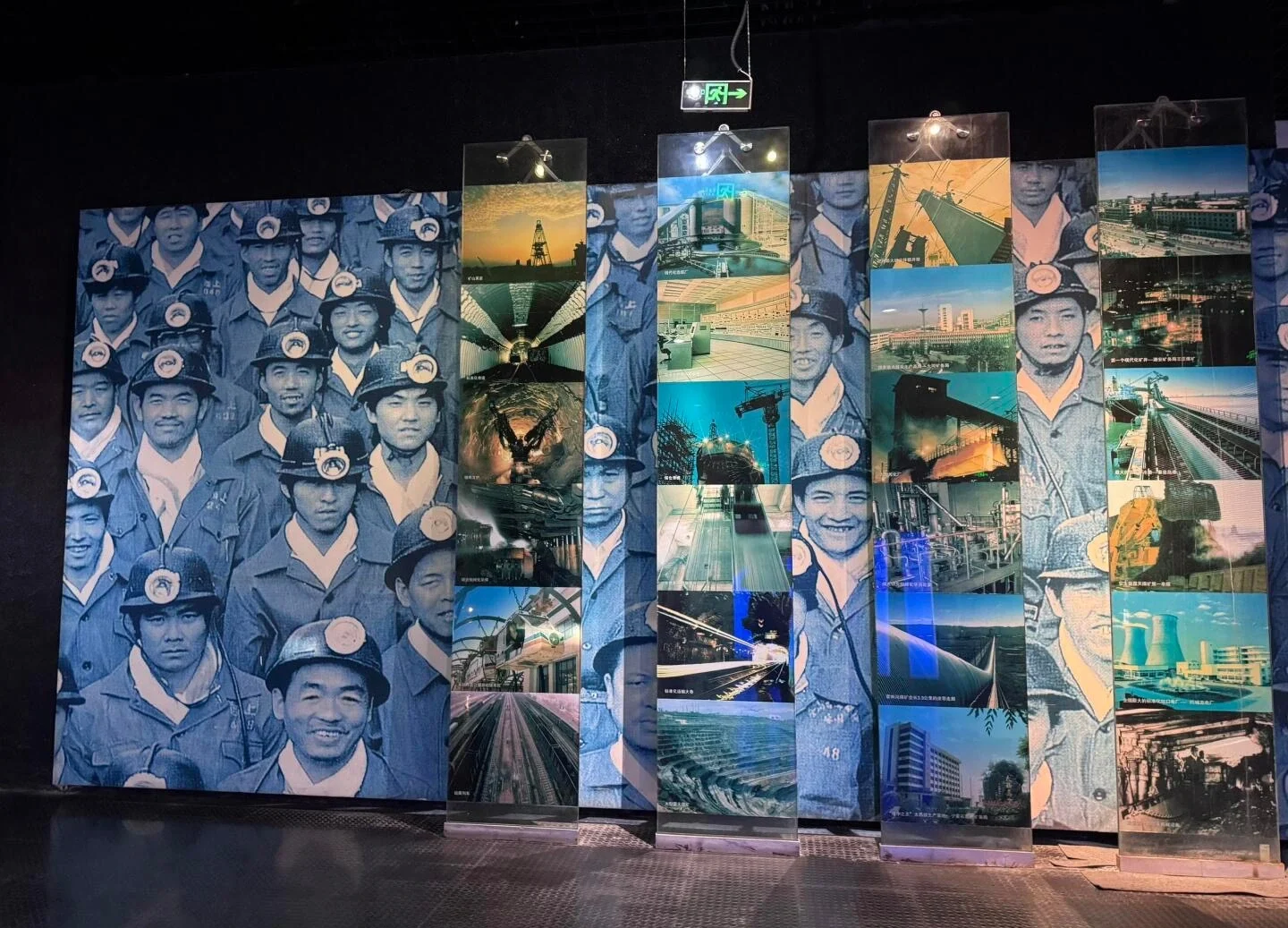
The China Coal Museum is worth considering because it explains a major part of modern Shanxi identity that many travelers otherwise miss. It suits visitors who want more than dynastic history and want to understand the province’s industrial and resource story as well. In route logic, this is a specialized add-on, not a core first-trip essential. It makes more sense for repeat visitors, museum-heavy travelers, or anyone especially interested in modern China, industry, and regional identity. If time is limited, it should rank below Jinci, Shanxi Museum, and the strongest historic city layers.
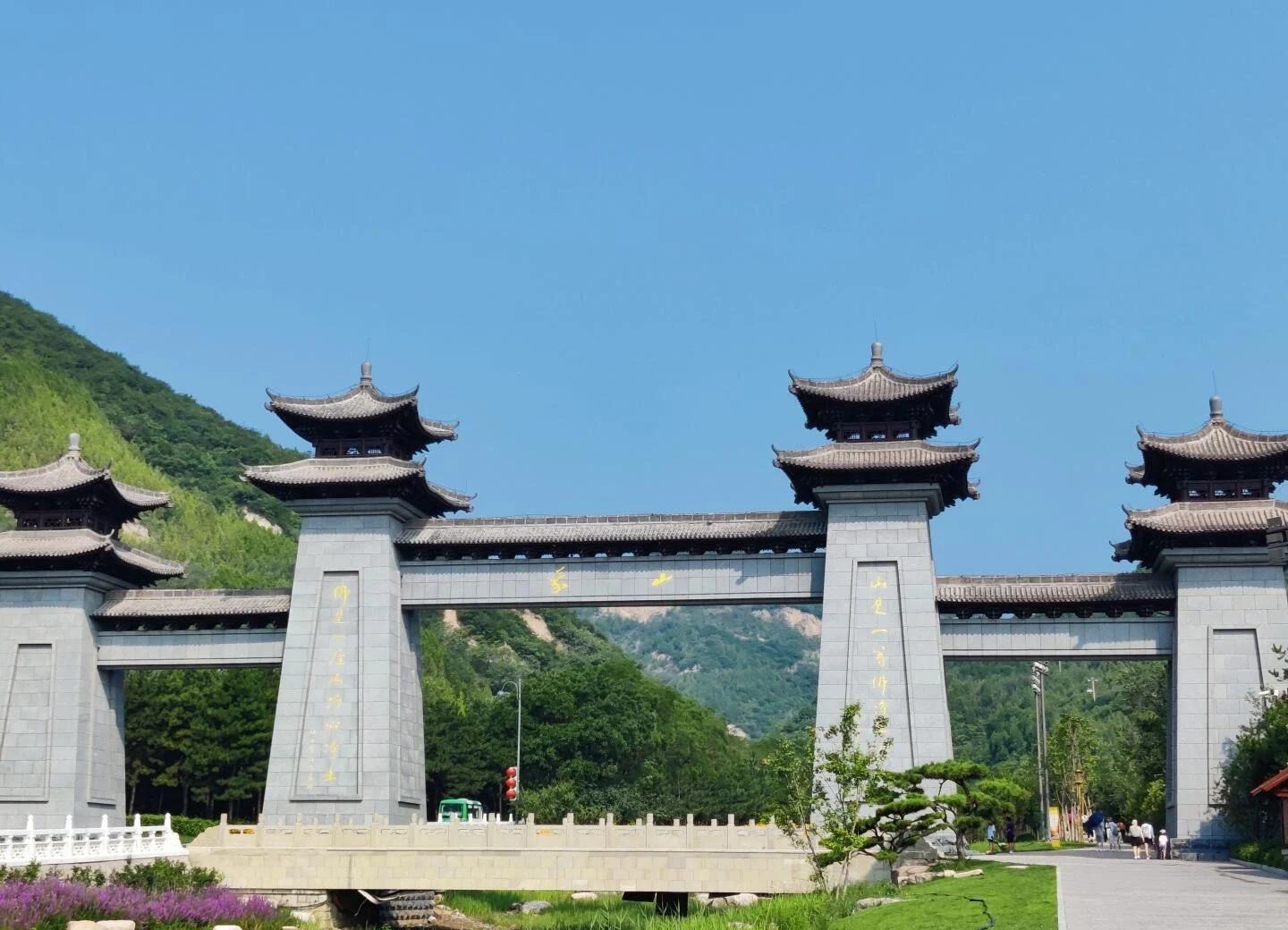
Mengshan or Tianlongshan works best as a deeper extension rather than a standard first-trip requirement. They are worth visiting if you want a stronger Buddhist-art, grotto, or large-sculpture layer beyond central Taiyuan. They suit travelers with three days, a strong interest in religious art, or a desire to push beyond the most standard city route. In your Taiyuan structure, these are optional half-day or day-extension choices after the core city has already been covered well. If you are choosing between them and the core list, they clearly rank lower for most first-time visitors.

Taiyuan works best when you keep expectations clear. Most first-time visitors do not need a long standalone stay. The goal is to cover the culture-first core, add the food layer, and decide whether one secondary layer is worth your time.
1 day: Enough only for the absolute core. In practice, this usually means Jinci Temple + Shanxi Museum + evening food street. You can understand Taiyuan’s value, but the pace is tight and the city will feel compressed.
2 days: This is usually the safest and most balanced Taiyuan-first-timer structure. It gives you the two core anchors, plus room for Twin Pagoda Temple and a real food-and-city layer without rushing.
3 days: Best if you want one more secondary layer or a half-day extension. This is when places like Chongshan Temple, Taiyuan Ancient County, China Coal Museum, Mengshan, or Tianlongshan start to make sense.
4–5 days: Usually not necessary for Taiyuan city itself. At that point, you are really building a wider Shanxi route, with Taiyuan as the organizing base rather than the only destination.
For most first-time visitors, 2 days is the clearest answer: long enough to understand Taiyuan properly, short enough to keep the wider Shanxi trip moving well.
If you are still shaping a longer national route, it also helps to think through How Long to Spend in China before deciding how much time Taiyuan should take.

Who it’s for
Travelers with very limited time, or people using Taiyuan mainly as an entry or transfer city but still wanting the core experience.
Route logic
Protect the two most important cultural anchors first, then finish with the food layer. Do not try to add too many smaller sites.
Main stops
Jinci Temple → Shanxi Museum → Liuxiang / Food Street / Bell Tower Street
Why this itinerary works
This is the tightest workable version of Taiyuan. It gives you the city’s strongest historic site, the best province-level museum context, and the food layer that makes Taiyuan feel lived-in rather than purely academic. It is still compressed, but it clearly shows what Taiyuan is and why it matters within Shanxi.

Who it’s for
Most first-time visitors who want the most balanced Taiyuan structure without overextending the stay.
Route logic
Day 1 protects the two core pillars. Day 2 adds one city-symbol layer and one lighter city or food layer.
Main stops
Day 1: Jinci Temple → Shanxi Museum → evening food street
Day 2: Twin Pagoda Temple → Chongshan Temple or Taiyuan Ancient County → evening city walk or second food session
Why this itinerary works
This is usually the best first-time Taiyuan structure because it balances depth and practicality. You get the city-defining heritage site, the best Shanxi context, a visual landmark, and the everyday food rhythm that makes the city more complete. Nothing feels forced, and you leave with a clear sense of Taiyuan as a culture-first capital rather than just a transfer city.
Who it’s for
Travelers who are especially interested in history, museums, Buddhist art, or slower city pacing.
Route logic
Keep the 2-day core intact, then use the third day for one secondary layer or half-day extension rather than adding random city filler.
Main stops
Day 1: Jinci Temple → Shanxi Museum
Day 2: Twin Pagoda Temple → food-and-night layer
Day 3: choose one of the following: China Coal Museum / Taiyuan Ancient County / Mengshan / Tianlongshan
Why this itinerary works
Three days works only if the extra time is used selectively. This is not about making the city seem bigger than it is. It is about letting the core settle, then adding one more layer based on interest: industrial Shanxi, Buddhist art, or a slower extension beyond the basic city core. For most people it is optional, but for the right traveler it makes Taiyuan feel much fuller.

Who it’s for
Travelers planning a broader Shanxi route that includes places like Pingyao, Datong, or Wutai Shan.
Route logic
Treat Taiyuan as the cultural entry point and transport hub, not as the province’s most visually dramatic destination. Use it to build context before moving outward.
Main stops
Taiyuan 1–2 days: Jinci Temple → Shanxi Museum → food layer
Then continue to: Pingyao / Datong / Wutai Shan depending on route direction
Why this itinerary works
This is where Taiyuan becomes especially strong. The city helps organize Shanxi mentally and logistically. You arrive easily, understand the historical framework, get your first serious exposure to Jin culture, and then move on to more specialized destinations. Taiyuan-only logic is about the city itself; wider Shanxi logic is about using Taiyuan as the smartest starting point. That separation matters, and it is one of the main reasons Taiyuan deserves a place in a strong Shanxi itinerary.
If Taiyuan is only one part of a broader route, it also helps to map the bigger structure first in How to Plan a China Trip.
Taiyuan works year-round, but spring and autumn are usually the safest seasons for most first-time visitors. They make temples, museums, city walking, and food streets easiest to combine.

Spring is one of the best times to visit Taiyuan. The weather is usually mild enough for Jinci Temple, Twin Pagoda Temple, and general city walking, and historic sites often look their best in this season. The main downside is occasional dryness and wind.

Summer is workable, but hotter and less comfortable for long outdoor sightseeing. Ancient sites and city walking are better in the morning or late afternoon, while museums fit the hottest part of the day better. Night food areas feel lively, but daytime pacing needs more control.
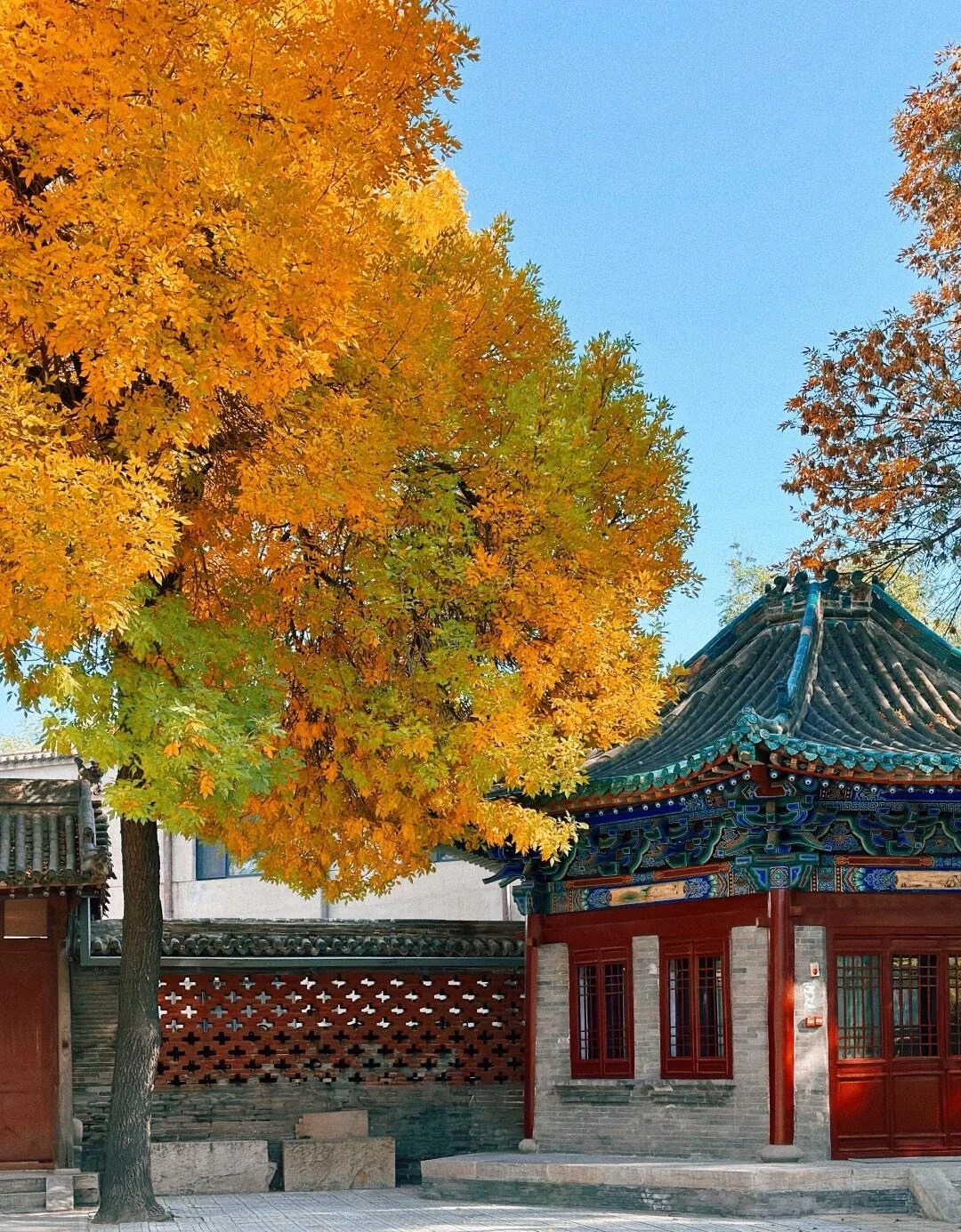
Autumn is often the most balanced season overall. The weather is cooler and drier, which makes temple visits, museum-hopping, and city walking feel easier. It is also one of the best seasons if Taiyuan is your first stop in a wider Shanxi route.
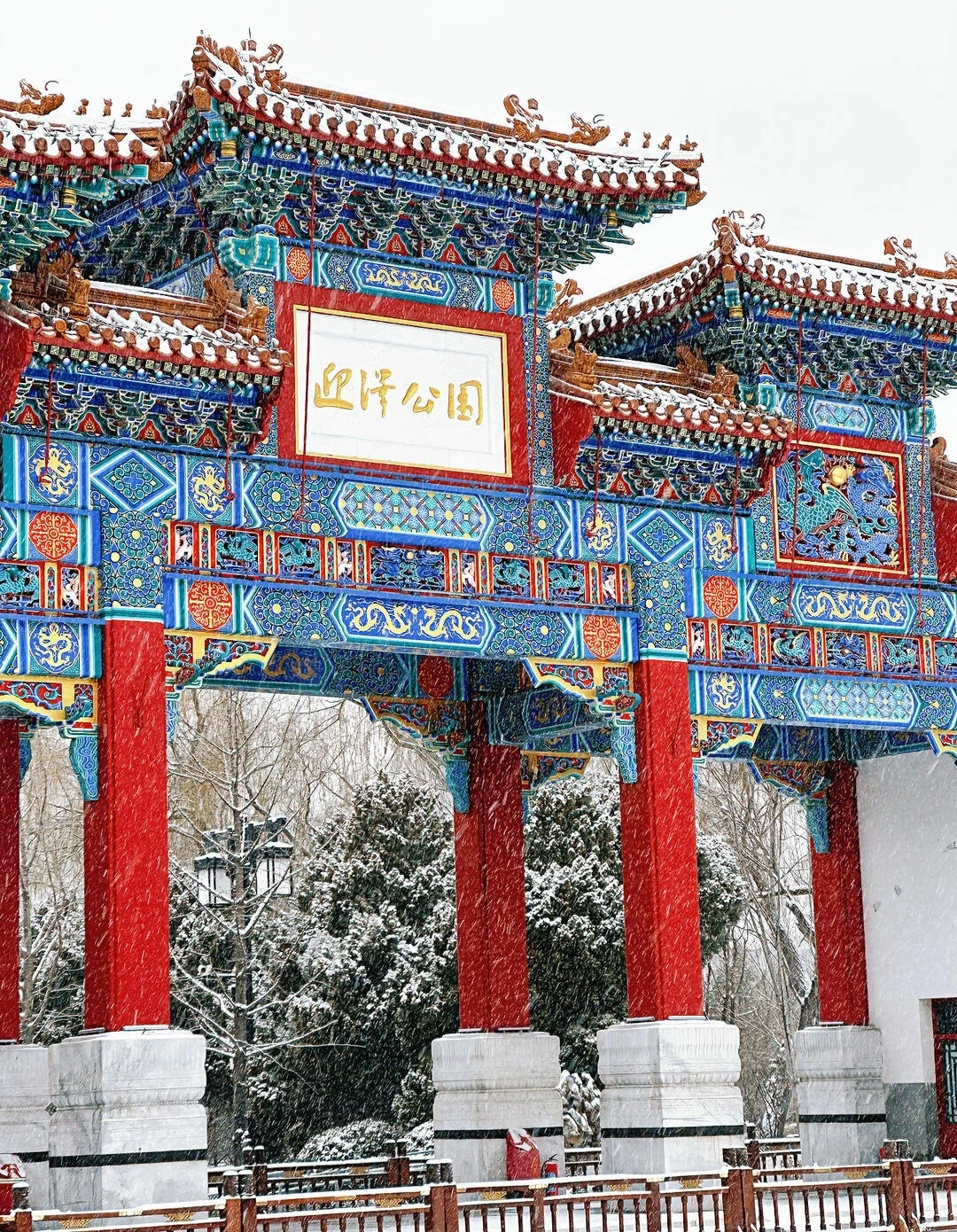
Winter is cold and dry, but Taiyuan still works for culture-first travel. Jinci Temple, Shanxi Museum, and focused food exploration remain worthwhile, though outdoor comfort is lower. It suits travelers who do not mind cold weather and care more about history than long walking days.
Spring and autumn: are usually the safest first-trip seasons.
Summer: is still possible, but outdoor sightseeing is less comfortable in the hottest hours.
Winter: is cold and dry, but culture-led trips still work well.
Ancient architecture and temple visits: are strongest in spring and autumn.
Museum-heavy days: work in every season, especially in summer and winter.
City walking: is best in spring and autumn, weaker in summer midday and winter evenings.
Night markets and food streets: are most comfortable in spring, autumn, and summer evenings.
Food-focused travel: works year-round, but summer requires more heat management and winter needs stronger cold-weather planning.
For a broader national comparison, it also helps to see Best Time to Visit China before locking the season for a longer route.
Taiyuan works very well as a Shanxi gateway because it is both the provincial capital and the province’s strongest transport hub. For most first-time visitors, it is one of the easiest places to enter Shanxi, get oriented, and continue to cities like Pingyao or Datong.
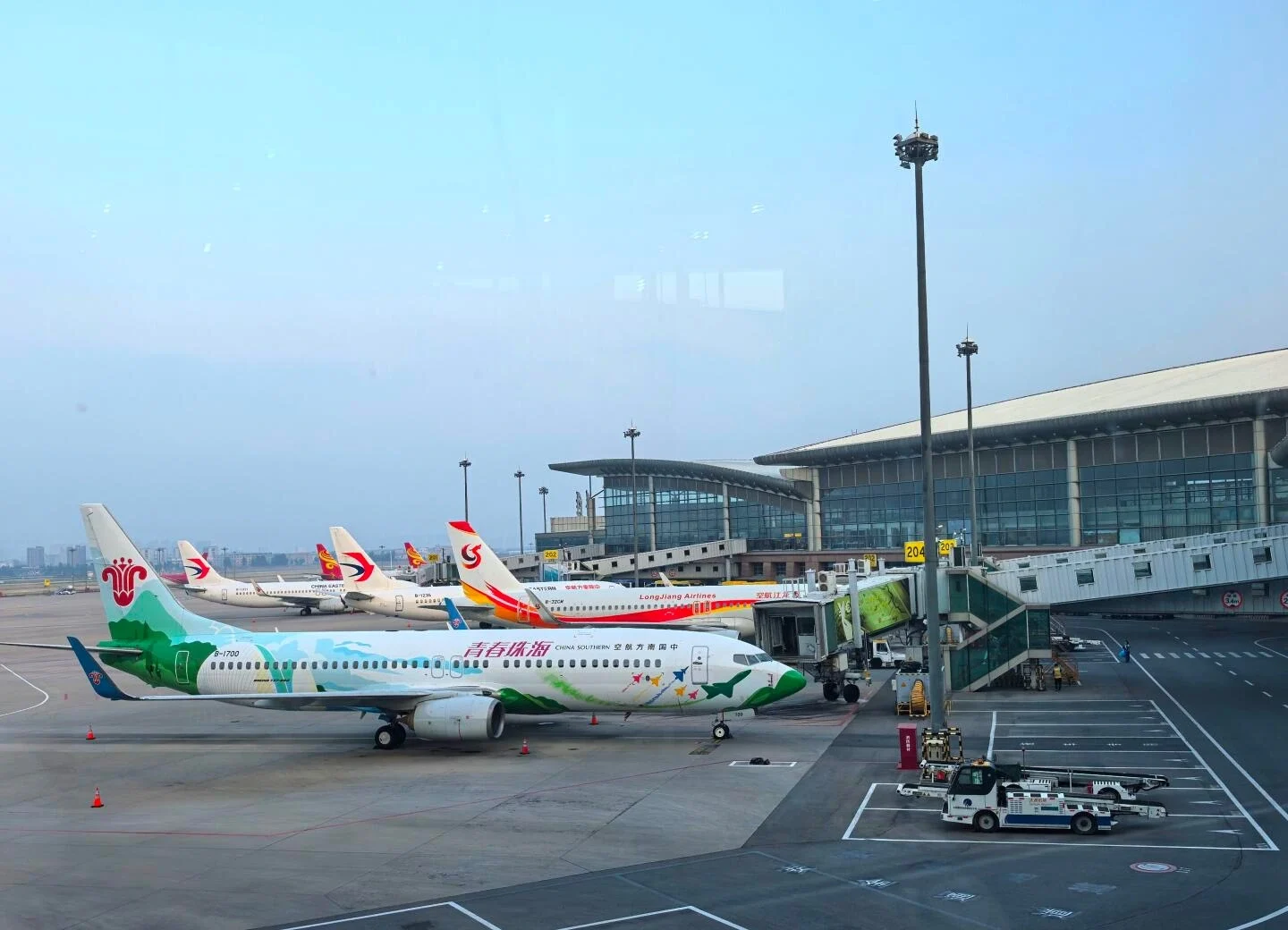
Flying into Taiyuan makes sense if you are arriving from farther away in China or do not want to build the route around rail first. As the provincial capital, Taiyuan has the strongest air access in Shanxi, and the airport works well for travelers entering a wider Shanxi trip from major cities.
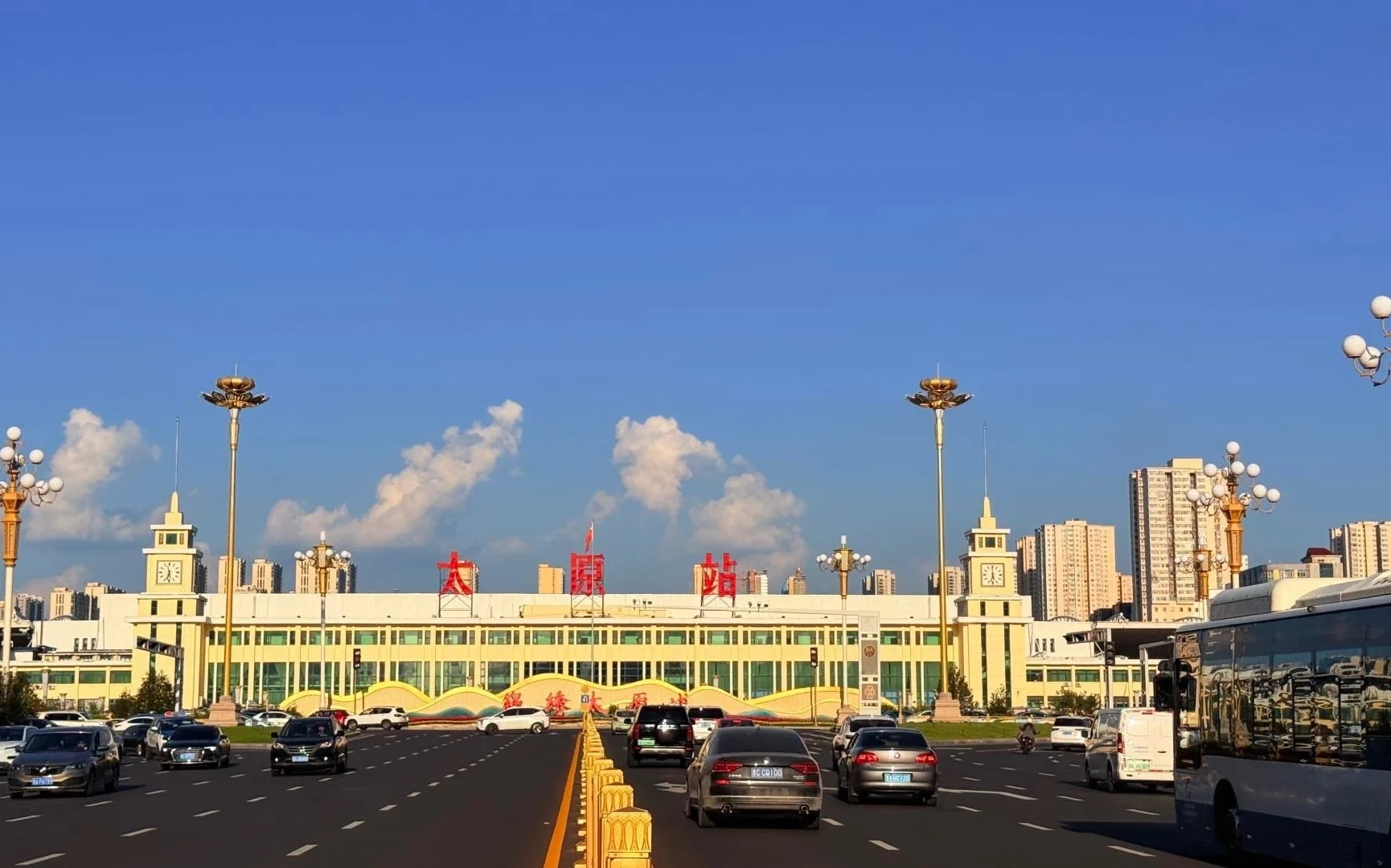
For many travelers, rail is the cleaner option. Taiyuan is a major high-speed rail hub, which makes it easy to connect from Beijing, Xi’an, Pingyao, and Datong without much friction. This is one of the main reasons Taiyuan works so well as a first stop: you can arrive fast, stay 1–2 days, then continue deeper into Shanxi.
Taiyuan is usually the most practical first stop for a wider Shanxi route. It gives you the province’s strongest transport base, a clear cultural starting point, and easy onward links. A common logic is Taiyuan first for context, then Pingyao for ancient-city depth, Datong for grottoes and major monuments, or Wutai Shan for Buddhist mountain culture. That structure is usually more efficient than trying to start with a smaller or more specialized stop.
Taiyuan is manageable once you separate the city core from the outer heritage layer. Central areas connect easily by metro, taxi, and short walks, while places like Jinci Temple are better treated as deliberate half-day moves.
| Route | Best way to travel | What to know |
|---|---|---|
| airport / rail station ↔ city center | Metro, taxi, ride-hailing | Metro is usually the most economical; taxis are easier with luggage or late arrivals. |
| city center ↔ Jinci Temple | Taxi, ride-hailing, metro + short transfer | Jinci is outside the main city core, so this is usually the least walkable major sight. Plan it as a dedicated half-day block. |
| city center ↔ Shanxi Museum | Metro, taxi, short walk depending on hotel area | One of the easiest major cultural stops to reach from central districts. Works well in a same-day route with other city-core sights. |
| city center ↔ Twin Pagoda Temple | Metro, taxi, short walk | Fairly straightforward from central Taiyuan and easy to fit into a half-day city route. |
| city center ↔ Liuxiang / food layer | Metro, taxi, walking in parts | Best handled as an evening stop. Once you arrive in the main commercial-food area, walking usually works best. |
| city center ↔ optional extension layer | Taxi, ride-hailing, selective public transport | Places like Mengshan, Tianlongshan, or other outer extensions usually require more deliberate transport planning and should not be treated like quick city-core add-ons. |
Inside the city itself, metro + short taxi rides + walking is usually the smartest combination. For most first-time visitors, the only major sight that clearly feels like an outer excursion is Jinci Temple, while the museum, food, and temple layers inside the city are much easier to connect.
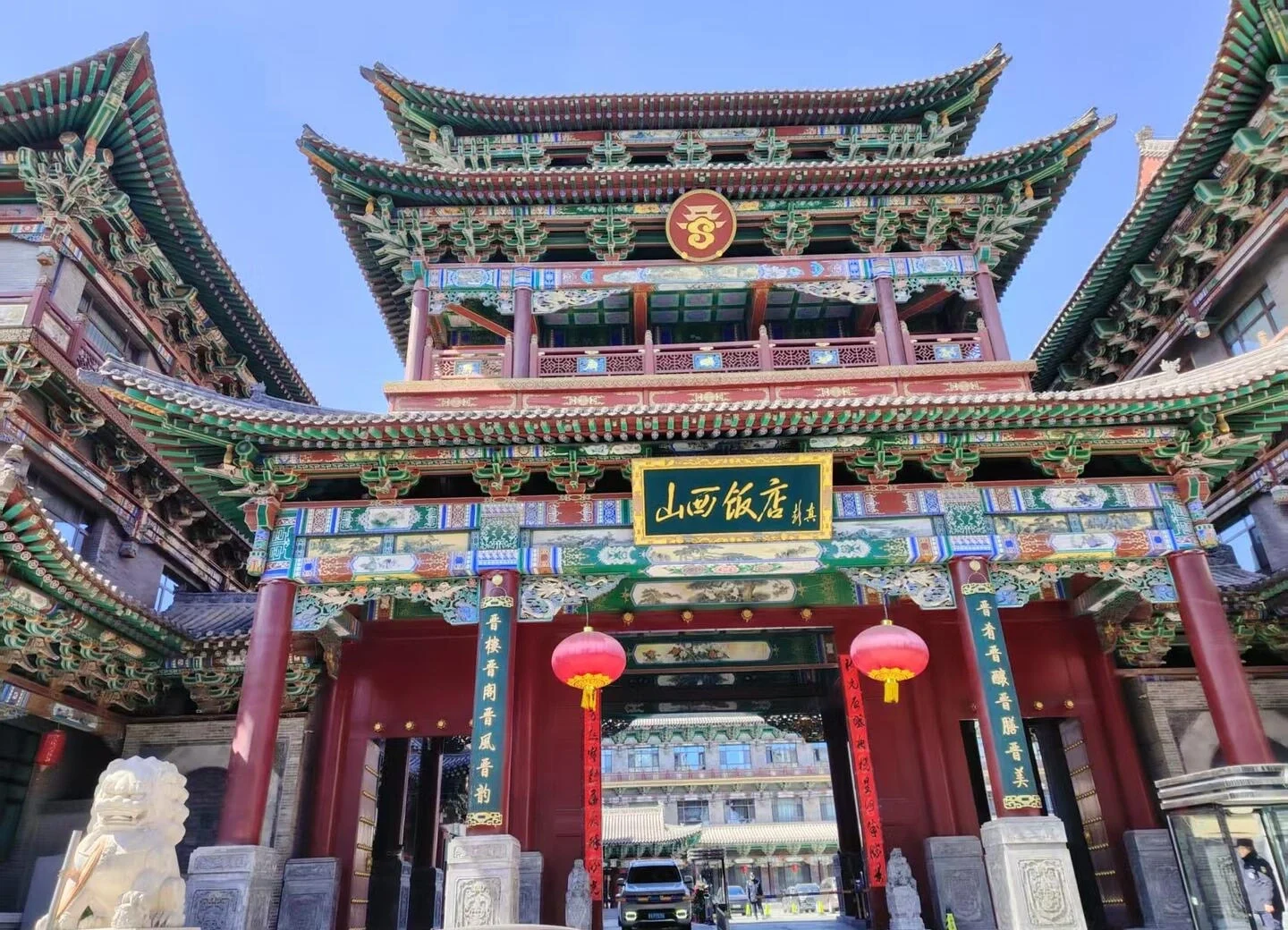
Stay in Yingze / Liuxiang / Zhonglou Street if… this is your first Taiyuan trip and you want the safest all-round base. This area works best because it keeps you close to food streets, central transport, and several easy city-core stops. For most 1–2 day visits, this is usually the smartest choice.
Stay in Xiaodian / Changfeng business area if… you prefer newer hotels, more modern surroundings, and a more polished business-district feel. It can work well for travelers who value hotel comfort and cleaner urban space, but it is usually less convenient for a short culture-first trip than staying closer to the center.
Stay in Jinyuan / near Jinci if… Jinci Temple is a major reason for your Taiyuan stop and you want easier access to that part of the route. This is more situational than central-city stays and usually makes more sense for repeat visitors, slower itineraries, or travelers with a stronger heritage focus.
Stay near the transport hub only if… Taiyuan is mainly a practical overnight stop before moving on to Pingyao, Datong, or elsewhere in Shanxi. These stays save time, but they are functional rather than atmospheric, and usually weaker for food, evening walking, and overall trip feel.
Stay in Taiyuan as part of a Shanxi route if… you want one easy base to start the province well. In that case, city-center districts are usually better than edge locations because they let Taiyuan work as a real cultural stop, not just a transfer point.
For most first-time visitors, a city-center stay is the best fit, especially if the trip is only 1–2 days.
See also: Where to Stay in Taiyuan

Taiyuan is not just a temple-and-museum city. It is also one of the easiest places to understand Shanxi through food. The local eating logic is built around wheat, vinegar, practical northern dishes, and everyday flavor rather than showy restaurant culture.
Knife-cut noodles (刀削面) — the clearest first dish to try in Taiyuan. They matter because they represent Shanxi’s strongest noodle identity: firm texture, direct wheat flavor, and everyday local appeal. Best for almost everyone, especially first-time visitors who want one reliable, representative meal.
Ti jian (剔尖) — a useful second noodle if you want to go beyond the most famous option. It is worth trying because it shows how Shanxi noodle culture is built on technique as much as ingredients. Best for travelers who enjoy regional food depth and want more than one standard bowl.
Kaolao lao (栲栳栳) — one of the most recognizable Shanxi wheat dishes beyond regular noodles. It is worth trying because the shape, texture, and eating style immediately tell you this is a strong local tradition rather than a generic northern staple. Best for curious eaters and shared-table meals.
Ninghuafu mature vinegar (宁化府老陈醋) — not a dish, but one of the most important tastes to notice. It matters because vinegar is a defining flavor logic in Taiyuan and much of Shanxi. Best for travelers who want to understand why local food tastes different from Beijing, Xi’an, or Sichuan.
Tounao (头脑) — one of Taiyuan’s most distinctive local specialties, usually approached as a breakfast or old-style tonic food. It is worth trying because it gives you a more unusual and deeply local side of the city’s food culture. Best for adventurous eaters rather than cautious first-timers.
Guoyourou (过油肉) — one of the most useful dishes if you want a fuller sit-down meal rather than noodles or snacks. It is worth trying because it shows the richer side of Shanxi home-style cooking while still fitting the region’s practical, direct flavor profile. Best for travelers who want a proper lunch or dinner dish.
Night food / street-food layer in Liuxiang and nearby areas: worth prioritizing because Taiyuan’s food culture is not complete without evening eating. This layer suits travelers who like to sample across small dishes, snacks, and local atmosphere rather than rely only on formal restaurant meals.

Taiyuan food is built on wheat, vinegar, and practical northern cooking. Compared with places that rely on spice, broth complexity, or delicate dim sum logic, Taiyuan feels more direct and more grounded. Texture matters a lot, especially in noodles, and vinegar is often the key that sharpens and balances the meal.
Compared with Xi’an, Taiyuan is usually less snack-street theatrical and more wheat-and-vinegar driven. Compared with Beijing, it feels more regional and less imperial in tone. Compared with Sichuan, it is far less chili-led; the defining sharpness here comes from vinegar rather than heat. That difference is important, because many first-time visitors expect “Chinese flavor” to mean spicy or oily, which is not Taiyuan’s main logic.
Do not try to turn Taiyuan into a giant checklist meal city. A better approach is to build one noodle meal, one vinegar-aware local meal, and one evening food-street session into the trip. If you do that, you will understand Taiyuan’s food identity much more clearly than by just chasing famous names.
Taiyuan itself is usually not an expensive city by China travel standards. The core experience is mostly culture-led—temples, museums, food, and short-distance transport—so costs stay controllable unless you add more taxis, outer-city heritage sites, or onward high-speed rail.
| Travel style | Typical daily budget (per person) | What it usually includes |
|---|---|---|
| Budget-ish city stay | RMB 300–500 | Simple hotel, local noodle meals, metro + some taxis, core city sightseeing |
| Mid-range classic stay | RMB 550–900 | Comfortable hotel, stronger food mix, easier taxi use, main cultural sights |
| Comfortable city stay | RMB 950–1,500+ | Better hotel, more convenient transport, fuller meal choices, smoother pacing |
Taiyuan city-core travel is good value because museums, city walking, and everyday food do not require high spending.
Culture-first travel stays cost-controllable if you combine metro, short taxi rides, and simple local meals.
Jinci Temple and other outer layers raise transport costs because they sit outside the most walkable central cluster.
Hotel choice changes the budget faster than food does, since eating well in Taiyuan can still stay affordable.
A wider Shanxi route raises the total more than Taiyuan itself, especially once you add high-speed rail to places like Pingyao or Datong.
Overall, Taiyuan works best as a moderate-cost cultural city: affordable in its core form, but easy to scale up once you turn it into a broader Shanxi trip.
For a broader national budget baseline, it also helps to compare this with our Cost to Travel in China guide.
Taiyuan works best when you understand what kind of stop it is. Most first-trip mistakes come from expecting a fully immersive ancient city, when its real strength is as a culture-and-route hub.
Do not approach Taiyuan like a preserved ancient city. It is a modern provincial capital with key historic sites, not a full old-city environment like Pingyao.
Decide early whether this is a Taiyuan-only trip or a Shanxi gateway stop. That choice affects how many days you need, where you stay, and whether you should prioritize transport convenience over slower city exploration.
Protect Jinci Temple first. It is the city-defining heritage site and should usually be treated as the highest-priority stop in Taiyuan.
Plan Jinci as a dedicated half-day block. It sits outside the tightest city-core cluster, so do not treat it like a quick add-on between downtown sights.
Book museum visits in advance when needed. Major museum stops can involve reservation rules or timed entry, so do not leave that to the last minute.
Prepare for dry northern weather. Taiyuan can feel much drier than many southern China destinations, so water, lip balm, and skin care matter more than some first-time visitors expect.
Respect the temperature swing. Spring and autumn often bring large day-night differences, and winter needs proper cold-weather layers rather than light city clothes.
Use evenings for the food layer. Liuxiang, Zhonglou Street, and nearby food areas work better at night than as midday sightseeing blocks.
Do not overload the noodle experience. One strong noodle meal, one broader local dish, and one evening food-street pass usually works better than forcing too many similar wheat-heavy meals.
Your hotel location matters more than many people expect. For most first-time visitors, staying central is usually the safest choice because it keeps food, metro, and major city-core sights easier to connect.
If Taiyuan is just the first chapter of a larger Shanxi route, pace yourself. You do not need to “finish” everything here; Taiyuan works best when it builds context for what comes next.
If Taiyuan is part of a longer route, it also helps to review broader China Travel Tips and think ahead about What to Pack for China before you finalize the trip.


A complete Fire Horse zodiac guide: personality traits, career, love, health, Five Elements analysis, cultural meaning, and a detailed 2026 forecast for those born in 1966 or 2026.

Born in 1968? Check Earth Monkey dates, Wu-Shen element layers, personality traits, compatibility, lucky signs, and folk outlooks for 2026 and 2027.

Explore Shanghai hotels with local insights. Budget to luxury stays with real reviews, locations, prices, and special family & pet-friendly picks.
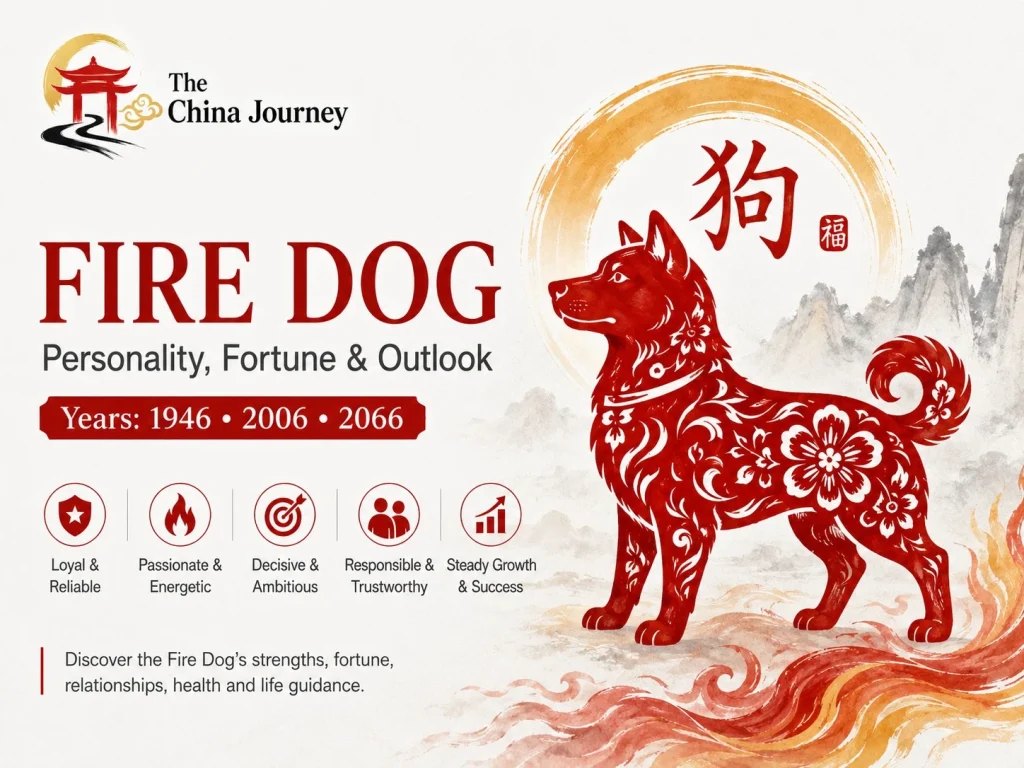
The Fire Dog corresponds to the years 1946, 2006, and 2066, with the Nayin of “Roof Fire.” In the Five Elements system

Planning a China trip? Learn how many days you need in China, what 3–5, 7–9, or 10–14 days really allow, and how to choose the right itinerary length.

China recorded 178 million border crossings in Q3 2025, with visa-free foreign arrivals up 48.3%, reflecting the surge in inbound travel.


