
In Yangzhou, where you stay is an area decision first, not a hotel-score decision first. Staying around Dongguan Street, Geyuan, Heyuan, Wenchang Pavilion, Slender West Lake, the new city, Yangzhou Railway Station, or Yangzhou East Railway Station can lead to very different trip experiences.
The real difference comes from old-town sightseeing flow, dinner convenience, evening walks, Slender West Lake access, whether the stay feels more historic or more modern, and whether the area works for sightseeing, leisure, or only for transit. This guide helps readers decide where to stay first, which area fits which travel style, and which hotels are worth prioritizing in each key area.
This guide is built to help readers choose the right area first, then shortlist hotels that work in real trips.
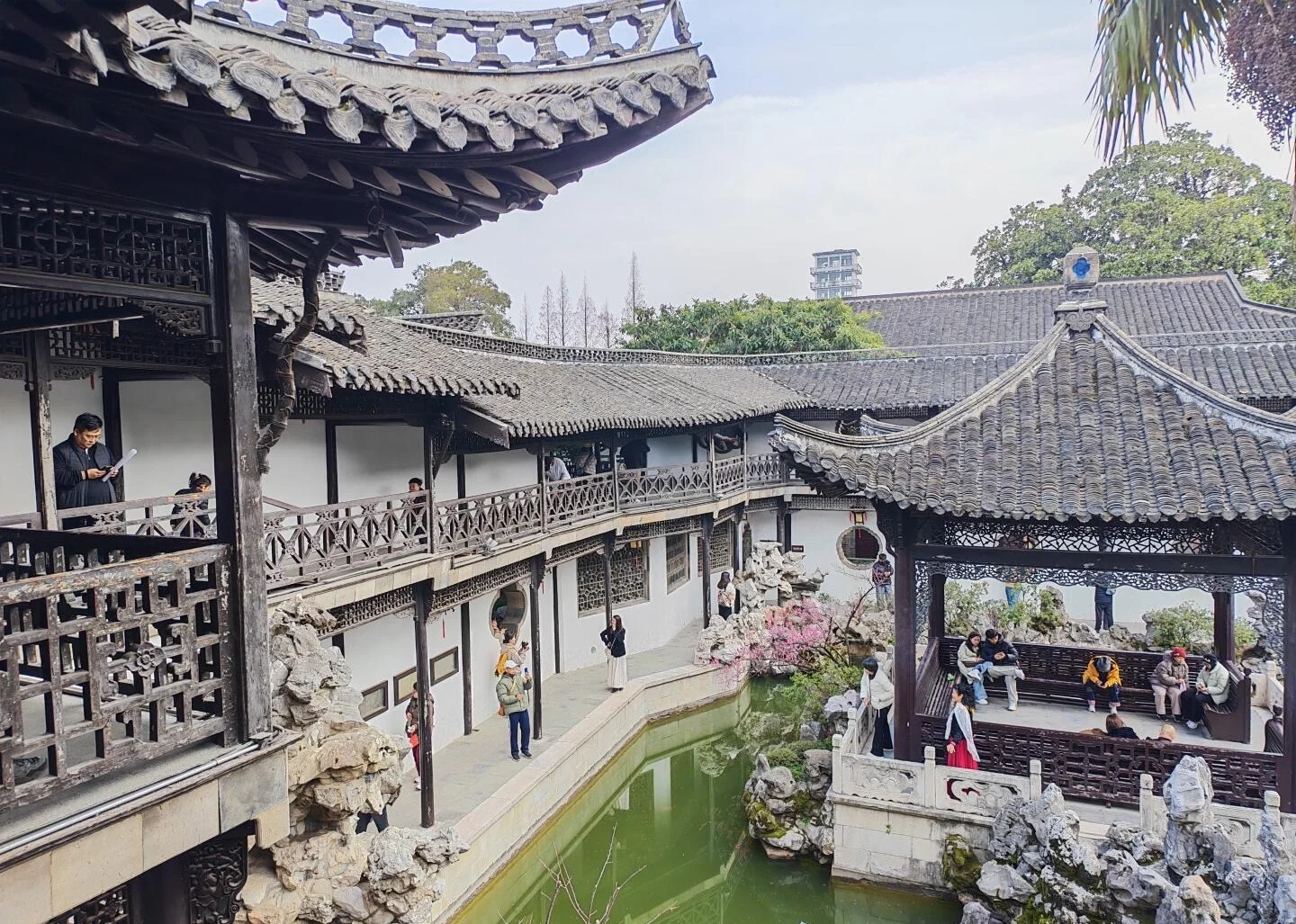
This is still the safest first-choice area for most first-time visitors to Yangzhou. It works best for classic old-town sightseeing and gives you the strongest access to Dongguan Street, Geyuan, Heyuan, Pishi Street, and Wenchang Pavilion. If your trip is built around walking, old streets, local food, and old-city atmosphere, this is the area to check first.
It is more useful than station-side or new-city stays for a classic Yangzhou trip, but it is not always the quietest or the newest part of the city. Peak dates are busier, some hotels are in older buildings, and street-facing rooms can be noisy. Even so, for most first-time visitors, this is still the most practical and most character-rich base.
Hotel positioning: upper-mid
Best for: first-time visitors, couples, and readers who want the safest all-around stay in the old-town core
Rating: 4.8/5
Price range: about RMB 350–600 per night
Pros: very strong old-town location; easy walking access to Dongguan Street, Geyuan, Heyuan, and Pishi Street; stable Atour service model; useful extras like laundry and late-night porridge
Cons: busy-core location can mean more noise on lower floors; prices rise on weekends and holidays
Verdict: the safest all-around pick here if you want strong location logic without giving up comfort too much
Hotel positioning: mid-range
Best for: budget-conscious travelers, short stays, and readers who want reliable chain value in the old town
Rating: 4.7/5
Price range: about RMB 250–400 per night
Pros: strong price-performance; good walking access to Dongguan Street and Geyuan; dependable chain cleanliness; practical for tight first-trip itineraries
Cons: rooms can be smaller; some street-facing rooms may be noisier; more basic overall feel
Verdict: one of the smartest value picks here if location matters more than hotel character
Hotel positioning: upper-mid
Best for: atmosphere-led travelers, culture-focused stays, and readers who want a stronger old-town feel than a standard chain hotel
Rating: 4.6/5
Price range: about RMB 400–700 per night
Pros: stronger sense of local style; courtyard and heritage feel; memorable setting for an old-town stay; better for travelers who want the stay itself to feel like part of the trip
Cons: older-building tradeoffs; some rooms may feel less modern; soundproofing and maintenance can vary
Verdict: the strongest character-led choice here if you want a more distinctive Yangzhou stay instead of a standard business hotel
Backup option: ZMAX HOTELS(ZMAX HOTELS·扬州东关街店) works if you want a younger, more design-led stay still close to the old-town core.
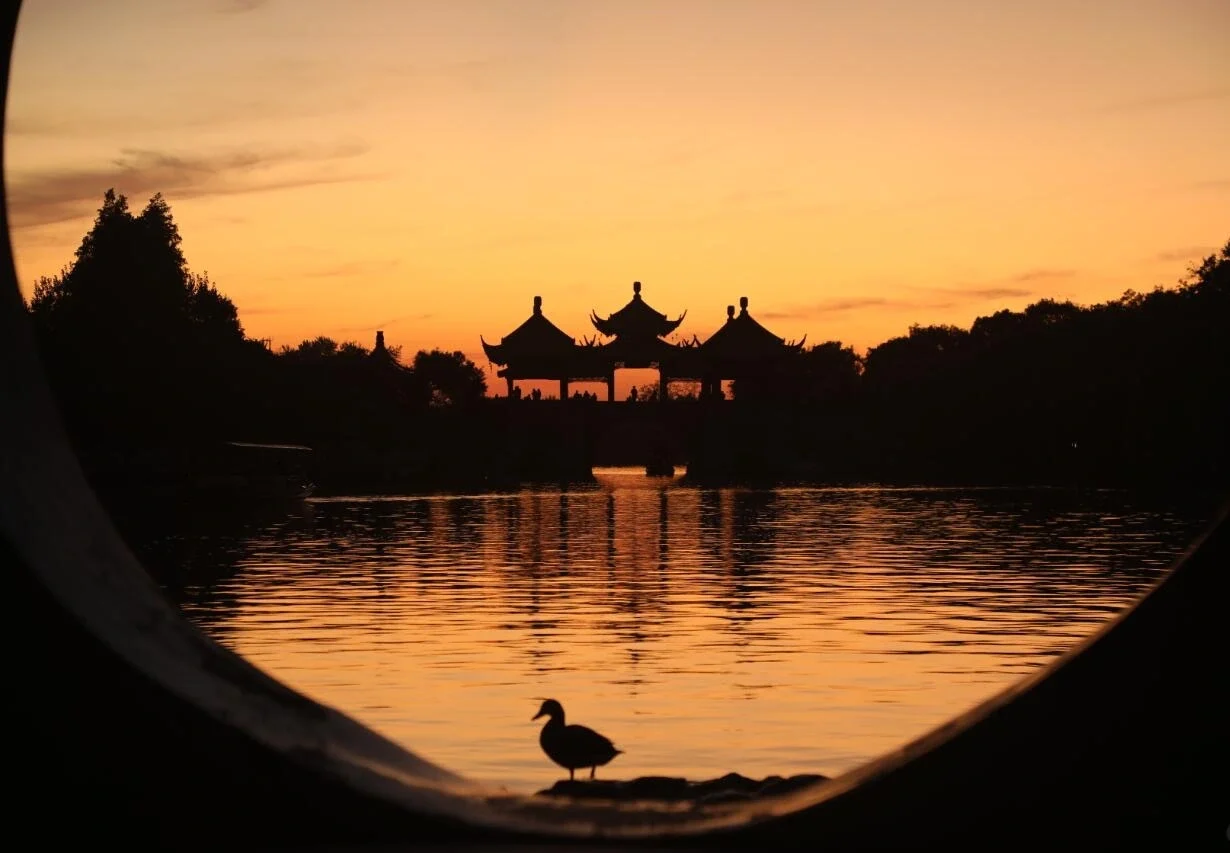
This side works better for Slender West Lake, parks, slower travel, and a more scenic stay than for dense old-town sightseeing. It is stronger for couples, families, and travelers who want comfort, greenery, and a more relaxed daily rhythm. If your idea of Yangzhou is more about garden views and a slower pace than about maximizing old-street walking efficiency, this area can make more sense.
It is more peaceful and more scenic than the old-town side, but usually weaker for classic sightseeing efficiency. Dining and evening movement are less convenient than in the old core, and some hotels carry clear scenic or garden-view premiums. This is a better fit for a leisure-led stay than for a first trip built around covering many old-city sights on foot.
Hotel positioning: luxury
Best for: families, couples, and readers who want the safest all-around premium stay near the scenic belt
Rating: 4.7/5
Price range: about RMB 600–1,200 per night
Pros: reliable international brand; stronger room comfort and facilities; good family fit; more stable luxury experience than many smaller scenic properties
Cons: expensive; more modern-hotel feel than classic garden character; old-town dining requires a short ride
Verdict: the safest all-around premium choice here if you want scenic-side comfort with fewer hotel risks
Hotel positioning: mid-range
Best for: practical travelers, couples, and readers who want better value near the lake area
Rating: 4.7/5
Price range: about RMB 300–500 per night
Pros: dependable chain standard; quieter surroundings than the old core; useful access to Slender West Lake; better value than higher-end scenic hotels
Cons: less distinctive than boutique or resort-style options; weaker for old-town night walks
Verdict: the best value pick here if you want the lake-side logic without paying luxury prices
Hotel positioning: luxury
Best for: scenic stays, couples, special trips, and readers who want the strongest garden-style leisure experience
Rating: 4.8/5
Price range: about RMB 800–2,000+ per night
Pros: top scenic setting; strongest leisure atmosphere in this zone; the stay itself feels like part of the destination; standout environment and service
Cons: high price; large property means internal movement can take time; less practical for a dense sightseeing schedule
Verdict: the strongest scenic and more relaxing pick here if the hotel experience itself is part of the reason for the trip
Backup option: Hongqiaofang Hot Spring Hotel(扬州虹桥坊温泉酒店) is worth checking if you want a lake-side stay with a more leisure-focused, hot-spring-style angle.
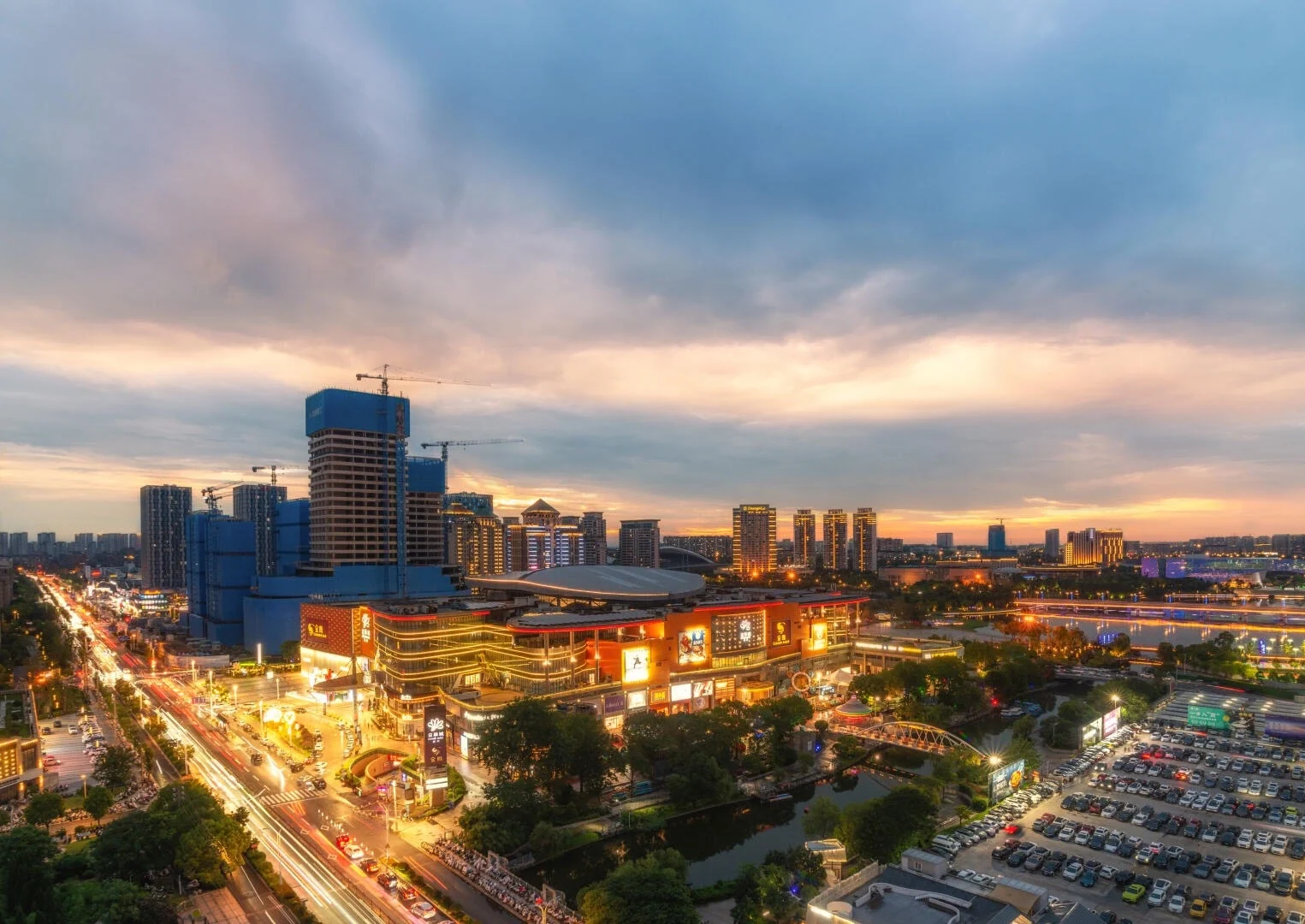
This is the stronger area for modern comfort, shopping, parking, and a steadier city stay. It works better for self-drive travelers, families, business short stays, and readers who care more about larger rooms, newer hardware, and practical convenience than about walkable tourism. Compared with the old city, it is calmer, more modern, and often easier in pure hotel terms.
It is clearly weaker for classic sightseeing efficiency and old-town atmosphere. Still, it is useful for travelers who care more about the stay itself than about living inside Yangzhou’s historic core. If comfort, parking, and room quality matter more than old-street charm, this side can be the better fit.
Hotel positioning: upper-mid
Best for: business short stays, couples, and readers who want the safest all-around modern stay in the new city
Rating: 4.8/5
Price range: about RMB 350–550 per night
Pros: stable Atour service; useful access to Jinghua City shopping and dining; good room comfort; practical for short modern-city stays
Cons: less tourism atmosphere; not ideal for travelers who want old-town walking right outside the door
Verdict: the safest all-around pick here if you want a modern stay with strong everyday convenience
Hotel positioning: mid-range
Best for: younger travelers, value-focused stays, and readers who want a more design-led hotel in the new city
Rating: 4.7/5
Price range: about RMB 300–450 per night
Pros: stronger visual design than plain business hotels; good price-performance; useful for short stays; newer feel than some older city hotels
Cons: location is practical rather than atmospheric; weaker for classic sightseeing flow
Verdict: the better-value branded pick here if you want modern comfort without paying upper-mid prices
Hotel positioning: luxury
Best for: families, self-drive travelers, and readers who want fuller-service comfort in the modern city side
Rating: 4.7/5
Price range: about RMB 600–1,000 per night
Pros: stronger facilities; larger rooms; better family and business fit; more stable premium experience; good parking and service support
Cons: higher price; farther from the old-town core; city stay feels more modern than local
Verdict: the strongest fuller-comfort pick here if you want a more polished stay and do not mind giving up historic atmosphere
Backup option: Yangzhou Conference Center Hotel(扬州会议中心酒店) works if you want a quieter, more spacious stay with a calmer environment.
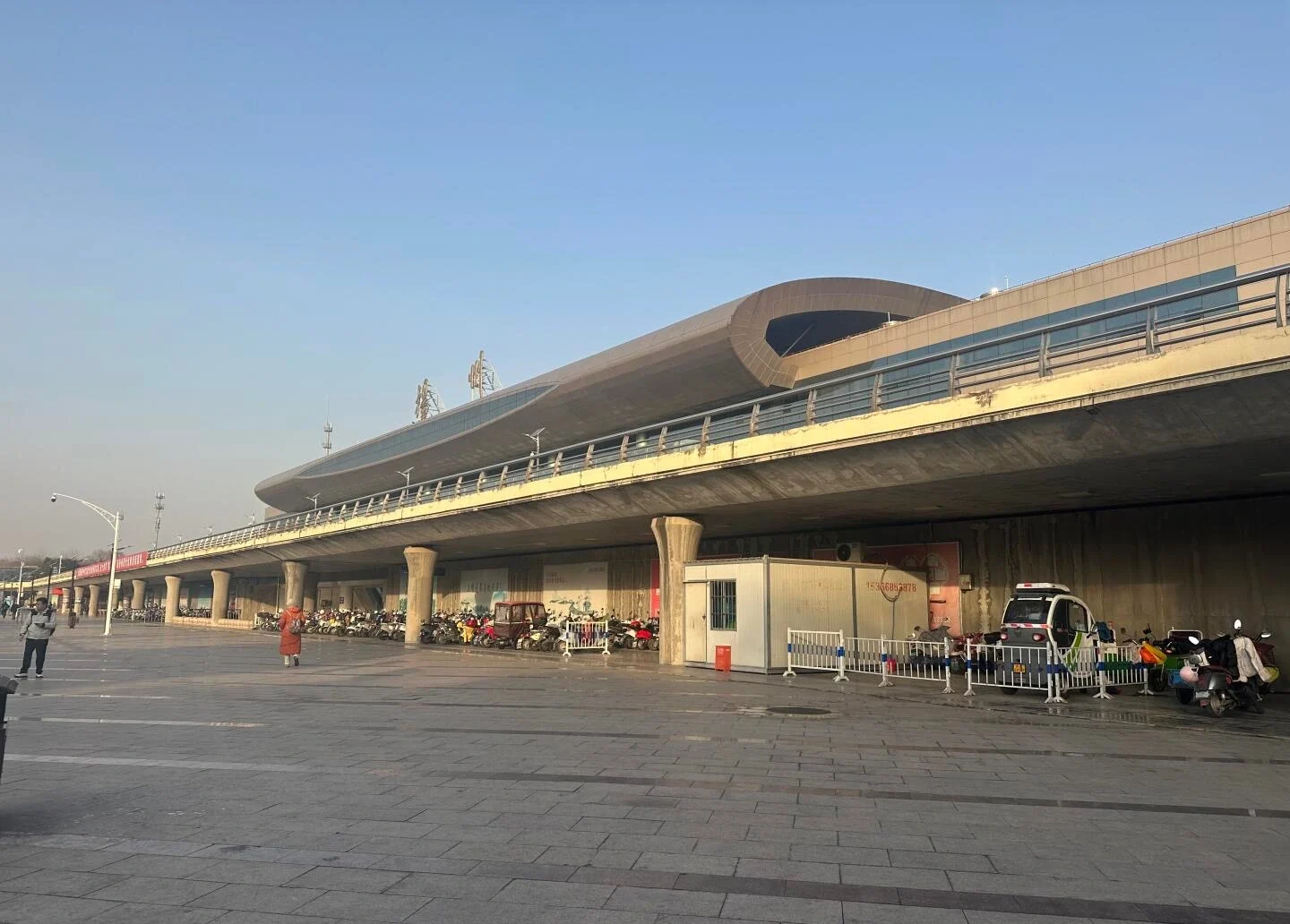
This is a more practical, transport-led area for rail arrivals, short stays, and simple city access. It works better for train timing and one-night practical stops than for tourism atmosphere. If you arrive late, leave early, or just want a low-friction overnight with luggage, this area can work well enough.
It is less memorable than the old town or the lake side, and it usually is not the best base for a normal first Yangzhou trip. This area really makes sense only when station convenience is a real priority.
Hotel positioning: upper-mid
Best for: rail arrivals, short stopovers, and readers who want the safest all-around practical pick near the station
Rating: 4.8/5
Price range: about RMB 350–550 per night
Pros: reliable Atour standard; useful station access; steadier comfort than many basic station hotels; practical for one-night or short transit stays
Cons: weaker travel atmosphere; less useful for old-town-heavy sightseeing plans
Verdict: the safest all-around station-side choice if transport convenience is the real reason to stay
Hotel positioning: mid-range
Best for: budget-conscious travelers, simple overnights, and readers who want a stable chain option near the station
Rating: 4.6/5
Price range: about RMB 200–350 per night
Pros: dependable chain logic; easy station reach; practical for late arrivals or early departures; lower decision risk
Cons: more basic facilities; weaker overall stay feel than upper-mid options
Verdict: the strongest mid-range stable chain pick here if you want predictability and convenience
Hotel positioning: mid-range
Best for: younger travelers, one-night stops, and readers who want better-value practical comfort near the station
Rating: 4.7/5
Price range: about RMB 250–400 per night
Pros: more design character than plain budget chains; practical station access; useful for short stays; decent value
Cons: soundproofing can vary; still not a tourism-led base
Verdict: the best value practical pick here if you want a short station stay with a slightly less generic feel
Backup option: City Comfort Inn(城市便捷酒店·扬州火车站店) is worth a look if you want a simpler lower-cost stopover.
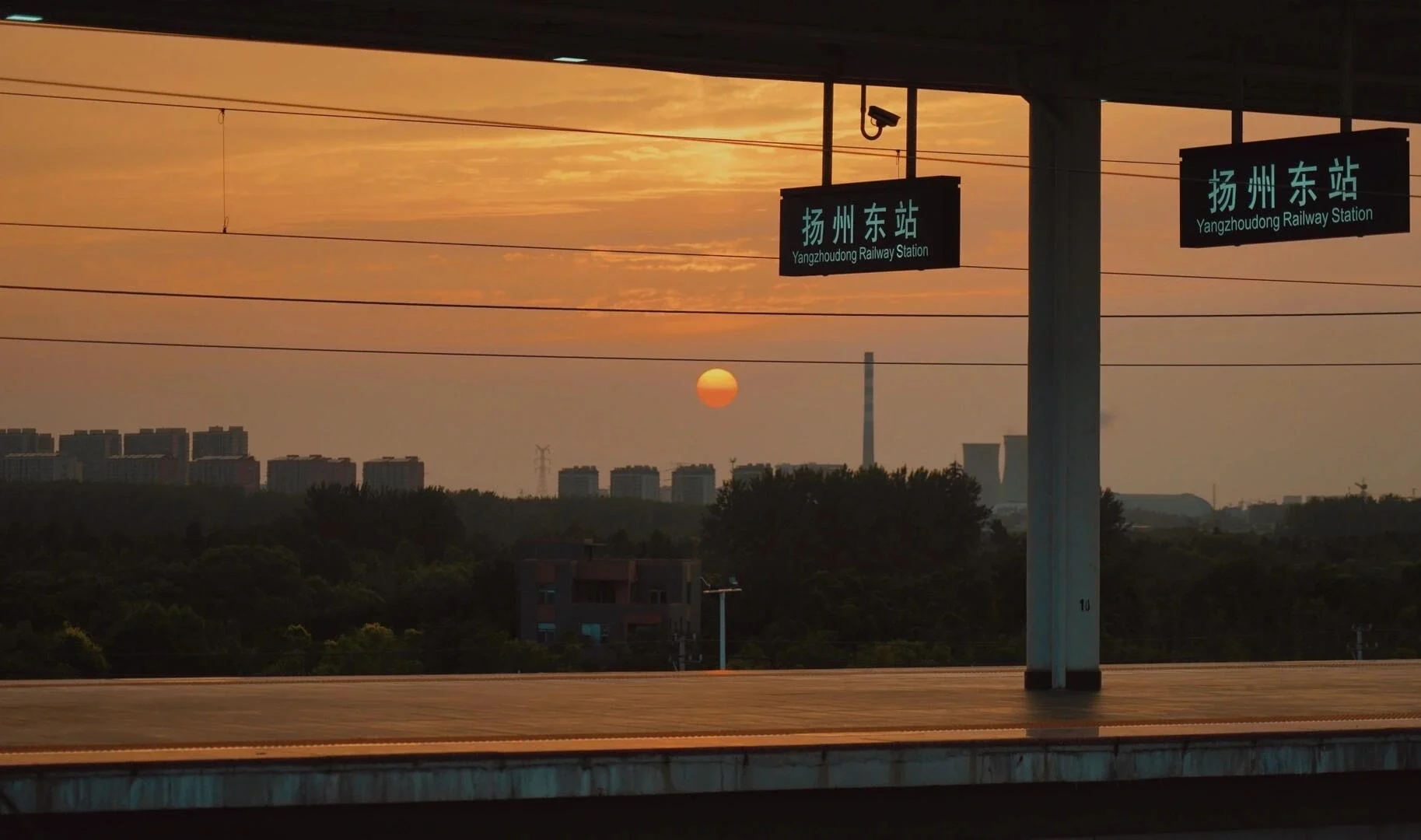
This is a pure high-speed-rail function zone. It works only when the HSR logic is real: late arrival, early departure, or a one-night stopover. For a normal Yangzhou trip, choosing this area usually weakens the stay because it gives up too much sightseeing convenience and old-town atmosphere.
This area is not a real sightseeing base. Here, function comes first and experience comes second, so most travelers should only use it when the train timing clearly forces the choice.
Hotel positioning: upper-mid
Best for: HSR stopovers, late arrivals, and readers who want the safest all-around high-speed-rail pick
Rating: 4.8/5
Price range: about RMB 350–550 per night
Pros: reliable brand quality; useful pickup or station-support logic; steadier comfort than simpler transit hotels; practical one-night decision
Cons: far from the old city; only really makes sense for train timing
Verdict: the safest all-around HSR stopover pick if convenience matters most
Hotel positioning: mid-range
Best for: practical transit stays, readers who want stable chain quality, and travelers who prefer a cleaner predictable stopover
Rating: 4.7/5
Price range: about RMB 300–450 per night
Pros: stable chain logic; cleaner modern feel; useful for short station-led stays; easier low-risk choice than smaller local options
Cons: little travel atmosphere; still weak for sightseeing
Verdict: the strongest mid-range stable chain pick here if you want predictability without overspending
Hotel positioning: budget
Best for: strict-budget travelers, one-night HSR stops, and readers who mainly want clean basics with simple station access
Rating: 4.6/5
Price range: about RMB 200–350 per night
Pros: lower entry price; practical for simple overnights; useful station logic; easier choice for budget transit stays
Cons: basic facilities; weakest overall comfort of the three; not useful beyond stopover needs
Verdict: the best low-budget practical pick here if the train timing is the only real reason to stay
Backup option: ZMAX HOTELS(ZMAX HOTELS·扬州高铁东站店) works if you want a more design-led short stopover.
Start by deciding whether your trip is mainly about old-town sightseeing, Slender West Lake leisure, modern comfort, or pure transit. In Yangzhou, that choice usually matters more than hotel score.
Do not treat “staying in Yangzhou” as one single experience. The old-town core, the lake side, the new city, the railway-station side, and the high-speed-rail side solve very different travel needs.
Choose the old-town core when first-time sightseeing efficiency, food access, evening walks, and classic Yangzhou atmosphere matter most.
Choose the Slender West Lake side when scenic leisure, gardens, quieter mornings, and a slower travel rhythm matter more than dense old-town walking.
Choose the new city when newer hotels, quieter comfort, parking, and a more modern stay matter more than historic atmosphere.
Treat Yangzhou Railway Station as more practical than memorable. It works for rail arrivals, short overnights, and low-friction transit stays.
Treat Yangzhou East Railway Station as a function-only zone. It is useful for late arrivals, early departures, and little else.
If you stay only 1–2 nights, the wrong area can clearly reduce efficiency, especially if you keep crossing between the old town, Slender West Lake, and outer transport zones.
If you want both old-town atmosphere and a more modern hotel stay, decide which one is the base and which one is secondary. Most short trips work better with one clear main base.
Area choice usually matters more than tiny review-score differences. A slightly lower-rated hotel in the right district is often the better stay.
Travel style | Best area | Why | Watch out for |
|---|---|---|---|
First-time visitors | Dongguan Street / Geyuan / Heyuan / Wenchang Pavilion Old Town Core | Best overall balance of sightseeing efficiency, food, old-street atmosphere, and walkability | Can be busier, noisier, and less modern on peak dates |
Classic Yangzhou atmosphere seekers | Dongguan Street / Geyuan / Heyuan / Wenchang Pavilion Old Town Core | Strongest old-town character, street life, gardens, and city memory | Some stays are in older buildings with more hardware tradeoffs |
Slow-travel / leisure travelers | Around Slender West Lake / Leisure Scenic Belt | Better for scenic views, gardens, slower mornings, and relaxed stays | Weaker for dense old-town sightseeing and evening food convenience |
Families | New City Commercial Area / Jinghua City / Modern Convenience Belt | Larger rooms, newer hotels, easier parking, and steadier overall comfort | Less local atmosphere and longer rides to classic sights |
Quiet comfort seekers | New City Commercial Area / Jinghua City / Modern Convenience Belt | Calmer surroundings, newer hardware, and better sleep quality | Not ideal for walkable tourism |
Business short-stay travelers | New City Commercial Area / Jinghua City / Modern Convenience Belt | Stronger for practical city convenience, newer hotels, and short business-led stays | Weak old-town feel |
Rail stopovers | Near Yangzhou Railway Station / Practical Transit Logic | Best for regular-train timing, one-night stops, and low-friction arrivals or departures | Usually not a rewarding sightseeing base |
Airport stopovers | Near Yangzhou Taizhou Airport | Best only for very late arrivals, early departures, or forced overnights | No real city-use value |
Budget travelers | Near Yangzhou Railway Station / Practical Transit Logic | Easier to find lower-cost practical stays without paying old-town premiums | Weaker atmosphere and weaker sightseeing logic |
Avoid too-far outer districts just because they look cheaper. They usually weaken old-town access, Slender West Lake access, and overall daily movement too much.
Be careful with cheap but inefficient suburban stays. What you save on the room can disappear in taxis, longer rides, and wasted sightseeing time.
Do not use Yangzhou East Railway Station as a multi-day base unless the high-speed-rail logic is truly the reason for the stay. It is too far from the core city experience.
Avoid airport-side stays as multi-day bases. They only make sense for late arrivals, early departures, or a very short forced overnight.
Be cautious with cheap older stays repeatedly criticized for dampness, noise, poor maintenance, weak parking, or bad location. In Yangzhou, those problems can quickly ruin an otherwise easy short trip.
Skip places that look cheaper on paper but make Dongguan Street, Geyuan, Heyuan, or Slender West Lake harder to reach in practice.
These places are not necessarily bad. They are usually just the wrong fit for most first-time Yangzhou visitors focused on old-town sightseeing, food, gardens, and basic city experience.
Budget level | Typical nightly range | What to expect | Best-fit areas |
|---|---|---|---|
Budget | RMB 180–300 | Clean basic rooms with simpler facilities, smaller layouts, and more tradeoffs on building age, soundproofing, or exact location. Chain hotels and straightforward local stays are usually the safest picks in this tier. | Old-town edge areas, Yangzhou Railway Station side, some Yangzhou East Railway Station stopover hotels |
Mid-range | RMB 300–500 | The sweet spot for most travelers: better location, steadier cleanliness, more reliable comfort, and an easier overall stay without paying heavily for brand or scenery. | Dongguan Street / old-town core, selected Slender West Lake stays, practical new-city hotels |
Upper-mid / Comfort | RMB 500–800 | Better hardware, stronger service, larger rooms, and a more polished stay. This level usually gives the best balance for travelers who want both comfort and a good location. | Stronger old-town hotels, better Slender West Lake stays, newer branded hotels in the new city |
Luxury | RMB 800+ | Premium branded hotels, fuller facilities, stronger service, and the best chance of scenic, garden-facing, or landmark-adjacent stays. | Prime old-core hotels, premium Slender West Lake properties, top new-city branded hotels |
Yangzhou is usually more affordable than China’s top-tier cities, but the real price gap still comes from area, branding, weekends, holidays, and scenic or prime-core premiums. For most travelers, a mid-range budget is already enough for a well-located and comfortable stay. Prime old-core hotels, stronger branded stays, and scenic Slender West Lake rooms can carry a noticeable premium. For a broader travel spending benchmark, see Cost to Travel in China.
Lock the area first, then compare hotels inside it. In Yangzhou, the right district usually matters more than a slightly higher score somewhere less useful.
Do not rely only on labels like “near downtown” or “near Slender West Lake.” Those can still mean very different walking times, street conditions, and actual sightseeing flow.
In the old city, check whether the building is older, whether the room faces the street, whether reviews mention noise, and whether luggage handling looks awkward.
For scenic stays, decide whether the view is really worth the premium. A lake-side hotel is not always worth paying much more for if you mainly plan to sightsee in the old town.
For business hotels, decide whether the location premium is really worth paying. A newer hotel can still be the wrong choice if it adds too much daily transport time.
Staying near Yangzhou Railway Station or Yangzhou East Railway Station is fine for transport timing, but usually weaker for classic sightseeing.
Dinner access, breakfast convenience, evening walkability, and how easy it is to get back late directly affect stay value, especially in Yangzhou where old-town strolling is part of the experience.
Book early for holidays, busy weekends, and peak periods. Better-value rooms in the strongest old-town and lake-side areas disappear quickly.
Families should check walking conditions and nearby food, not just ratings. A good score helps less if daily routes feel awkward with children.
Transport convenience is not just about distance. It is also about whether routes to Dongguan Street, Geyuan, Heyuan, Slender West Lake, and the stations really work well.
In recent reviews, focus on noise, cleanliness, maintenance, soundproofing, hot water, parking, taxi convenience, and whether the location is truly practical.
It also helps to review broader China Travel Tips before locking in your stay.

Decide how many days to spend in Xi’an with realistic 1–5 day plans, full-day timing, Terracotta Warriors, city highlights and a Mount Huashan option.

Discover what to eat in Yunnan, from rice noodles and mushrooms to local dishes, snacks, food costs, safety tips, and regional flavors.

Explore Tianjin, a city where ancient culture, modern marvels like the Tianjin Eye, and vibrant local life come together. Discover its rich heritage, scenic views, and unique attractions.

Find the best area to stay in Yiwu for sourcing trips, short city stays, and stopovers, with practical hotel picks and real traveler logic.

Plan 1 day in Beijing with Forbidden City or Great Wall options, costs, route trade-offs, booking tips, and safe timing advice.

Baijiu is a traditional Chinese spirit, typically distilled from fermented grains like sorghum, with a high alcohol content (40-60% ABV) and a distinct, pungent flavor.


