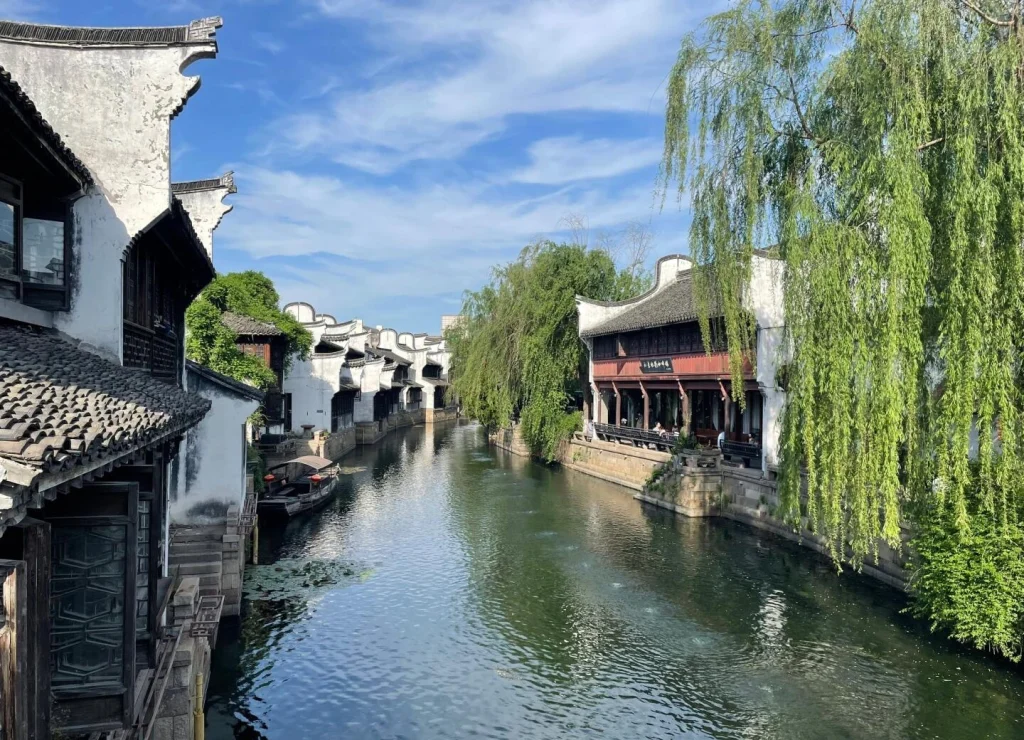
Wuxi is not the kind of city where any “downtown” hotel works equally well. Staying in the city center, around Taihu, near Huishan Ancient Town, or near the rail stations can lead to very different trips.
The real difference comes from sightseeing access, dinner convenience, evening walks, scenic value, and whether the base works for first-time sightseeing, scenic travel, cultural strolling, or only transit. For first-time visitors, area choice comes before hotel choice. This guide shows which area fits which travel style and which hotels are worth prioritizing.
This guide is designed to help readers choose the right area first, then shortlist hotels that work in real trips.
No sponsored placements or paid recommendations
Based mainly on real guest ratings and reviews from major Chinese booking platforms
Area fit matters more than tiny review-score differences
We looked for repeated praise and repeated complaints, not just polished listing photos
Hotels were chosen for actual travel usefulness, not just star level or brochure appeal
In Wuxi, repeated comments about city-center convenience, Taihu access, whether lake-view pricing is really worth it, building age, breakfast, parking, taxi convenience, metro access, and whether station-side hotels are only good for stopovers matter a lot
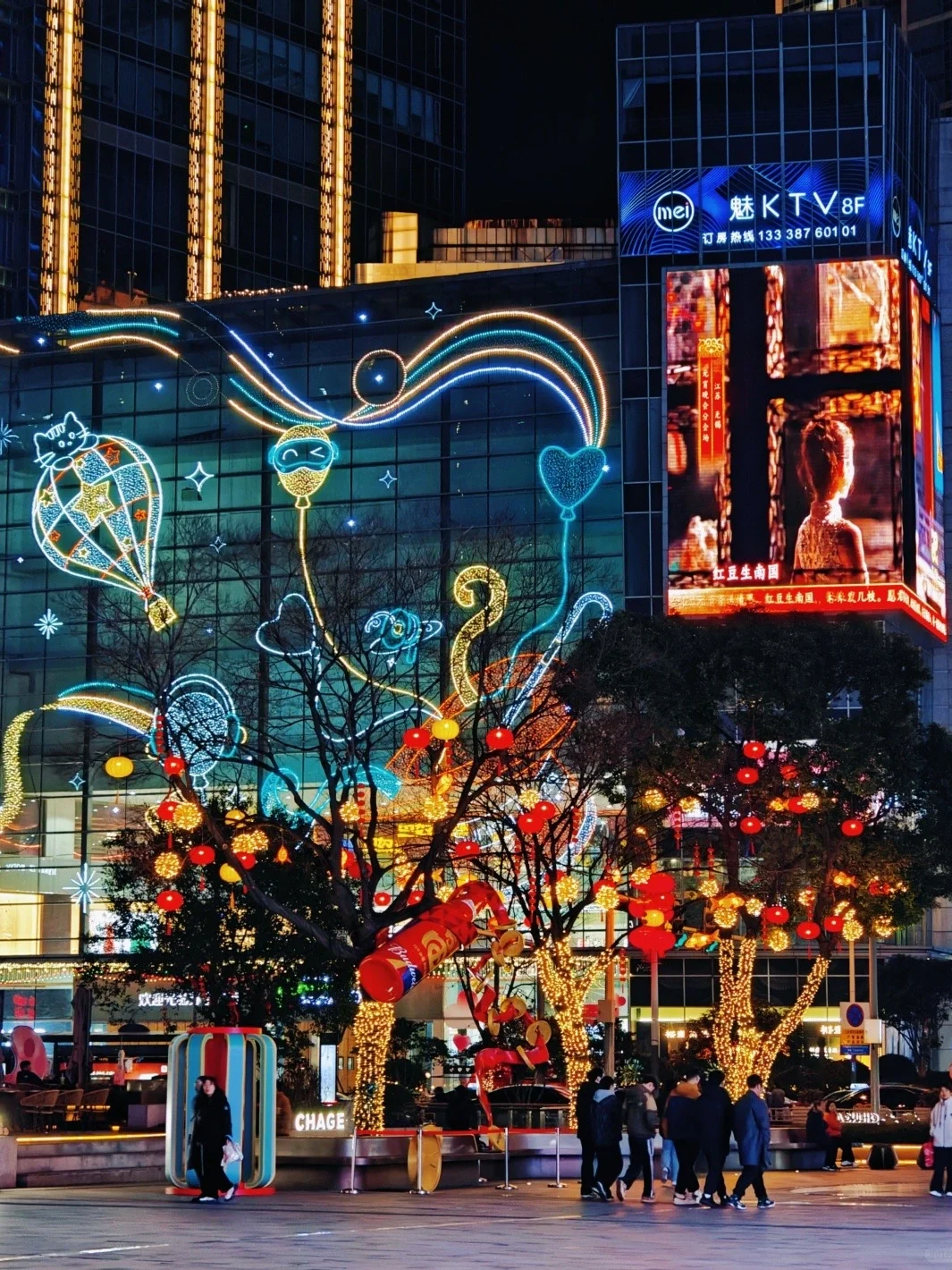
For most first-time visitors, this is still the safest place to stay in Wuxi. It is the strongest base for classic sightseeing, metro convenience, city walking, dining, and smooth daily movement, with easy access to Nanchan Temple, Qingming Bridge, and other major sights.
It is more useful than the scenic side or the station side for a normal first trip, but it is not always the quietest or the newest part of the city. Some hotels show their age, busy main roads and commercial streets can stay noisy at night, and parking or drop-off can be weaker than in newer districts. Even so, this remains the best overall first-trip base in Wuxi.
Hotel positioning: luxury international hotel
Best for: first-time visitors, families, couples, and readers who want the safest all-around premium stay in the city center
Rating: 4.7/5
Price range: about RMB 800–1,500 per night
Pros: prime Sanyang Plaza location; direct city-center convenience; strong skyline views; reliable full-service standard; easy metro and shopping access; strong fit for a first trip with varied plans
Cons: expensive; more polished than local in feel; some travelers may find it too businesslike for a culture-led stay
Verdict: the safest all-around pick here if you want strong location logic, high comfort, and the least friction on a first Wuxi trip
Hotel positioning: upper-mid chain hotel
Best for: practical travelers, short stays, and readers who want better value in the center without giving up convenience
Rating: 4.8/5
Price range: about RMB 350–550 per night
Pros: strong brand consistency; very useful metro access; easier price-performance than luxury hotels; clean and stable for a first city stay; good fit for travelers who care more about location than hotel flair
Cons: business-chain feel; less memorable than stronger premium hotels; some rooms may feel more functional than spacious
Verdict: the better-value pick here if you want central efficiency, dependable comfort, and a lower nightly cost than the city’s flagship hotels
Hotel positioning: luxury international hotel
Best for: families, business-leisure travelers, and readers who want a stronger fuller-service stay with stable city-center comfort
Rating: 4.6/5
Price range: about RMB 700–1,200 per night
Pros: strong brand baseline; fuller facilities; useful central location; better family and business comfort than many smaller city hotels; good balance between access and full-service hotel feel
Cons: parts of the property can feel a little dated; less distinctive than the most scenic or design-led stays; pricing is still clearly premium
Verdict: the stronger premium and fuller-service pick here if you want central convenience with a more classic high-end hotel experience
Backup option: Atour Hotel Wuxi Sanyang Plaza(亚朵酒店·无锡三阳广场店) works if your final shortlist favors stronger brand familiarity and a slightly more lifestyle-led mid-range stay.

This side works better for lake views, slower stays, and scenic hotel time than for normal first-time city efficiency. It suits couples, families, and relaxed itineraries that care about scenery as much as sightseeing.
It is more scenic and quieter than the city center, but it is weaker for frequent city returns and dense sightseeing. Dining and nightlife are less convenient than in the center, and real lake-view rooms often carry clear premiums. Choose it only when scenery and leisure matter more than urban convenience.
Hotel positioning: luxury resort-style hotel
Best for: couples, premium leisure stays, and readers who want the safest all-around scenic stay in the Taihu belt
Rating: 4.7/5
Price range: about RMB 800–1,600 per night
Pros: standout setting; strong garden-and-lake atmosphere; quieter and more exclusive than city hotels; better stay-feel than most ordinary urban properties; strong fit for scenic and slower trips
Cons: expensive; more isolated than city-center hotels; less useful for travelers with heavy urban sightseeing plans
Verdict: the safest all-around pick here if your trip is built more around scenery, quiet, and hotel quality than around city efficiency
Hotel positioning: upper-mid scenic hotel
Best for: practical scenic travelers and readers who want better lake-side value without moving into top luxury pricing
Rating: 4.5/5
Price range: about RMB 500–800 per night
Pros: better-value access to the scenic belt; useful if you want lake-side atmosphere without paying top resort rates; easier fit for shorter leisure stays; some rooms offer strong view value for the money
Cons: facilities and service are less polished than the strongest premium options; exact room quality can vary more; less destination-like than top scenic hotels
Verdict: the better-value scenic pick here if you want the Taihu-side logic without paying flagship-resort prices
Hotel positioning: luxury family-led resort hotel
Best for: families, stay-led leisure trips, and readers who want a stronger resort-style or entertainment-led scenic stay
Rating: 4.7/5
Price range: about RMB 1,000–1,800 per night
Pros: stronger family appeal; fuller facilities; useful for travelers combining scenic time with resort or entertainment plans; better for a stay-led trip than for pure urban sightseeing; easier for travelers who want the hotel itself to do more work
Cons: expensive; less useful for classic city movement; not the best fit if your focus is mainly the historic urban core
Verdict: the stronger premium, resort, and family-led pick here if your Wuxi stay is meant to feel like a leisure trip rather than a city-base trip
Backup option: DoubleTree by Hilton Wuxi Lihu(无锡蠡湖希尔顿逸林酒店) works if your final hotel list favors a more branded scenic stay with a balanced business-leisure feel.

This side works better for cultural strolling and a slower rhythm than for top sightseeing efficiency. It suits travelers who like heritage streets, gardens, and a quieter local feel.
It is more cultural and slower than the city center, but it is weaker for broad city movement and less polished in hotel terms than the strongest modern or luxury districts. It suits travelers who care more about local atmosphere than transport speed, but it is not the best default answer for most first-time Wuxi visitors.
Hotel positioning: premium international hotel
Best for: travelers who want the safest all-around comfort pick while staying within reach of the cultural side
Rating: 4.7/5
Price range: about RMB 700–1,200 per night
Pros: newer hardware; stronger service consistency than many local alternatives; easier comfort level for travelers who want culture by day but still want a polished hotel; useful compromise between heritage-side access and modern standards
Cons: not deeply embedded inside the ancient-town atmosphere; more hotel-like than character-led; pricing is clearly premium
Verdict: the safest all-around pick here if you want a lower-risk stay with stronger comfort while keeping Huishan and Xihui plans workable
Hotel positioning: budget-to-mid practical chain hotel
Best for: practical travelers, short stays, and readers who want better value near the cultural zone
Rating: 4.6/5
Price range: about RMB 250–400 per night
Pros: useful access to Huishan Ancient Town; dependable basic chain logic; easier price-performance than premium city hotels; works for travelers who care more about being near the area than about hotel luxury
Cons: basic facilities; limited atmosphere inside the hotel itself; weaker overall polish than stronger upper-tier stays
Verdict: the better-value pick here if you want convenient access to the cultural side without paying for a more premium hotel standard
Hotel positioning: upper-mid to premium garden-style hotel
Best for: quieter cultural stays, mature travelers, and readers who want a stronger comfort-led or calmer stay near this side of the city
Rating: 4.6/5
Price range: about RMB 600–1,000 per night
Pros: calmer environment; stronger local character than generic business hotels; better for travelers who want a slower and quieter rhythm; more distinctive than plain city-center chain options
Cons: some facilities may feel traditional rather than fresh; weaker for dense city movement; not the most direct answer for first-time sightseeing efficiency
Verdict: the stronger comfort and quieter pick here if your trip values atmosphere, slower pacing, and a more local-feeling stay over maximum city efficiency
Backup option: Buckingham Palace Hotel Wuxi(无锡白金汉爵大酒店) works if your final shortlist needs a larger local full-service option with broader facilities.

This side works better for train timing and short practical stays than for tourism atmosphere. It is useful for late arrivals, early departures, and one-night stopovers when the goal is simply to get in, sleep, and leave easily.
But it is not a real sightseeing base. Function comes first and experience comes second, and choosing it for a normal first Wuxi trip usually weakens the stay.
Hotel positioning: upper-mid chain hotel
Best for: rail stopovers, practical travelers, and readers who want the safest all-around pick near the station
Rating: 4.7/5
Price range: about RMB 300–500 per night
Pros: dependable chain quality; useful station access; cleaner and steadier than many random transit hotels; practical for short overnights with low decision risk
Cons: station-side setting feels functional; weaker local atmosphere; not the right choice for a real sightseeing-led stay
Verdict: the safest all-around pick here if the station logic is real and you want a stable overnight near the rail hub
Hotel positioning: upper-mid lifestyle chain hotel
Best for: readers who want a stable mid-range branded stay with slightly stronger service feel near a rail hub
Rating: 4.8/5
Price range: about RMB 350–550 per night
Pros: strong brand consistency; more polished than many basic stopover hotels; useful for travelers who want smoother service on a short rail stay; good fit for Wuxi East timing logic
Cons: far from the main city sightseeing core; completely transit-led in area value; not useful as a normal Wuxi base
Verdict: the strongest mid-range stable chain pick here if you want a more comfortable and more service-led rail stopover
Hotel positioning: budget chain hotel
Best for: strict-budget travelers and readers who want the best low-budget practical pick near the rail side
Rating: 4.4/5
Price range: about RMB 200–350 per night
Pros: low entry price; simple overnight logic; practical for travelers who only need a bed before or after a train; easy cost control
Cons: basic facilities; weaker comfort ceiling; little stay value beyond transport convenience
Verdict: the best low-budget practical pick here if your Wuxi station stay is purely about transit and price
Backup option: ZMAX HOTELS Wuxi East Railway Station(ZMAX HOTELS·无锡东站店) works if your final research supports a better-value design-led stopover choice.
Start by deciding whether your trip is mainly about classic city sightseeing, scenic leisure, cultural strolling, or pure rail transit.
Do not treat “staying in Wuxi” as one single experience. The city center, the Taihu / Lihu side, Huishan, and the rail-station areas solve very different travel needs.
Choose the city center when first-time sightseeing, food access, metro convenience, and classic city logic matter most.
Choose Taihu / Lihu when scenery and slower stays matter more than city efficiency.
Choose Huishan when cultural strolling and local atmosphere matter more than broad city movement.
Treat the railway-station areas as practical, not memorable.
If you stay only 1–2 nights, the wrong area can clearly reduce efficiency.
If you want both city convenience and scenic comfort, decide which is the base and which is secondary.
Area choice usually matters more than tiny review-score differences.
Travel style | Best area | Why | Watch out for |
|---|---|---|---|
First-time visitors | City Center / Chong’an Temple / Sanyang Plaza Core | Best overall balance of sightseeing, metro access, food, and easy daily movement | Busy commercial areas can be noisy, and some hotels are older |
Classic Wuxi atmosphere seekers | City Center / Chong’an Temple / Sanyang Plaza Core | Strongest mix of classic city logic, old urban atmosphere, and access to the best-known sights | Less quiet and less scenic than lake-side stays |
Food and evening-walk travelers | City Center / Chong’an Temple / Sanyang Plaza Core | Best mix of dining, night activity, and easy evening movement | Crowds and traffic can reduce the relaxed feel |
Scenic / leisure travelers | Taihu / Yuantouzhu / Lihu Scenic-Leisure Belt | Better lake views, quieter surroundings, and stronger stay-led leisure rhythm | Weaker for frequent city returns and dense sightseeing |
Families | Taihu / Yuantouzhu / Lihu Scenic-Leisure Belt | Calmer environment, better resort feel, and stronger fit for slower family trips | Dining and urban convenience are weaker than in the center |
Cultural slow-travel travelers | Huishan Ancient Town / Xihui Park Cultural-Leisure Side | Better for heritage streets, gardens, and slower cultural walking | Not the strongest base for broad city movement |
Rail stopovers | Near Wuxi Railway Station / Wuxi East Railway Station / Practical Rail Transit Logic | Best for one-night stopovers, late arrivals, and early departures | No real sightseeing value |
Budget travelers | City Center / Chong’an Temple / Sanyang Plaza Core | Best chance to stay in the main travel area without losing too much convenience | Need to filter carefully for age, noise, and room quality |
Avoid too-far outer districts just because the room rate looks lower. They usually weaken access to the city core too much.
Be careful with cheap but inefficient suburban stays. What you save on the room can disappear in taxi cost, extra travel time, and weaker daily flexibility.
Do not use railway-station areas as sightseeing bases. They work for transport timing, not for a normal first Wuxi trip.
Do not use deep scenic-side stays as city sightseeing bases unless your plan is mainly around Taihu, Lihu, or nearby leisure sights.
Be cautious with old low-cost stays repeatedly criticized for dampness, noise, poor maintenance, unstable hot water, or misleading location claims.
Skip places that look cheaper but weaken city walking, dinner access, or evening movement in practice.
These places are not necessarily bad. They are usually just the wrong fit for most first-time Wuxi visitors focused on city sightseeing, food, walking, and light cultural exploration.
Budget level | Typical nightly range | What to expect | Best-fit areas |
|---|---|---|---|
Budget | RMB 180–320 | Simple but workable rooms, usually with more tradeoffs on building age, soundproofing, room size, or exact location. Best when function matters more than atmosphere. | City-center edge stays, station-side practical hotels, simpler outer urban hotels |
Mid-range | RMB 320–550 | The sweet spot for most travelers. You can usually get a comfortable room, a decent location, and a smoother overall stay without paying heavily for brand or view. | City center, selected Huishan stays, practical Taihu-side hotels |
Upper-mid / Comfort | RMB 550–900 | Better hardware, stronger service, larger rooms, and a more polished stay with fewer compromises. | Stronger city-center hotels, better Taihu / Lihu stays, stronger culture-led hotels |
Luxury | RMB 900+ | Premium hotels, fuller facilities, better views, and the best chance of standout comfort or resort-style experience. | Prime city-center stays, top Taihu / Lihu hotels, stronger branded premium properties |
Wuxi is usually more affordable than China’s top-tier cities, but the real gap usually comes from area, branding, weekends, holidays, scenic premiums, and core-location premiums. For most travelers, a mid-range budget is already enough for a well-located and comfortable stay. Prime city-center stays, stronger branded city hotels, and better-view premium rooms can carry noticeable premiums, especially on busy weekends and holiday dates. For a broader travel spending benchmark, see Cost to Travel in China.
Lock the area first, then compare hotels inside it. In Wuxi, the right district usually matters more than a slightly higher score in the wrong place.
Do not rely only on labels like “near downtown” or “near Taihu.” Those descriptions can still hide long walks, awkward road access, or weak real-world convenience.
In the older city zones, check whether the building is older, street-facing, noisy, or awkward for luggage. Some central stays look convenient on the map but feel less smooth in practice.
For scenic stays, decide whether the lake view is really worth the premium. A partial or distant view is often less valuable than the listing makes it sound.
For business-style hotels, decide whether the location premium is really worth paying. Better hardware is not a good trade if it makes daily movement much slower.
Staying near the rail stations is fine for transport timing, but it is usually much weaker for sightseeing, dinner access, and evening walks.
Dinner access, breakfast convenience, evening walkability, and late return convenience directly affect stay value.
Book early for holidays, busy weekends, and peak periods. Better-value rooms in the strongest city-center and scenic areas disappear fast.
Families should check walking conditions and nearby food, not just ratings. A good room matters less if daily movement with children feels awkward.
Transport convenience is not just about distance. It is about whether routes to the main sights and the station work well in practice.
In recent reviews, focus on noise, cleanliness, maintenance, soundproofing, hot water, parking, taxi convenience, and whether the location is truly practical.
It also helps to review broader China Travel Tips before locking in your stay.


Quanzhou, a key city in Fujian, is renowned for its rich history, diverse religions, and stunning ancient architecture from the Tang, Song, Yuan, Ming, and Qing dynasties.

Find the best area to stay in Yiwu for sourcing trips, short city stays, and stopovers, with practical hotel picks and real traveler logic.

The Forbidden City, Beijing’s imperial palace, symbolizes China’s rich history, featuring grand halls, royal treasures, and stunning ancient architecture.

Plan one perfect day in Wuhan with a practical first-time route, food stops, river views, costs, transport tips, and what to skip.

Explore Fuzhou, a city where ancient culture meets natural beauty. From historical sites like Three Lanes and Seven Alleys to stunning coastal views, Fuzhou offers unforgettable experiences.

Explore Yiwu, China’s global trading hub! Discover local markets, cultural gems, food, and travel tips in this complete guide for international visitors.