Qufu

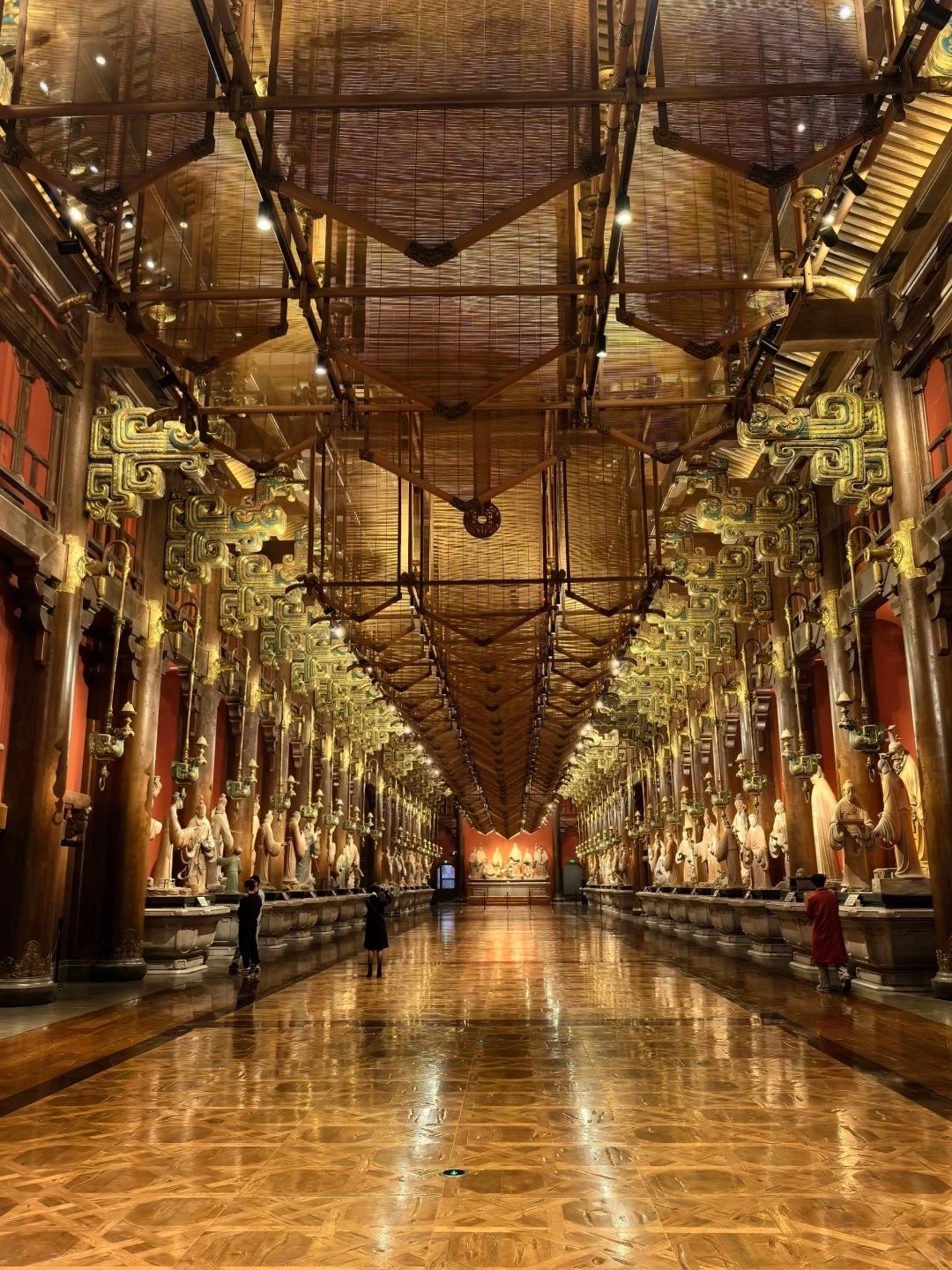
A beautifully lit hall in the Confucius Temple featuring statues of historical figures designed with intricate woodwork and golden accents showcasing the cultural heritage of Confucius - Qufu, Ancient Capital of Lu & Confucius' Hometown 2026 - The China Journey - Qufu, Ancient Capital of Lu & Confucius' Hometown 2026 - The China Journey
Discover Qufu, the ancient capital of the Lu state and the birthplace of Confucius, where rich cultural heritage and Confucian legacy await your exploration.
A beautifully lit hall in the Confucius Temple featuring statues of historical figures designed with intricate woodwork and golden accents showcasing the cultural heritage of Confucius - Qufu, Ancient Capital of Lu & Confucius' Hometown 2026 - The China Journey - Qufu, Ancient Capital of Lu & Confucius' Hometown 2026 - The China Journey

Table of Contents

About Qufu

Qufu, the birthplace of Confucius and the capital of the ancient Lu state, is located in the southwest of Shandong Province.

Known as the “Eastern Jerusalem” for its cultural significance, it is a key historical city with a rich heritage.

The city covers an area of 815 square kilometers and has a population of approximately 615,300.

Qufu is famous for its historical sites, including Confucius’ birthplace, his home, and the Confucius Temple, which attracts millions of visitors annually.

The city enjoys a temperate climate with distinct seasons and is surrounded by mountains, with fertile plains in the central and western regions.

Qufu’s economy is driven by agriculture, with prominent products like wheat, watermelon, and lotus roots, and it continues to preserve its cultural legacy.

CategoryDetailCategoryDetail
Administrative Code370881LocationSouthwest of Shandong Province, Northeast of Jining
Administrative LevelCounty-level cityArea815 km²
RegionJining, Shandong ProvinceClimateWarm temperate monsoon climate
Subregions4 streets, 8 townsPopulation615,300 (2023)
Government OfficeLucheng StreetNotable AttractionsConfucius Mansion, Confucius Temple, Confucius Forest (5A), Six Arts City (4A), Shimen Mountain National Forest Park
Phone Area Code0537AirportJining Qufu Airport (JNG)
Postal Code273100Train StationsQufu East Station, Qufu Station, Qufu South Station
License Plate CodeLu HGDP44.158 billion yuan (2023)
DialectCentral Plains Mandarin, Northern dialect systemEthnic GroupsHan, Mongol, Hui, Tibetan, Uighur
Per Capita GDP71,629 yuan  


Confucius Statue in Nishan Sacred Land Aerial view of massive Confucius statue overlooking traditional buildings and staircases in Nishan - Qufu, Ancient Capital of Lu & Confucius' Hometown 2026 - The China Journey - Qufu, Ancient Capital of Lu & Confucius' Hometown 2026 - The China Journey

Tourism in Qufu

In 2024, Qufu welcomed 14 million visitors, a 27% increase from the previous year, with a total tourism revenue of 18.9 billion yuan.

The city is home to 208 cultural heritage sites, including 13 national-level and 55 provincial-level protected units.

Notable attractions include the World Cultural Heritage sites such as Confucius Temple, Confucius Mansion, and Confucius Forest, as well as scenic spots like Nishan Sacred Place and Shimen Mountain.

Qufu is deeply rooted in Confucian culture, offering visitors a chance to explore the teachings of Confucius through traditional ceremonies and historic sites.

The city also offers various cultural activities, such as music festivals, opera performances, and rural tourism experiences that combine nature, food, and culture, with enhanced night tourism experiences like Nishan and Lihe night tours.

Where to Visit in Qufu

The Three Confucian Sites - Qufu, Ancient Capital of Lu & Confucius' Hometown 2026 - The China Journey - Qufu, Ancient Capital of Lu & Confucius' Hometown 2026 - The China Journey

The Three Confucian Sites

A UNESCO World Heritage site, these sacred locations embody Confucianism's core values, featuring historical architecture, ancient inscriptions, and vast family tombs, attracting millions of visitors annually.

Confucius Museum Installation Modern metal globe sculpture displaying multilingual texts in the Confucius Museum - Qufu, Ancient Capital of Lu & Confucius' Hometown 2026 - The China Journey - Qufu, Ancient Capital of Lu & Confucius' Hometown 2026 - The China Journey

Confucius Museum

A premier museum dedicated to Confucius and Confucian culture, housing 70,000 artifacts. Exhibits include ancient relics and interactive experiences showcasing the spread of Confucianism worldwide.

Nishan Sacred Land Hall Qufu Vast wooden hall with intricate ceiling and rows of golden Confucius statues - Qufu, Ancient Capital of Lu & Confucius' Hometown 2026 - The China Journey - Qufu, Ancient Capital of Lu & Confucius' Hometown 2026 - The China Journey

Nishan Sacred Site

The birthplace of Confucius, this cultural area includes ancient temples and modern educational halls, offering a light show at night that brings Confucian wisdom to life.

Yan Temple - Qufu, Ancient Capital of Lu & Confucius' Hometown 2026 - The China Journey - Qufu, Ancient Capital of Lu & Confucius' Hometown 2026 - The China Journey

Yan Temple

A shrine honoring Confucius' most respected disciple, Yan Hui, featuring historical architecture and ancient inscriptions that embody the cultural heritage of Confucianism.

Dacheng Gate Qufu Historic city gate labeled Dacheng Gate with willow branches swaying in spring breeze - Qufu, Ancient Capital of Lu & Confucius' Hometown 2026 - The China Journey - Qufu, Ancient Capital of Lu & Confucius' Hometown 2026 - The China Journey

Wanren Palace Wall

Located at the southern gate of the ancient city, this 9.5-meter wall symbolizes Confucius' respect and grandeur, reenacting ancient ceremonies for visitors to experience firsthand.

Zhougong Temple - Qufu, Ancient Capital of Lu & Confucius' Hometown 2026 - The China Journey - Qufu, Ancient Capital of Lu & Confucius' Hometown 2026 - The China Journey

Zhougong Temple

Dedicated to Zhou Gong Dan, a prominent political figure, this temple's architecture reflects the power of Confucian rites, with ancient inscriptions and a revered statue of Zhou Gong.

Shaohao Tomb - Qufu, Ancient Capital of Lu & Confucius' Hometown 2026 - The China Journey - Qufu, Ancient Capital of Lu & Confucius' Hometown 2026 - The China Journey

Shaohao Tomb

Known as China's "Pyramid," this tomb is a significant relic from the ancient era, featuring a grand structure, stone carvings, and over 50 ancient inscriptions that preserve the memories of Eastern Yi culture.

Confucius Six Arts City - Qufu, Ancient Capital of Lu & Confucius' Hometown 2026 - The China Journey - Qufu, Ancient Capital of Lu & Confucius' Hometown 2026 - The China Journey

Confucius Six Arts City

An interactive cultural park dedicated to Confucian teachings, offering activities such as archery, music, and classical rites, where visitors experience the core values of Confucianism.

Confucius Mansion Cuisine Cooking Techniques - Qufu, Ancient Capital of Lu & Confucius' Hometown 2026 - The China Journey - Qufu, Ancient Capital of Lu & Confucius' Hometown 2026 - The China Journey

Qufu’s Food Feature & Culture

Qufu’s cuisine is a rich blend of history, geography, and culture.

It belongs to the Shandong culinary tradition, specifically the Confucius family cuisine.

Known for its meticulous selection of ingredients, dishes often feature local specialties such as Qufu fragrant rice and Ni Mountain watermelon.

The preparation process is intricate, with careful attention to knife work and cooking techniques, especially in dishes like “Confucius Imperial Pot.”

The food is served artistically, aiming for both taste and visual appeal, as seen in dishes like “Poetic Ginkgo.”

The flavors are rich and savory, utilizing broths to enhance the natural taste of ingredients.

Dining etiquette is essential, with strict rules on seating and eating order, reflecting the Confucian values of respect.

Seasonal ingredients are also prioritized, with different dishes for spring, summer, fall, and winter.

What to Eat in Qufu

Holy Land Fried Chicken - Qufu, Ancient Capital of Lu & Confucius' Hometown 2026 - The China Journey - Qufu, Ancient Capital of Lu & Confucius' Hometown 2026 - The China Journey

Holy Land Fried Chicken

This dish uses free-range local chicken, stir-fried with garlic, ginger, soy sauce, and Sichuan pepper, creating a rich and flavorful sauce, perfect for hearty country feasts.

Spicy Carp - Qufu, Ancient Capital of Lu & Confucius' Hometown 2026 - The China Journey - Qufu, Ancient Capital of Lu & Confucius' Hometown 2026 - The China Journey

Spicy Carp

Fresh carp from the Yihe River is fried to golden perfection, then braised with broad bean paste, dried chilies, and Sichuan pepper, offering a spicy, savory taste with tender meat.

Grape Chicken Cubes - Qufu, Ancient Capital of Lu & Confucius' Hometown 2026 - The China Journey - Qufu, Ancient Capital of Lu & Confucius' Hometown 2026 - The China Journey

Grape Chicken Cubes

A creative fusion dish combining tender chicken cubes and sweet grapes, stir-fried with honey and cornstarch, creating a delightful balance of sweet and savory flavors.

Smoked Tofu - Qufu, Ancient Capital of Lu & Confucius' Hometown 2026 - The China Journey - Qufu, Ancient Capital of Lu & Confucius' Hometown 2026 - The China Journey

Smoked Tofu

A traditional delicacy, tofu is smoked with fruit woods, resulting in a crispy exterior and soft, honeycomb-like interior. It can be served in various styles, including fried or stewed.

Little Chicken Noodles - Qufu, Ancient Capital of Lu & Confucius' Hometown 2026 - The China Journey - Qufu, Ancient Capital of Lu & Confucius' Hometown 2026 - The China Journey

Little Chicken Noodles

A comforting homemade dish made with small free-range chicken stewed until tender, served with hand-pulled noodles in a rich, flavorful broth, often enjoyed as a breakfast or late-night snack.

Dry fried Shredded Pork - Qufu, Ancient Capital of Lu & Confucius' Hometown 2026 - The China Journey - Qufu, Ancient Capital of Lu & Confucius' Hometown 2026 - The China Journey

Dry-fried Shredded Pork

A classic Shandong dish where marinated pork strips are deep-fried until crispy, then stir-fried with dried chilies, Sichuan pepper, and sesame for a flavorful, spicy kick.

Grandmas Stir fry Pork - Qufu, Ancient Capital of Lu & Confucius' Hometown 2026 - The China Journey - Qufu, Ancient Capital of Lu & Confucius' Hometown 2026 - The China Journey

Grandma’s Stir-fry Pork

A simple home-cooked dish featuring diced pork belly, eggs, green peppers, and wood ear mushrooms, stir-fried quickly for a savory and light meal, evoking nostalgic family memories.

Baked Bun Roll - Qufu, Ancient Capital of Lu & Confucius' Hometown 2026 - The China Journey - Qufu, Ancient Capital of Lu & Confucius' Hometown 2026 - The China Journey

Baked Bun Roll

A popular street snack in Qufu, a crispy yet soft round bun is rolled with braised pork, fried egg, or other fillings, making it a perfect on-the-go treat while exploring the "Three Confucian Sites."

A vibrant cultural heritage display at an exhibition in Qufu featuring traditional handcrafted items such as carved figurines fans and musical instruments highlighting local craftsmanship - Qufu, Ancient Capital of Lu & Confucius' Hometown 2026 - The China Journey - Qufu, Ancient Capital of Lu & Confucius' Hometown 2026 - The China Journey

Overview of Qufu’s Intangible Cultural Heritage

Qufu’s rich intangible cultural heritage (ICH) is deeply rooted in Confucianism and its surrounding traditions.

The city has established a comprehensive four-tier ICH protection system, with 5 national-level projects, 20 provincial-level projects, and 40 city-level projects.

This heritage includes iconic skills such as Confucius cooking techniques and porcelain making.

The transmission of these skills is supported by a dedicated group of over 170 ICH inheritors, including national-level masters.

Through the integration of ICH with rural revitalization and tourism, Qufu has seen significant economic growth.

Projects like the Qufu porcelain factory have generated millions in revenue.

The city is also pushing forward with digitalization, offering immersive experiences like virtual ceremonies and educational programs.


What to Experience in Qufu

Jie Wood Carving - Qufu, Ancient Capital of Lu & Confucius' Hometown 2026 - The China Journey - Qufu, Ancient Capital of Lu & Confucius' Hometown 2026 - The China Journey

Jie Wood Carving

This intricate carving technique, dating back to the Spring and Autumn period, uses wood from the tree planted by Confucius to create detailed images and ritual vessels, symbolizing natural elegance.

Confucius Mansion Cuisine Cooking Techniques - Qufu, Ancient Capital of Lu & Confucius' Hometown 2026 - The China Journey - Qufu, Ancient Capital of Lu & Confucius' Hometown 2026 - The China Journey

Confucius Mansion Cuisine Cooking Techniques

A refined culinary style blending imperial and noble court traditions, this cuisine emphasizes quality ingredients and complex preparation methods, offering dishes with rich cultural significance.

Confucius Memorial Ceremony - Qufu, Ancient Capital of Lu & Confucius' Hometown 2026 - The China Journey - Qufu, Ancient Capital of Lu & Confucius' Hometown 2026 - The China Journey

Confucius Memorial Ceremony

This ancient ritual, celebrated annually, includes the "Three Offerings" and "Eight-Li Dance," combining music and dance to honor Confucius' legacy, uniting global cities in this historic event.

Shaoyue - Qufu, Ancient Capital of Lu & Confucius' Hometown 2026 - The China Journey - Qufu, Ancient Capital of Lu & Confucius' Hometown 2026 - The China Journey

Shaoyue

An ancient musical tradition representing perfection, played with ancient instruments like bells and stone chimes. It’s often performed during Confucius Temple ceremonies, embodying Confucian ideals.

Dazhuang Silk Flower Making Techniques - Qufu, Ancient Capital of Lu & Confucius' Hometown 2026 - The China Journey - Qufu, Ancient Capital of Lu & Confucius' Hometown 2026 - The China Journey

Dazhuang Silk Flower Making Techniques

Originating from the Tang dynasty, these vibrant, colorfast silk flowers are crafted for headpieces and ritual offerings, with each piece intricately made to maintain its beauty and symbolism.

Nishan Inkstone Crafting Techniques - Qufu, Ancient Capital of Lu & Confucius' Hometown 2026 - The China Journey - Qufu, Ancient Capital of Lu & Confucius' Hometown 2026 - The China Journey

Nishan Inkstone Crafting Techniques

Made from local "literary stones," these inkstones have been highly prized by scholars for centuries. They are meticulously carved into elegant landscapes and figures, symbolizing intellectual heritage.

Mulberry Bark Paper Making Techniques - Qufu, Ancient Capital of Lu & Confucius' Hometown 2026 - The China Journey - Qufu, Ancient Capital of Lu & Confucius' Hometown 2026 - The China Journey

Mulberry Bark Paper Making Techniques

A traditional paper-making process using mulberry bark, which creates durable, yellow-toned paper ideal for restoration and artwork, maintaining its strength and resilience across centuries.

Glazed Tile Making Techniques - Qufu, Ancient Capital of Lu & Confucius' Hometown 2026 - The China Journey - Qufu, Ancient Capital of Lu & Confucius' Hometown 2026 - The China Journey

Glazed Tile Making Techniques

A thousand-year-old craft of creating colorful, durable glazed tiles, known for their rich hues like "Confucius Yellow" and "Ceremonial Blue," used in imperial and Confucian architecture.

Rubbings of Stone Inscriptions Making Techniques - Qufu, Ancient Capital of Lu & Confucius' Hometown 2026 - The China Journey - Qufu, Ancient Capital of Lu & Confucius' Hometown 2026 - The China Journey

Rubbings of Stone Inscriptions Making Techniques

This ancient technique preserves intricate inscriptions from stone monuments through careful pressing, capturing fine details of historical texts and artistic designs.

Fuxinghe Brush Making Techniques - Qufu, Ancient Capital of Lu & Confucius' Hometown 2026 - The China Journey - Qufu, Ancient Capital of Lu & Confucius' Hometown 2026 - The China Journey

Fuxinghe Brush Making Techniques

Traditional brush-making skills passed down since the Qing Dynasty, using wolf and goat hair to create brushes that produce smooth, sharp strokes, cherished by scholars for calligraphy.

Confucius Family Wine Brewing Techniques - Qufu, Ancient Capital of Lu & Confucius' Hometown 2026 - The China Journey - Qufu, Ancient Capital of Lu & Confucius' Hometown 2026 - The China Journey

Confucius Family Wine Brewing Techniques

Using sorghum and wheat, this ancient brewing method creates smooth, sweet wine, steeped in Confucian culture, and has earned prestigious international recognition for its quality.

Xugongfang Bow and Arrow Making Techniques - Qufu, Ancient Capital of Lu & Confucius' Hometown 2026 - The China Journey - Qufu, Ancient Capital of Lu & Confucius' Hometown 2026 - The China Journey

Xugongfang Bow and Arrow Making Techniques

Using bamboo and wood, this ancient bow-making tradition, refined over 36 steps, creates high-quality bows valued for their balance and accuracy, essential for both sport and cultural preservation.

Qufu Wall Art Illuminated wall mural with Chinese characters Qufu and maple leaf shadows under a glowing orange moon - Qufu, Ancient Capital of Lu & Confucius' Hometown 2026 - The China Journey - Qufu, Ancient Capital of Lu & Confucius' Hometown 2026 - The China Journey

The Evolution of Qufu’s Name

Qufu, located in Shandong Province, has a rich history dating back 5,000 to 6,000 years.

It was the birthplace of early Chinese civilization, with the ancestors of the Huaxia and Dongyi tribes living here.

Emperor Yan, Emperor Huang, and Shaohao also settled here.

In the Shang Dynasty, Qufu was the capital of the Yan Kingdom.

During the Zhou Dynasty, it became the capital of the Lu Kingdom.

In 249 BC, after the state of Chu conquered Lu, Qufu was renamed Lu County.

In 584 AD, the county was named Wenyang, and in 596 AD, it was changed back to Qufu.

In 627, Qufu was merged with Sishui and later restored in 634.

The name “Qufu” comes from its curved, seven- to eight-mile-long city walls.

In 1945, Qufu was combined with Sishui County, and in 1986, it officially became a city.

Confucius Temple Archway Qufu Historical stone gate of Confucius Temple with intricate carvings and traditional architecture - Qufu, Ancient Capital of Lu & Confucius' Hometown 2026 - The China Journey - Qufu, Ancient Capital of Lu & Confucius' Hometown 2026 - The China Journey

The History of Qufu

  • 5,000-6,000 years ago: The ancestors of the Huaxia and Dongyi tribes settled in Qufu, creating early human civilization.

  • 27th century BC: The birthplace of Emperor Huangdi, the Yellow Emperor, known as the human cultural ancestor.

  • 21st century BC: Qufu was part of the ancient Xuzhou during the reign of Emperor Yao and Shun.

  • 1046 BC: Qufu became the capital of the state of Lu, established by Duke Zhou.

  • 249 BC: The state of Lu was conquered by Chu, and Qufu became Lu County.

  • 223 BC: Qufu was incorporated into the Qin Empire following the fall of Chu.

  • 154 BC: Liu Qi, Emperor Jing of Han, made Qufu the capital of the Kingdom of Lu.

  • 598 AD: The county name was changed to Qufu, which has been used until today.

  • 627 AD: Qufu was merged with Sishui, later restored in 634.

  • 1012 AD: Qufu was renamed as Xianyuan, then later returned to its original name in 1129.

  • 1511 AD: Qufu was burned during a peasant uprising, after which the Ming dynasty rebuilt the city.

  • 1928 AD: Qufu was placed directly under Shandong Province.

  • 1986 AD: Qufu was officially upgraded from a county to a city.

Geographic Location of Qufu

Qufu is located in the southwest of Shandong Province.

It sits between the Yangtze River Delta and the Beijing–Tianjin–Hebei region.

The city lies at the junction of four provinces: Shandong, Jiangsu, Henan, and Anhui.

To the north, it borders Mount Tai and connects with Tai’an City.

To the south, it is near Zoucheng City, facing the Fuyi Mountains.

To the east, Qufu borders Sishui County, and to the west, it reaches Yanzhou District.

The city stretches up to 35.8 kilometers from north to south.

Its maximum width from east to west is 25 kilometers.

Qufu covers a total area of 815 square kilometers.

The urban area is about 66 square kilometers, with 27 square kilometers of developed land.

Sunset over Nishan Lake Qufu Glowing orange sky and reflection on tranquil Nishan Lake during sunset - Qufu, Ancient Capital of Lu & Confucius' Hometown 2026 - The China Journey - Qufu, Ancient Capital of Lu & Confucius' Hometown 2026 - The China Journey

Climate of Qufu

Qufu has a warm temperate monsoon climate typical of East Asia.

It experiences four distinct seasons throughout the year.

Summers are hot and rainy, dominated by southerly winds and tropical maritime air masses.

Winters are cold and dry, with frequent northerly winds and the influence of polar continental air masses.

Spring and autumn are transitional seasons shaped by shifting atmospheric circulation.

Spring tends to be dry and windy, with rapid warming.

Autumn is generally cool and pleasant, though occasional overcast or rainy days occur.

This seasonal variation makes Qufu’s climate well-suited for tourism and agriculture.

The city’s clear seasonal rhythm highlights the contrasts between blooming springs, humid summers, crisp autumns, and dry, chilly winters.

Map of Qufu Area Map showing Confucius Cemetery and surrounding towns and highways near Qufu Shandong - Qufu, Ancient Capital of Lu & Confucius' Hometown 2026 - The China Journey - Qufu, Ancient Capital of Lu & Confucius' Hometown 2026 - The China Journey

Landforms and Topography of Qufu

Qufu is surrounded by mountains on its north, east, and south sides.

Over a hundred peaks, including Mount Fenghuang, Jiuxian, Shimen, Fang, and Nishan, are scattered across the region.

The central and western parts consist of alluvial plains formed by the Si River and Xiao Yi River.

Qufu lies in a transitional zone from the central-southern Shandong hills to the North China Plain.

This creates a general terrain pattern of higher elevation in the northeast and lower in the southwest.

The highest point is Mount Fenghuang in the north, standing at 548.1 meters.

The lowest point is Chengzhuang in the southwest, at 47 meters above sea level.

The elevation at the city center is approximately 60.5 meters.

This varied landscape blends mountains, hills, and flat plains.

 
Misty Morning at Nishan Lake Peaceful view of Nishan Lake with soft reflections and mountain backdrop - Qufu, Ancient Capital of Lu & Confucius' Hometown 2026 - The China Journey - Qufu, Ancient Capital of Lu & Confucius' Hometown 2026 - The China Journey

Hydrology and Water Resources of Qufu

Qufu belongs to the Nansi Lake water system of the Huai River Basin.

There are 17 rivers in total, with the Si River, Xiao Yi River, Liao River, and Xian River being the major ones.

The Si and Yi rivers flow east to west across the entire region.

Altogether, rivers stretch for 254.3 kilometers within the city.

Qufu also has 13 small rivers, 41 reservoirs, 16 sluices, and 108 small dams.

By the end of 2019, the number of small ponds and dams had reached 258.

Among the reservoirs, one is large, seven are medium-sized, and 33 are small.

The total storage capacity of these reservoirs is 146.85 million cubic meters.

The city’s long-term average total water resources amount to about 299.57 million cubic meters.

Of this, roughly 208.1 million cubic meters are considered exploitable.

 
Wheat Harvest in Qufu Countryside Golden wheat fields with farmers working under a clear summer sky - Qufu, Ancient Capital of Lu & Confucius' Hometown 2026 - The China Journey - Qufu, Ancient Capital of Lu & Confucius' Hometown 2026 - The China Journey

Land Resources of Qufu

By the end of 2019, Qufu had 37,588 hectares of arable land.

Most of it—around 88.9%—was irrigated fields, while dry land accounted for about 11.1%.

Roughly 90% of farmland lay on slopes of 2 degrees or less.

Plantation land covered 2,894 hectares, with fruit orchards making up over 93% of it.

Forest land totaled 13,292 hectares, nearly half of which was arbor forest.

Grasslands and wetlands were minimal, at 397 and 26.6 hectares respectively.

Urban, village, and industrial land reached 15,470 hectares, over half of which was rural village land.

Transportation land spanned 3,814 hectares, mostly roads and highways.

Water bodies and related infrastructure occupied about 6,242 hectares, with river surfaces and ponds being the largest portions.

Qufu’s landscape reflects a rich mix of agriculture, forestry, and urban development.

 
Spring in Confucius Cemetery Lush green forest with blooming wildflowers and ancient stone stele in Confucius Cemetery - Qufu, Ancient Capital of Lu & Confucius' Hometown 2026 - The China Journey - Qufu, Ancient Capital of Lu & Confucius' Hometown 2026 - The China Journey

Biodiversity of Qufu

Qufu is home to 135 species of flowering plants, with the orchid designated as the city flower.

It also grows over 120 kinds of medicinal herbs.

There are 140 types and variants of trees and shrubs, including 29 economic fruit trees like apples, peaches, apricots, pears, and hawthorns.

Among 49 ornamental trees, arborvitae is honored as the city tree.

The city also supports 26 species of aquatic plants.

Domestic animals include cattle, horses, donkeys, mules, pigs, sheep, chickens, ducks, geese, and rabbits.

Qufu hosts 29 bird species, with the egret recognized as the city bird.

Wildlife includes over 10 species of mammals and 30 types of insects.

Aquatic animals such as fish, shrimp, and shellfish also inhabit local waters.

Nishan Inkstone Material Close up of raw Nishan stone used for making traditional Chinese inkstones in Qufu - Qufu, Ancient Capital of Lu & Confucius' Hometown 2026 - The China Journey - Qufu, Ancient Capital of Lu & Confucius' Hometown 2026 - The China Journey

Mineral Resources of Qufu

Qufu’s mineral resources are mainly composed of non-metallic building materials and energy minerals.

A total of 30 types of minerals have been discovered across 85 confirmed deposits and 28 mineralization sites.

Proven coal reserves amount to 930.43 million tons.

Other identified resources include 13.77 million cubic meters of limestone, granite, and clay used for bricks and tiles.

The region’s key mineral strengths are summarized as “three stones, three clays, sand, coal, and water.”

These include granite, limestone, dolomite, refractory clay, bentonite, brick clay, construction sand, coal, and natural mineral water.

Such abundant reserves provide essential raw materials for local construction, industry, and energy development, contributing to Qufu’s sustainable growth.

 
Night Scene at Liaogou Ancient Street Lantern lit ancient street with crowds enjoying cultural night market in Qufu - Qufu, Ancient Capital of Lu & Confucius' Hometown 2026 - The China Journey - Qufu, Ancient Capital of Lu & Confucius' Hometown 2026 - The China Journey

Population of Qufu

As of 2024, Qufu has a resident population of about 615,300, with a household population of nearly 649,900.

The population density is around 748 people per square kilometer.

Urbanization has reached 66.33%, with roughly 408,100 people living in towns and 207,200 in rural areas.

The city’s population is aging, with over 21% aged 60 and above.

Qufu has a balanced gender ratio and rising education levels, especially in urban areas.

Han Chinese make up 99.31% of the population, with 35 minority groups including Hui, Manchu, and Mongol.

The Hui community in the west of the city maintains distinct customs, such as halal food and religious festivals.

Efforts to preserve ethnic culture and promote population balance reflect Qufu’s blend of tradition and modernity.

 
Wall of Qufu Dialects Colorful display of local phrases and sayings representing Qufu dialect culture - Qufu, Ancient Capital of Lu & Confucius' Hometown 2026 - The China Journey - Qufu, Ancient Capital of Lu & Confucius' Hometown 2026 - The China Journey

Dialect of Qufu

Qufu’s dialect belongs to the Central Plains Mandarin group within the broader Northern Chinese dialect system.

It shares many similarities with Standard Mandarin but also has distinct features.

Phonetically, Qufu dialect has a simpler system with 21 initials, 36 finals, and 4 tones, totaling around 1,041 syllables.

Notably, it lacks retroflex initials such as “zh,” “ch,” and “sh,” so words like zhi, chi, and shi are pronounced as huan, ci, and si.

Its vocabulary includes many words that differ in form but share meaning with Mandarin.

The dialect also features rich use of affixes and reduplications.

In grammar, unique pronouns like “an,” “nen,” and “mer” are common, along with numerous adverbs.

Qufu dialect shows strong internal consistency but varies slightly across its southern, central, and northern regions.

 
Giant Confucius Statue at Nishan Majestic bronze statue of Confucius standing tall under a clear blue sky at Nishan - Qufu, Ancient Capital of Lu & Confucius' Hometown 2026 - The China Journey - Qufu, Ancient Capital of Lu & Confucius' Hometown 2026 - The China Journey

Religious Beliefs in Qufu

Qufu is home to 13,788 religious adherents, with the majority practicing Christianity, followed by Islam, Buddhism, Catholicism, and a small number of Taoists.

The Christian community includes 8,767 followers, while Muslims number 2,045 and Buddhists 1,760.

There are 1,200 Catholic believers and 16 Taoist followers.

Most believers are middle-aged or elderly, including many women who remain in rural areas.

The city has four official religious organizations: Buddhist, Islamic, Catholic, and Protestant associations.

There are 15 registered religious personnel, including pastors, elders, monks, and one imam.

Qufu has 32 legally registered religious venues, with Christianity accounting for 25 sites, Catholicism 4, Buddhism 2, and Islam 1.

These communities coexist peacefully under China’s legal framework for religious affairs.

Qufu Night Street View Rainy night view of Qufu old town street with glowing lanterns and reflections on wet pavement - Qufu, Ancient Capital of Lu & Confucius' Hometown 2026 - The China Journey - Qufu, Ancient Capital of Lu & Confucius' Hometown 2026 - The China Journey

Economy of Qufu

Qufu’s economy is shaped by cultural heritage, diversified industries, and innovation-driven growth.

In 2024, the city’s GDP reached 46.8 billion yuan, up 7.7% year-on-year.

The economic structure has shifted toward services, with culture and tourism as key drivers.

Industries like electronics, biomedicine, and building materials have formed competitive clusters.

The auto electronics sector includes 156 companies and generated over 5 billion yuan in 2024.

Agriculture emphasizes premium grains, vegetables, and livestock, with a strong processing chain.

Tourism welcomed 14 million visitors and earned 18.9 billion yuan, fueled by cultural attractions like the “Three Confucian Sites.”

Qufu is also developing digital economy, creative industries, and smart agriculture.

This blend of tradition and technology positions Qufu for sustainable and balanced development.

 
Confucius Statue at Qufu Normal University Bronze statue of Confucius in front of Qufu Normal University main building - Qufu, Ancient Capital of Lu & Confucius' Hometown 2026 - The China Journey - Qufu, Ancient Capital of Lu & Confucius' Hometown 2026 - The China Journey

Educational Development in Qufu

As the birthplace of Confucianism, Qufu blends deep-rooted cultural traditions with modern educational innovation.

By 2024, the city hosted 97 schools with over 87,000 students across all levels.

Preschool education includes 169 kindergartens, with rising quality and expanded childcare services.

Primary and middle schools focus on class-size reduction and rural-urban resource balance.

Six urban schools added 1,410 new seats, and 12 rural schools were merged for efficiency.

High schools, both public and private, maintain strong academic performance in university entrance exams.

Special education integrates healthcare and academics for 280 enrolled students.

Qufu Normal University leads in teacher training, with smart classrooms and interdisciplinary research.

Vocational education aligns with local industries, offering hands-on programs in smart manufacturing and heritage restoration.

Together, these efforts form a comprehensive, future-oriented education system.

Confucian Figures at the Temple of Confucius Carved statues of ancient scholars inside the Temple of Confucius in Qufu - Qufu, Ancient Capital of Lu & Confucius' Hometown 2026 - The China Journey - Qufu, Ancient Capital of Lu & Confucius' Hometown 2026 - The China Journey

Cultural Development in Qufu

Qufu’s cultural development reflects a deep blend of heritage preservation and modern innovation.

As the birthplace of Confucianism, the city protects key sites like the Temple, Mansion, and Cemetery of Confucius through restoration and digital technology.

Projects such as virtual reality experiences and immersive tourism help revitalize heritage while boosting visitor engagement.

Qufu also promotes intangible culture through school programs, workshops, and creative products like Confucian-themed crafts.

Public cultural services reach across urban and rural areas, supported by museums, village stages, and reading centers.

Tourism and cultural industries continue to grow, with nighttime tours, digital platforms, and cultural IP generating strong economic value.

Through international forums, academic exchange, and Confucius Institutes, Qufu shares Chinese wisdom with the world.

 
Modern Residential Buildings in Qufu Tall apartment buildings along a wide road in Qufu under a blue sky - Qufu, Ancient Capital of Lu & Confucius' Hometown 2026 - The China Journey - Qufu, Ancient Capital of Lu & Confucius' Hometown 2026 - The China Journey

Highway Transportation in Qufu

Qufu features a well-developed highway network serving both regional transit and tourism.

The Beijing–Taipei Expressway (G3) runs north-south through Qufu’s west, linking major cities like Beijing and Nanjing, with multiple exits for convenient access.

The Rizhao–Lankao Expressway (G1511) crosses the city’s north and connects with G3, forming the Qufu East Hub.

National Highways 104 and 327 traverse the city, connecting key scenic areas and neighboring counties.

Provincial roads like S104 and S321 extend to rural areas, supporting local industry and tourism.

Within the city, a grid road system centers on the Confucius sites, while rural roads now reach 100% of villages.

Transport hubs like Qufu Bus Station and high-speed rail connections offer seamless transfers via bus, taxi, and tourist shuttles.

High Speed Train at Qufu East Station CRH high speed train arriving at Qufu East Railway Station platform with passengers waiting - Qufu, Ancient Capital of Lu & Confucius' Hometown 2026 - The China Journey - Qufu, Ancient Capital of Lu & Confucius' Hometown 2026 - The China Journey

Railway Transportation in Qufu

Qufu’s railway system combines high-speed and conventional lines, supporting both national transit and regional tourism.

The Beijing–Shanghai High-Speed Railway and the Rizhao–Lankao High-Speed Railway intersect at Qufu East Station, forming a major “T-shaped” hub.

Qufu East handles over 220 high-speed trains daily and offers seamless access to cities like Beijing, Shanghai, and Qingdao.

It features smart facilities, themed waiting areas, and direct tourist connections to major attractions.

Qufu Station supports freight and local passenger transport, with new services like cold-chain trains for agricultural products.

High-speed rail has significantly boosted tourism, raising annual visitors to over 23 million.

Future plans include new lines, expanded freight capacity, and intelligent upgrades, further positioning Qufu as a key cultural and transportation hub in southern Shandong.

Horse Carriage Ride in Qufu Traditional horse drawn carriages with colorful panels waiting on a street in Qufu - Qufu, Ancient Capital of Lu & Confucius' Hometown 2026 - The China Journey - Qufu, Ancient Capital of Lu & Confucius' Hometown 2026 - The China Journey

Public Transportation in Qufu

Qufu’s public transportation system is guided by the principles of accessibility, low carbon, and smart convenience.

By 2025, the city operates 51 urban and rural bus routes, covering 100% of villages and major scenic areas.

Special lines connect Qufu East Station with downtown and tourist sites, while mini-loop buses solve last-mile travel.

All 378 buses are powered by clean energy, ensuring green and efficient service.

The city also manages 279 eco-friendly taxis and over 7,000 shared bikes, including themed bikes with Confucian quotes.

Digital platforms offer real-time transit info and mobile payment, with smart systems improving route planning and passenger flow.

With upgrades to hubs and rural access, Qufu continues to blend tradition, innovation, and sustainability in everyday travel.


FAQs About Qufu

Is Qufu worth visiting?
Yes, Qufu is worth visiting. It is the birthplace of Confucianism and home to three world cultural heritage sites: the Confucius Temple, the Confucius Mansion, and the Confucius Cemetery. These sites offer a deep insight into Chinese civilization and Confucian thought. Besides the ancient architecture and cultural relics, visitors can experience traditional ceremonies and heritage activities, making it ideal for history and culture enthusiasts.
Yes, Confucius was born in Qufu in 551 BC. He was born in the state of Lu, which is present-day Qufu in Shandong province. Confucius, the founder of Confucianism, had a profound influence on Chinese and world culture through his teachings.

The three Confucius sites in Qufu are:

  • Confucius Temple: The primary place for worshiping Confucius, second in scale only to the Forbidden City in Beijing, serving as the center of Confucian rituals.

  • Confucius Mansion: Also known as the “Yansheng Gong Mansion,” it was the residence of Confucius’ direct descendants, reflecting traditional family and ceremonial practices.

  • Confucius Cemetery: The burial site of Confucius and his family, the largest and most well-preserved family cemetery in the world, covering 2 million square meters.

The core classic of Confucianism is the “Analects of Confucius.” It is not written by Confucius himself but is a collection of his sayings and teachings compiled by his disciples and later followers. The book reflects Confucius’ political views, ethical principles, moral concepts, and educational ideas, making it one of the most important texts for studying Confucian culture.

Interesting Articles for You

Guangzhou Tower and city skyline glowing at sunset with colorful clouds - 2026 Guangzhou Canton Tower: Tickets, Views & Tips - The China Journey - Qufu, Ancient Capital of Lu & Confucius' Hometown 2026 - The China Journey
Attraction

Guangzhou Canton Tower

Plan your visit to Guangzhou’s Canton Tower with ticket prices, must-do rides, dining, transport, and travel tips for the city’s iconic landmark.

Meandering River in Mountain Basin – Aerial view of a river looping around a mountain base, an ideal feng shui “dragon vein” landscape formation. - Feng Shui: Ancient Chinese Design Wisdom 2026 - The China Journey - Qufu, Ancient Capital of Lu & Confucius' Hometown 2026 - The China Journey
Culture

Feng Shui

Feng Shui is an ancient Chinese practice that harmonizes your environment with energy flow to improve health, relationships, and prosperity.

heaven worship scenes in historical art, highlighting traditional Chinese rituals and cultural representations - Who Was the God of Chinese Emperors? 2026 - The China Journey - Qufu, Ancient Capital of Lu & Confucius' Hometown 2026 - The China Journey
FAQs

Who Was the God of Chinese Emperors?

Chinese emperors didn’t worship a Western-style god. Their power came from “Heaven” (Tian), a cosmic moral order guiding rule and legitimacy.

Zhangjiajie travel guide cover with sandstone peaks cable car mountains and The China Journey logo - 2026 Zhangjiajie Travel Guide: Peaks, Nature & Adventure - The China Journey - Qufu, Ancient Capital of Lu & Confucius' Hometown 2026 - The China Journey
Travel Guide

Zhangjiajie Travel Guide

Discover Zhangjiajie with our complete travel guide—top attractions, tips, food, and nearby gems for an unforgettable Hunan adventure.

happy tourists exploring city map diverse travelers sitting in park checking map and planning urban sightseeing route - Qufu, Ancient Capital of Lu & Confucius' Hometown 2026 - The China Journey

Plan Your China Trip with Our Experts

Share your travel ideas, and we’ll help you plan a smooth, personalized trip across China.

 
travelers planning route with map group of international tourists reading map outdoors with backpacks and guide - Qufu, Ancient Capital of Lu & Confucius' Hometown 2026 - The China Journey
happy tourists exploring city map diverse travelers sitting in park checking map and planning urban sightseeing route - Qufu, Ancient Capital of Lu & Confucius' Hometown 2026 - The China Journey

Work with Us as a Local Guide in China

travelers planning route with map group of international tourists reading map outdoors with backpacks and guide - Qufu, Ancient Capital of Lu & Confucius' Hometown 2026 - The China Journey

We’re looking for experienced, part-time local guides to serve international travelers.

Requirements:

• Fluent in at least one foreign language
• 3–5 years guiding international visitors
• Able to operate in multiple regions in China
• Competitive and reasonable pricing
• Proven customer reviews or testimonials
• Professional, reliable, and responsive
• Flexible availability for custom trips

Hi there!

Just a quick heads-up — a helpful user named Volker let me know that some of the non-English content on this site may not be accurate.

This site is a one-person project I run part-time. I research and publish all the content myself, and the translations are currently done by machine (Google Translate). Balancing accuracy and accessibility across multiple languages is a real challenge.

If you spot any errors, I recommend switching to the English version using the button at the bottom left. I’ll continue working to improve the translations over time.

I truly appreciate your understanding. And if you have any suggestions, feel free to leave a comment — it means a lot to me.

— Anthony 2025.6.18

Xian long image for popup form - Qufu, Ancient Capital of Lu & Confucius' Hometown 2026 - The China Journey

Planning a Trip to China?

Changzhou Skyline at Dusk The Changzhou skyline illuminated at dusk, with city lights reflecting on the water and buildings glowing in the evening light. - Qufu, Ancient Capital of Lu & Confucius' Hometown 2026 - The China Journey
Do any of these sound familiar from your past trips?
Let our trusted partner travel agency handle the details.
👉 Get a custom plan within your budget and enjoy the best of China — stress-free.